

Amid the emergency of a record European heat wave, a quieter argument is gaining urgency: many heat deaths are not only a climate problem, but a design problem — and a solvable one.
When cities cook themselves
Cities run hotter than their surroundings, by accident of asphalt, concrete and glass. The urban heat island effect can push city temperatures several degrees above nearby rural areas on a summer day, and higher during extremes: dark pavements and roofs absorb sun and radiate heat, dense building canyons trap warm air, and sparse vegetation means less natural cooling. The burden is unevenly shared. Research has found the poorest urban neighborhoods average around 2°C hotter than the wealthiest, and historically disinvested, formerly redlined districts — stripped of tree cover — often show up as the hottest zones on thermal maps.
A toolbox of passive cooling
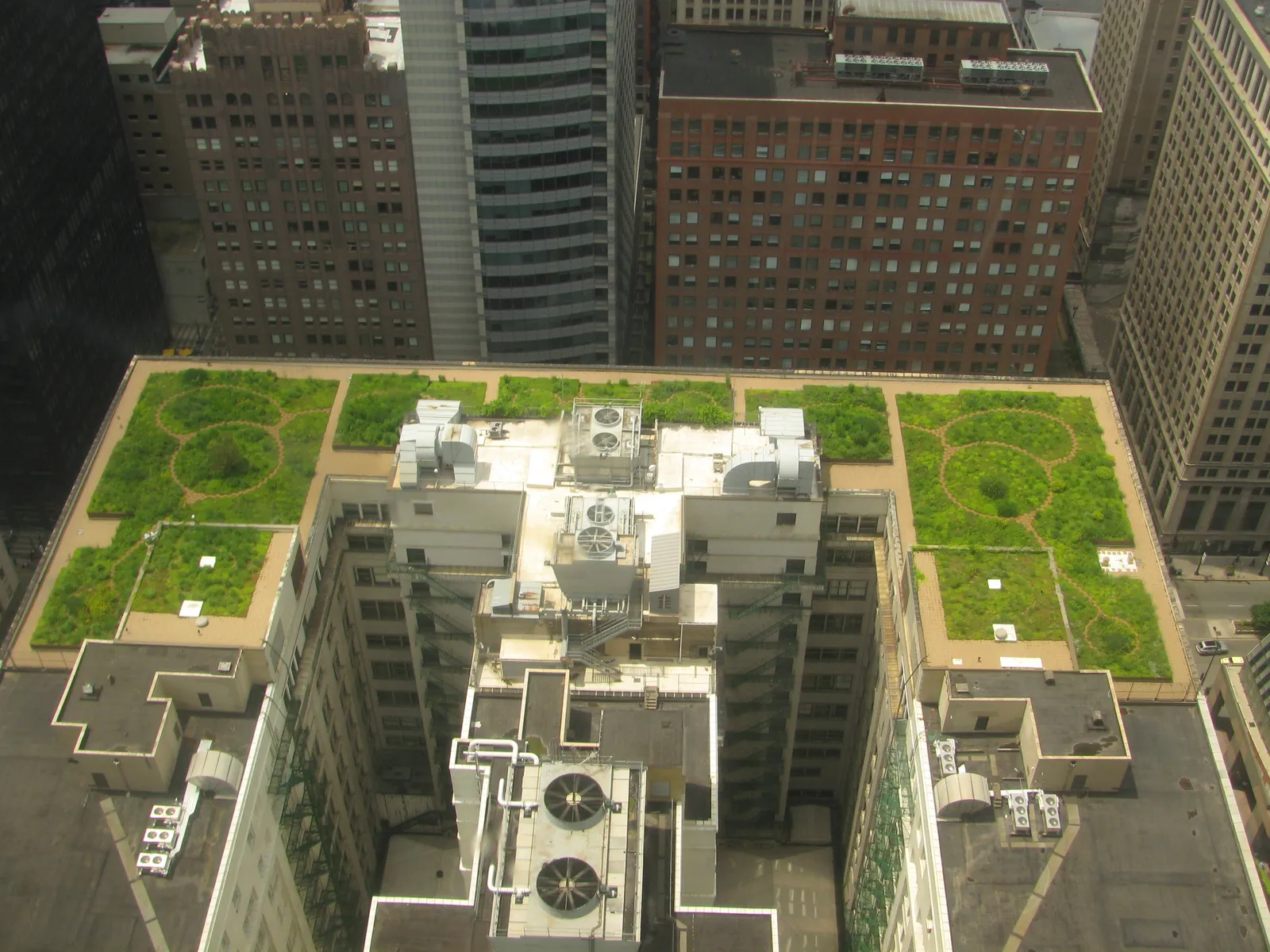
The interventions, researchers say, are well understood and often ancient. Cool roofs — coated white or reflective — can dramatically cut roof surface temperatures and indoor heat, easing air-conditioning demand; reflective pavements lower midday surface temperatures by roughly 10 degrees Fahrenheit versus standard asphalt. Urban tree canopy shades streets and cools the air through evapotranspiration, and linking trees into corridors multiplies the effect. Narrow, breeze-channeling streets, buildings oriented to catch wind, and heavy masonry that releases heat slowly at night are old Mediterranean and Middle Eastern principles that still work, as do fountains and permeable surfaces that cool at street level.
Cities doing it
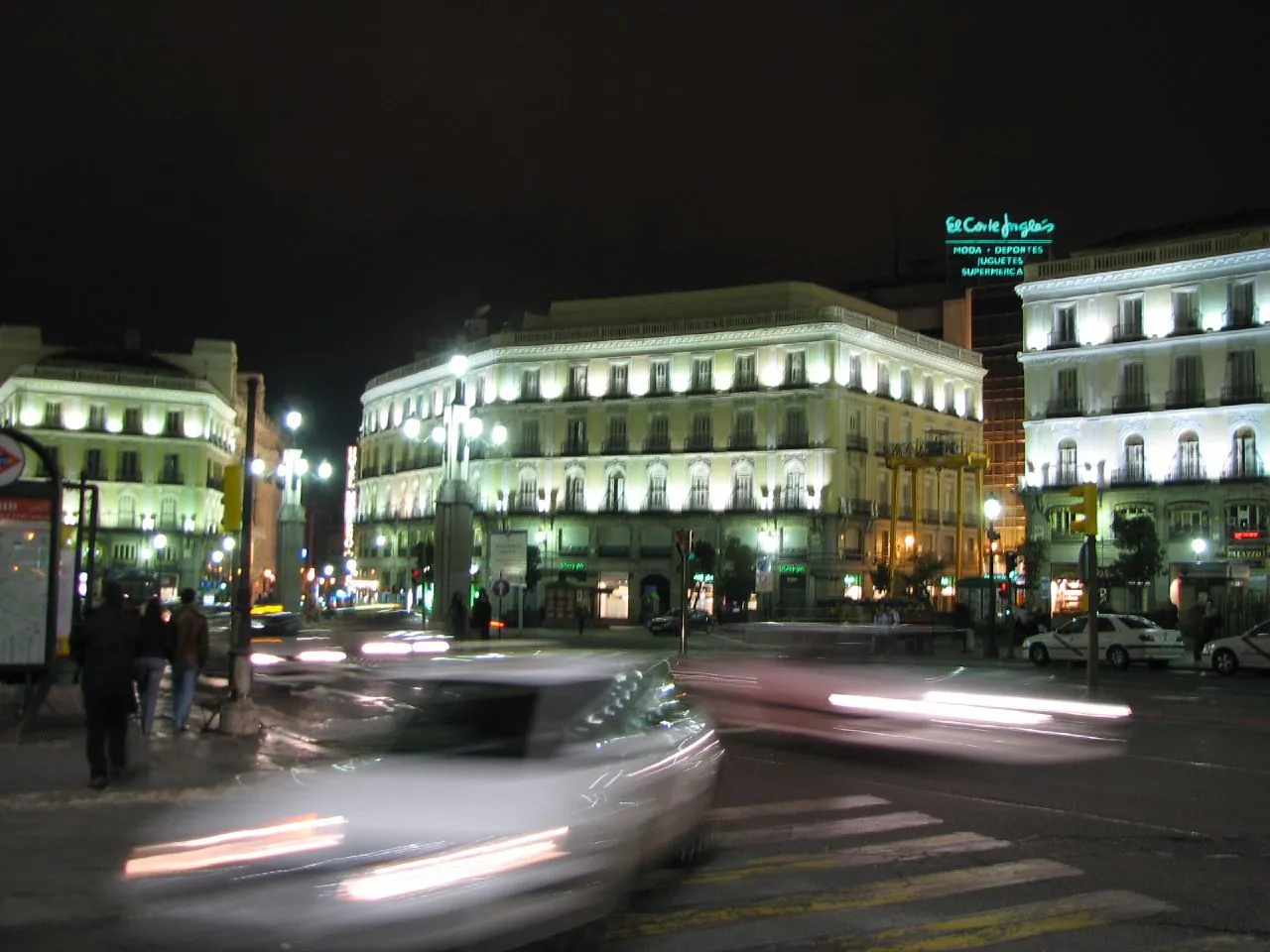
Seville, Spain — long nicknamed the "frying pan of Europe" — in 2022 became the first city to name and rank heat waves, borrowing the hurricane model to trigger health responses, while layering modern shade canopies and light paving onto a millennium-old fabric of narrow streets and courtyards built for heat. Medellín, Colombia, planted hundreds of thousands of trees across 30 interconnected green corridors beginning in 2016; over three years, average temperatures along them fell about 3.5°C. Paris, with one of Europe's lowest tree-canopy shares, has made cooling central to its climate plan — new green space, white roofs, and a goal that every resident live within a short walk of a designated "cool island." Singapore has spent decades becoming a "city in a garden," weaving vegetation into facades and rooftops while preserving wind corridors between towers.
What Los Angeles is doing
Los Angeles, whose hottest neighborhoods cluster in lower-income communities of color, has rolled out a Cool Neighborhoods program targeting cool pavement and thousands of new trees across its hottest residential corridors, with goals to narrow the urban-rural temperature gap and expand canopy in the highest-need areas. UCLA's Luskin Center has documented the historic underinvestment in street trees in Black and Latino neighborhoods and is working with the city to redress it.
Design as public health
The reframing — from climate amenity to public-health infrastructure — changes how cities spend. A shaded bus stop or a reflective pedestrian lane, in a warming world, is less a nicety than a piece of safety equipment. The lesson running from Seville to Medellín to Los Angeles is consistent: the built environment is not a passive backdrop to deadly heat. It is an active participant — and, redesigned, an active defense.