


Chanel has acquired Charvet, the Paris shirtmaker widely regarded as the world's oldest, in a deal that underscores how far the secretive luxury house will go to secure the artisan workshops behind its clothes. Neither side disclosed the terms — customary for Chanel, which is privately owned and rarely comments on its finances.
A house nearly two centuries old
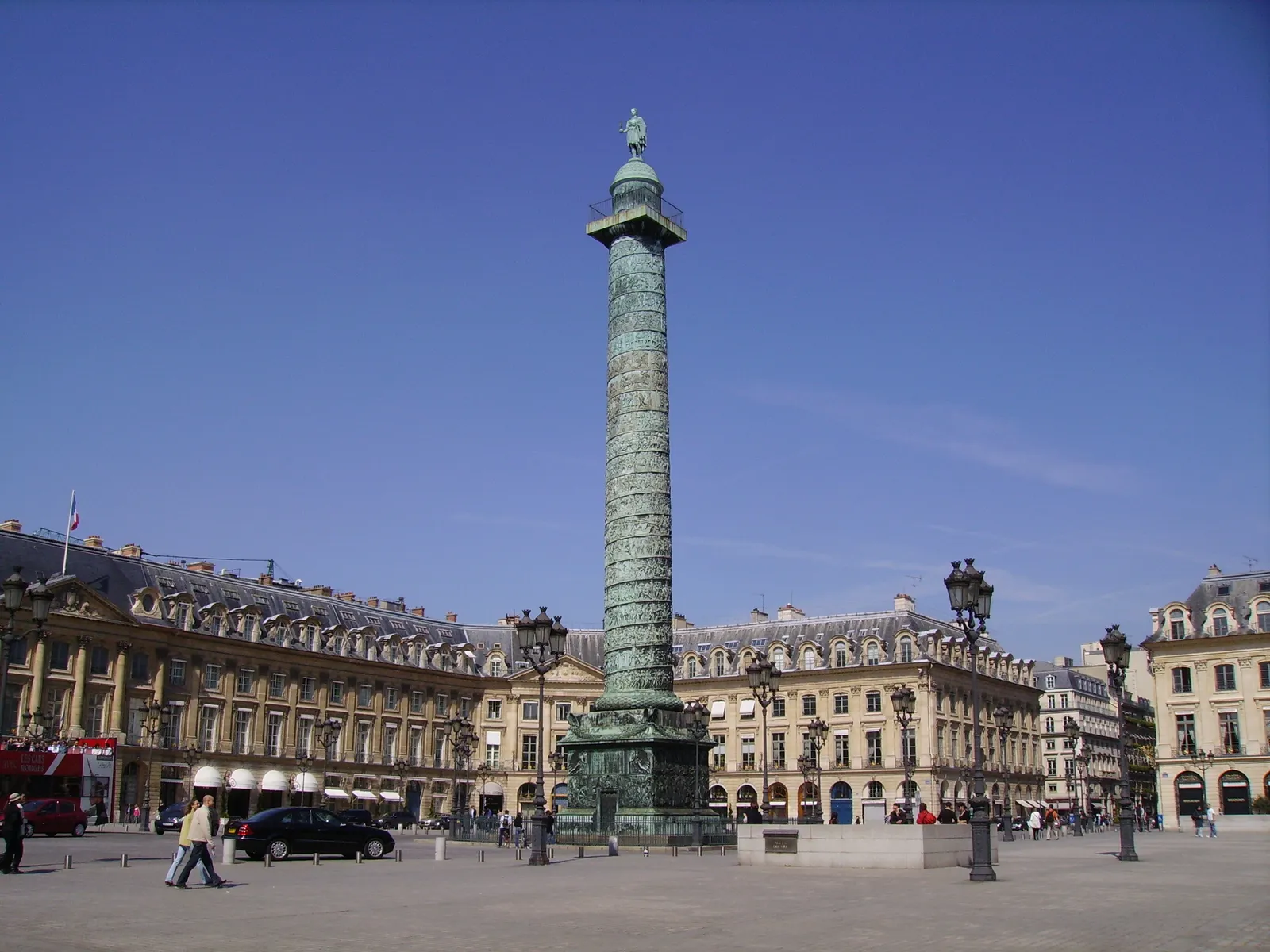
Charvet traces its founding to 1838, when Joseph-Christophe Charvet opened what is often described as the first dedicated shirtmaking house in Paris, according to accounts of the company's history. The firm eventually settled at 28 Place Vendôme, in the heart of the city's luxury district, and built a clientele that over the decades included European royalty and French heads of state. It has remained a family business since 1965, when Denis Colban bought it; his children, Anne-Marie and Jean-Claude Colban, have run it since.
Like many multigenerational European craft firms, Charvet faced the question of what comes next as its family owners aged — a succession problem that has pushed a number of heritage ateliers into the arms of larger houses.
Why Chanel wanted it
The purchase follows a runway moment: Charvet-made shirts appeared in Chanel's Spring/Summer 2026 collection under the house's creative director, Matthieu Blazy, The Business of Fashion reported. "Charvet is a beautiful jewel," Bruno Pavlovsky, Chanel's president of fashion, told the publication. "Now there's work to be done to set it up for its next steps."
The deal fits a strategy Chanel has pursued since 1997, when it created a subsidiary, Paraffection, to buy and sustain endangered craft houses — from the button-and-jewelry maker Desrues to the embroidery atelier Lesage. As Robb Report has described, Chanel has generally let those workshops keep their independence and continue serving rival brands, treating them as living crafts to be preserved rather than assets to be squeezed.
The advantage of staying private
Chanel's ability to make such moves owes much to its ownership. The house is controlled by the Wertheimer family, whose fortune traces back to Coco Chanel's original backers, as Women's Wear Daily has detailed. Without public shareholders or quarterly earnings pressure, Chanel can invest in heritage and craft on a longer horizon than many listed competitors — a contrast with the publicly traded luxury conglomerates it competes against.
For Charvet, the sale promises resources and stability. The test, as with Chanel's earlier craft acquisitions, will be whether the shirtmaker keeps the independent character that made it worth buying in the first place.