

In the span of a week, two federal judges have halted a sweeping effort to condition mail-ballot delivery on states handing their voter rolls to Washington.
What the administration sought to do
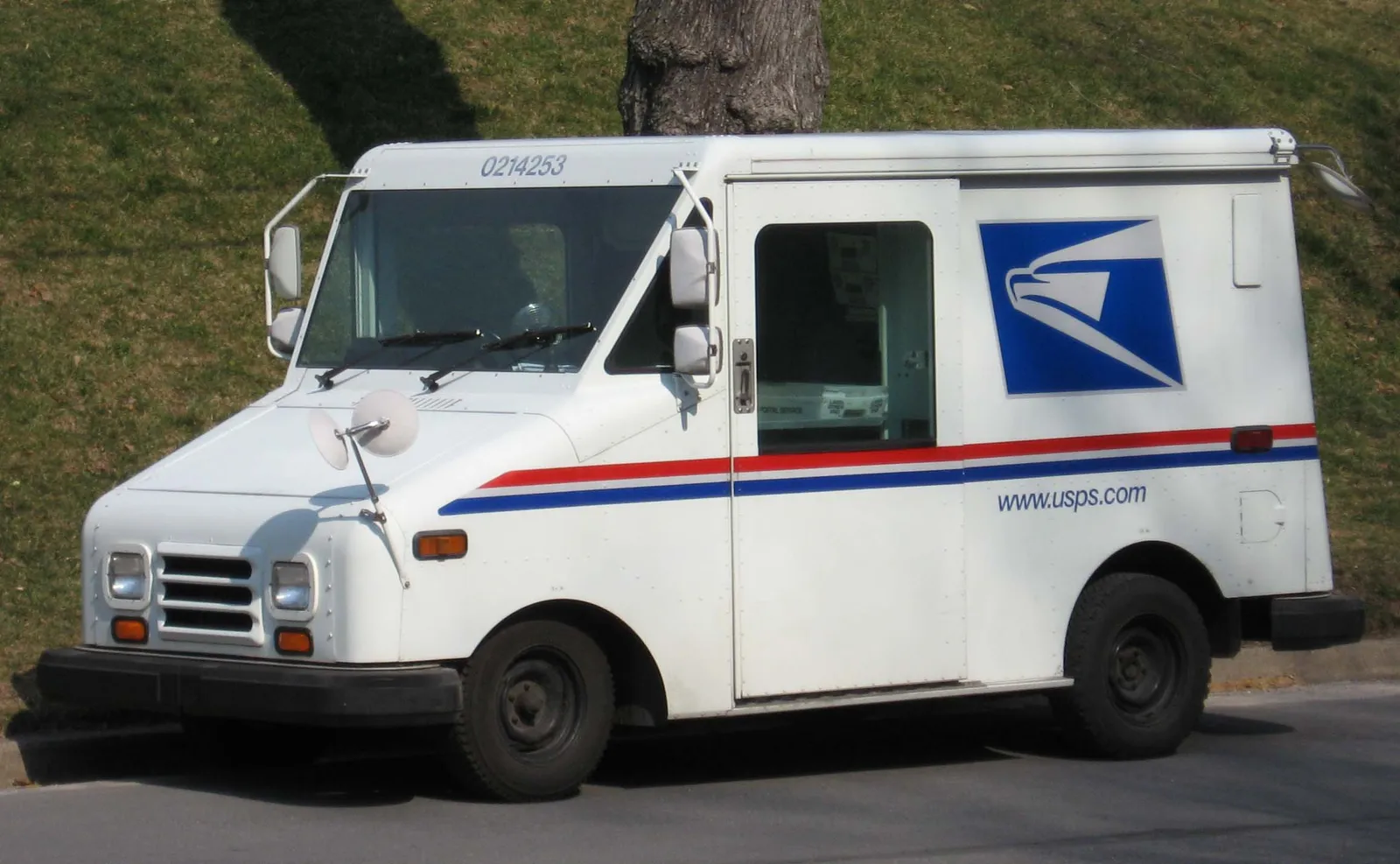
The dispute traces to an executive order President Trump signed in March directing the government to compile a federal list of eligible voters and instructing the Postal Service to deliver mail ballots only to voters on state-submitted rolls — a gatekeeper role USPS has never held. A draft rule published in late May would have required states to send lists of voters requesting mail ballots at least 30 days ahead; states that declined would not receive ballot deliveries, Votebeat reported. At a June 24 Senate hearing, Postmaster General David Steiner confirmed the agency would refuse delivery to a state that would not turn over its list.
The rulings
On June 25, U.S. District Judge Indira Talwani in Massachusetts issued a preliminary injunction for the 23 states and the District of Columbia that had sued, writing that "the Constitution does not grant the President any specific powers over elections" and that USPS "lacks statutory authorization" to regulate mail-in voting, NPR reported.
On July 1, U.S. District Judge Emmet Sullivan in Washington went nationwide, Reuters reported. His ruling rested on a 2021 legal settlement with the NAACP requiring USPS to take extraordinary steps to deliver election mail on time through 2028; he found the proposed rule violated that agreement.
Both sides
The suing states argued the Constitution reserves election authority to the states and Congress, not the president, and Democratic senators called the plan a "back-door" way to force states to share voter data. Supporters of the restrictions counter that tying delivery to voter-roll submissions would strengthen election integrity and reduce the chance ballots reach ineligible recipients. Trump has long asserted, without evidence courts have accepted, that mail voting is prone to fraud.
What's next
The White House said it will appeal. Spokesperson Abigail Jackson said the administration is "confident that we will ultimately prevail." With the midterms set for November 3, the timing matters: millions of voters in non-complying states could otherwise have faced requested ballots that were never delivered. The appeals could reach the circuit courts — and potentially the Supreme Court — before election officials begin processing ballot requests this fall.