The fuel surcharge on your summer flight to Japan is at a record high — and, oddly, it has little to do with what fuel costs today.
The bill
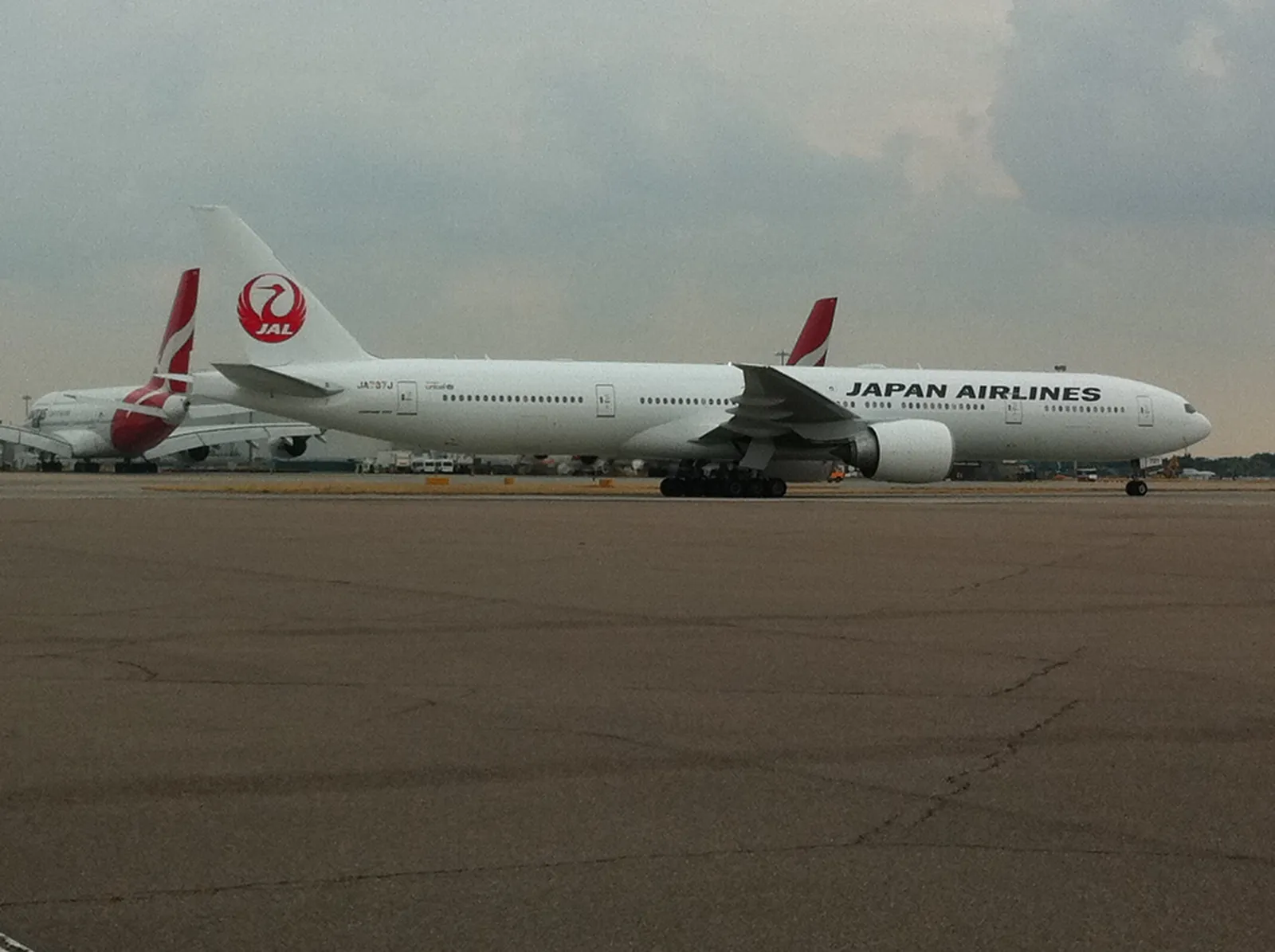
For tickets issued from July 1 through August 31, Japan Airlines and All Nippon Airways are charging ¥65,000 per passenger, each direction, on routes to and from North America and Europe — the highest fuel surcharges either carrier has ever levied, Travel Voice reported. At current exchange rates that's roughly $400 one way, or about $800 round trip on a Los Angeles-Tokyo itinerary — before the base fare, taxes or seat fees.
A formula that looks backward
The paradox — record surcharges while fuel prices ease — comes from how Japan sets the fees. Under rules overseen by the transport ministry, JAL and ANA must calculate surcharges from a two-month average of Singapore kerosene prices (the Asian jet-fuel benchmark) and the yen-dollar exchange rate, according to JAL's filing. Crucially, that reference period ends two months before the charge takes effect, so the summer surcharges reflect the spring — a window when Middle East tensions pushed kerosene prices sharply higher. Falling prices now won't show up until a later cycle.
The yen makes it worse
There's a second factor: the yen. Airlines buy fuel in dollars but manage costs in yen, so a weak yen inflates the domestic cost of the same barrel. With the yen hovering around ¥157 to the dollar in recent reference periods, the formula produced its top surcharge tier. A Japanese government emergency fuel subsidy actually held the summer figure to ¥65,000; without it, the raw formula would have topped ¥70,000, industry trackers noted.
What it means for LA travelers
For anyone flying LAX to Tokyo this summer, the surcharge alone runs about ¥130,000 — roughly $800 — per person round trip. A few things to know: the surcharge is set by the date your ticket is issued, not when you fly, so booking now locks in the summer rate even for a fall trip; award tickets on JAL and ANA (and some partner programs) often carry the surcharge too; and flying a non-Japanese carrier, such as routing through Seoul, may come with a different, sometimes lower, fee structure. The next cycle, in September and October, will be built on June-July data — so if fuel prices and the yen steady, fall travelers could see some relief.