


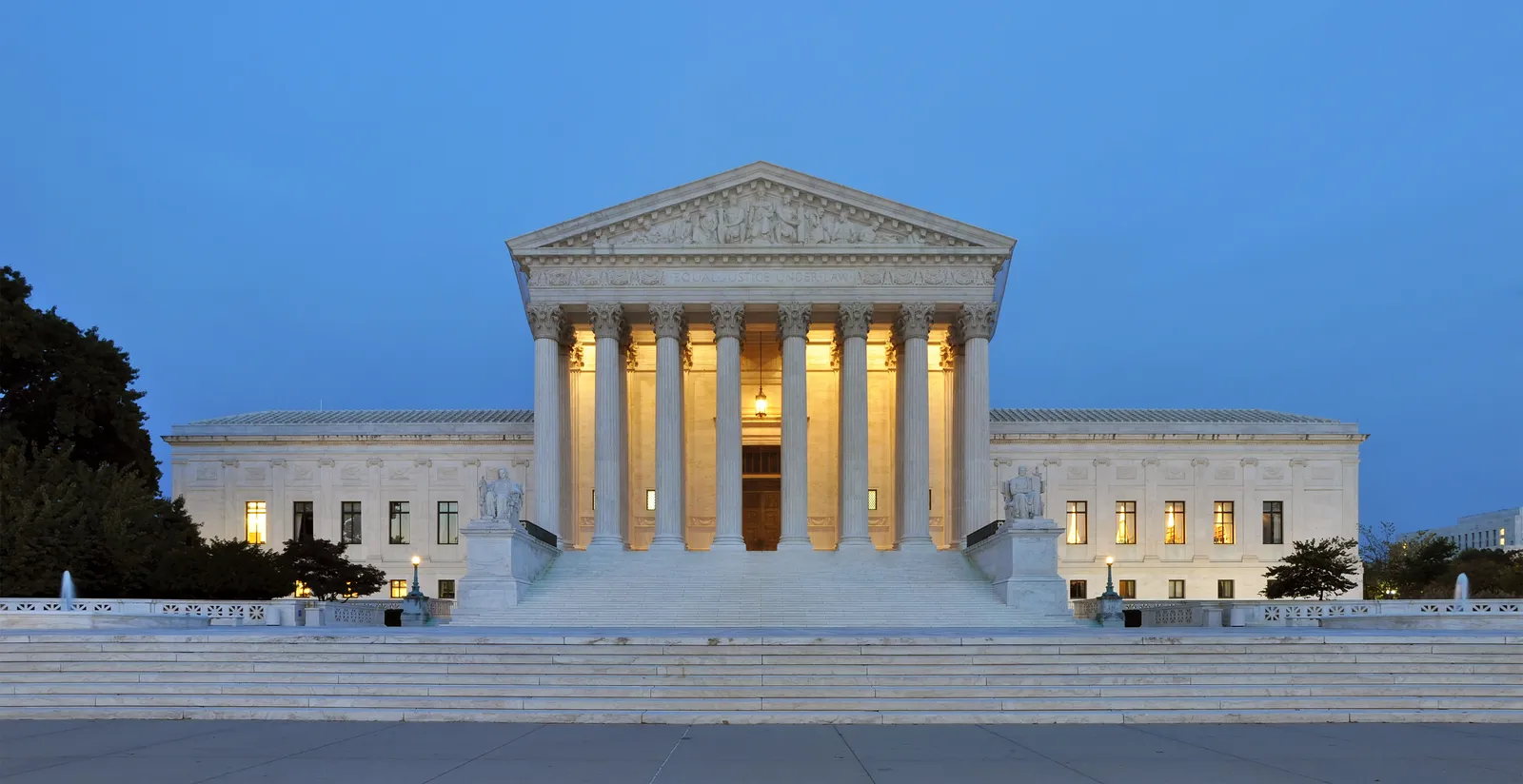
The Supreme Court on Tuesday cleared the way for states to keep transgender girls and women off female sports teams, a decision that resolves years of litigation and reshapes a politically charged debate.
What the Court decided
In a pair of cases, West Virginia v. B.P.J. and Little v. Hecox, decided June 30, the justices were unanimous that Title IX — the federal law barring sex discrimination in education — does not prohibit states from limiting girls' and women's sports to those who are female at birth, SCOTUSblog reported. On the separate constitutional question, the Court split 6 to 3, with its Republican-appointed majority holding that the restrictions do not violate the Equal Protection Clause of the 14th Amendment.
Writing for the majority, Justice Brett Kavanaugh said states "may maintain women's and girls' sports for biological females," citing physical differences between the sexes and concerns about competitive fairness. The majority rejected the idea that athletes who have undergone hormone therapy must be assessed individually, calling that unworkable.
The cases concerned Idaho's Fairness in Women's Sports Act, enacted in 2020, and West Virginia's Save Women's Sports Act of 2022. Federal appeals courts had blocked both laws before the Supreme Court took up the cases. The named plaintiffs were Lindsay Hecox, who had sought to run track at Boise State University, and Becky Pepper-Jackson, a West Virginia teenager.
The dissent
Justice Sonia Sotomayor, joined by Justices Elena Kagan and Ketanji Brown Jackson, dissented from the constitutional ruling. She wrote that the majority "inflicts a hardship on those it disfavors," arguing that unresolved factual questions about whether particular transgender athletes hold a competitive advantage should have been examined before the Court issued a sweeping constitutional holding.
Reaction
LGBTQ legal groups condemned the decision. Joshua Block of the ACLU called it "a heartbreaking ruling for our clients and transgender girls like them who've asked for nothing more than the same opportunities afforded to their peers." Kelley Robinson, president of the Human Rights Campaign, said "no kid — not my kid, not your kid, not any kid — deserves to be discriminated against."
Supporters of the laws, including the Republican officials and conservative legal organizations that had defended them, welcomed the outcome as a vindication of a position they have advanced in statehouses and in Congress for several years. The majority opinion itself embraced their central argument — that preserving a female category in sports is a legitimate state interest.
The political stakes
The ruling lands months before the midterm elections, and its political dimension was immediately apparent. Republicans have made restrictions on transgender participation in girls' sports a prominent campaign theme, pointing to polling that shows public opinion on that specific question tilting their way. Many Democrats, The New York Times reported, have opted not to wage a high-profile fight over the issue, a calculation the paper described as part of a broader debate within the party over which battles to pick. The Herald could not independently confirm the details of that internal Democratic deliberation.
The decision follows the Court's 2025 ruling upholding Tennessee's limits on gender-affirming medical care for minors, extending a line of cases in which the conservative majority has ruled against challenges brought on behalf of transgender people. It leaves the framework Justice Kavanaugh laid out as the governing standard for future disputes over sex, sports and the reach of federal civil rights law.