Some filmmakers spend a career circling the same wound. Carla Simón has built hers out of one.
Completing a trilogy
Simón, the Catalan director whose parents both died of AIDS before she was seven, has returned again and again to that loss. Her 2017 debut, "Summer 1993," followed a newly orphaned girl sent to live with relatives in rural Catalonia; "Alcarràs" won the Golden Bear at the Berlin festival in 2022. Now "Romería," which competed for the Palme d'Or at Cannes in May 2025 and is being released in the U.S. by Janus Films, which acquired it last year, turns to the half of her story she had not told — her father's side.
The film
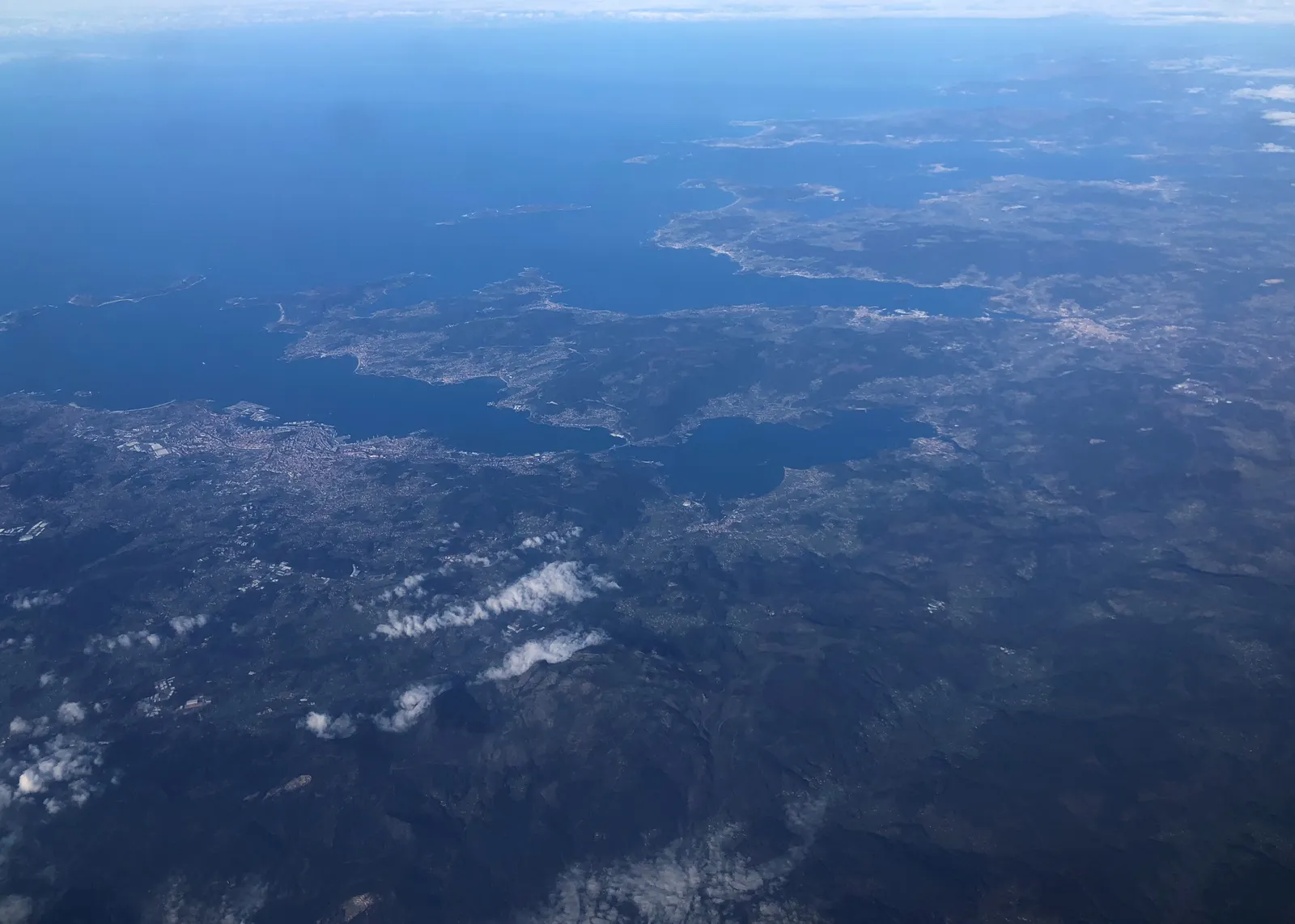
Set in 2004, the film follows Marina (Llúcia Garcia), an 18-year-old aspiring filmmaker who needs documentation of her late father to claim a scholarship. The errand sends her across Spain to Vigo, on Galicia's Atlantic coast, to meet paternal relatives she barely knows and to loosen family secrets that decades of silence have hardened. Her father's AIDS-related death hovers over the household as a wound no one will name directly.
Garcia, who won a Gaudí Award for best new performance, anchors the film with a studied restraint. Writing for The Film Stage from Cannes, critic Rory O'Connor called it "Simón's most personal work yet," a film about "the stories families choose to tell and the ones they bury deep inside." Critics have widely noted one formal departure from Simón's usual naturalism: a dream sequence carrying Marina back to 1983 to witness her parents meet as young people in Vigo, their romance shadowed by what the audience already knows is coming.
A measured reception
Reviews have been largely admiring — the film holds a strong critical consensus, and RogerEbert.com's Glenn Kenny called it "splendid, sometimes languorous, sometimes heartbreaking." Not everyone was swept up: at IONCINEMA, Nicholas Bell was cooler, faulting a "muted observation" that, for him, edged toward monotony, in his review. That tension — between restraint as power and restraint as remove — is the film's central gamble.
A distinctive voice
Born in Barcelona in 1986 and trained in London, Simón favors long observational takes and often works with non-professional actors, a style that asks patience of viewers. "Romería" was shot along the gray Atlantic light of Galicia by cinematographer Hélène Louvart, and its script moves among Spanish, Catalan and Galician, mirroring the fractured map of Marina's identity. The result is a film that does not announce its grief so much as let it accumulate — trusting audiences to feel the weight of what goes unsaid. It is now playing in select U.S. theaters.