

Speaker Mike Johnson's control of the House slipped again this week, when members of his own party sank a routine vote and forced an early start to the holiday recess.
Outmaneuvered on the floor
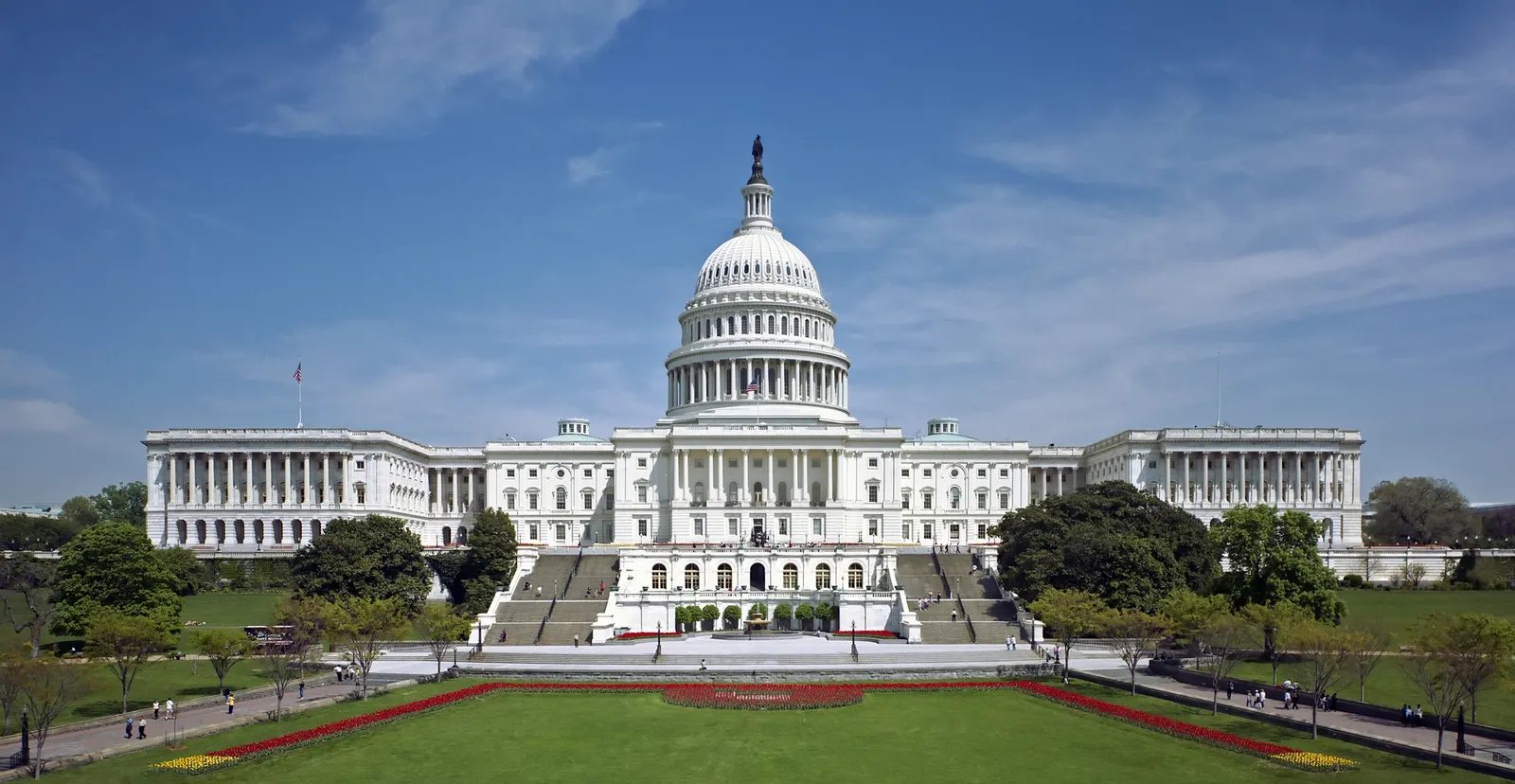
Johnson had planned for the House to take up the fiscal 2027 National Defense Authorization Act, the must-pass Pentagon policy bill, paired with a national-security spending measure. Instead, the procedural rule needed to bring the legislation to the floor failed on June 30 by a vote of 198 to 224, with 14 Republicans joining Democrats to defeat it, The Hill reported. Johnson canceled remaining votes for the week and sent members home ahead of the July Fourth break. "It's frustrating," he told reporters, according to CBS News, "but we'll let them regroup... and we'll do it again when we bring them back."
Three factions, three demands
The revolt came from several directions at once, Roll Call reported. One bloc, led by Rep. Anna Paulina Luna of Florida, was pressing to attach the SAVE America Act — which would require proof of citizenship to register to vote — to the defense bill, and objected to the mechanism Johnson used to try to accommodate her. A second group, around Rep. Chip Roy of Texas, wanted a promised vote on a border-security package that was not on the schedule. A third, including Reps. Mike Turner of Ohio and Victoria Spartz of Indiana, was holding out over a pension dispute left out of the package. Among other Republicans voting no were Freedom Caucus chairman Andy Harris of Maryland, Thomas Massie of Kentucky and Lauren Boebert of Colorado; Majority Leader Steve Scalise also voted no, a procedural step that lets leaders revive the bill later.
A majority with no margin
The math leaves Johnson little room. Republicans hold 218 seats to Democrats' 214 — an effective one-vote majority that narrowed in February when a Democrat, Christian Menefee of Texas, was seated after a special election, according to Fox News. On a party-line vote, more than one defection is enough to fail. By Punchbowl News's count, Johnson has now lost nine rule votes as speaker, a striking figure against a narrow majority.
What's at stake
The collapse carries real costs. With the defense bill stalled, appropriations behind schedule and only a handful of legislative days before the August recess, leaders face a crowded and contentious summer. The SAVE Act at the center of the standoff, meanwhile, faces long odds in the Senate, where it lacks the votes to overcome a filibuster; Johnson argued the real obstacle lay across the Capitol. The House is due back July 13, and the speaker said he would spend the recess trying to bring the holdouts around — though the factions' competing demands leave it unclear what single answer could satisfy them all.