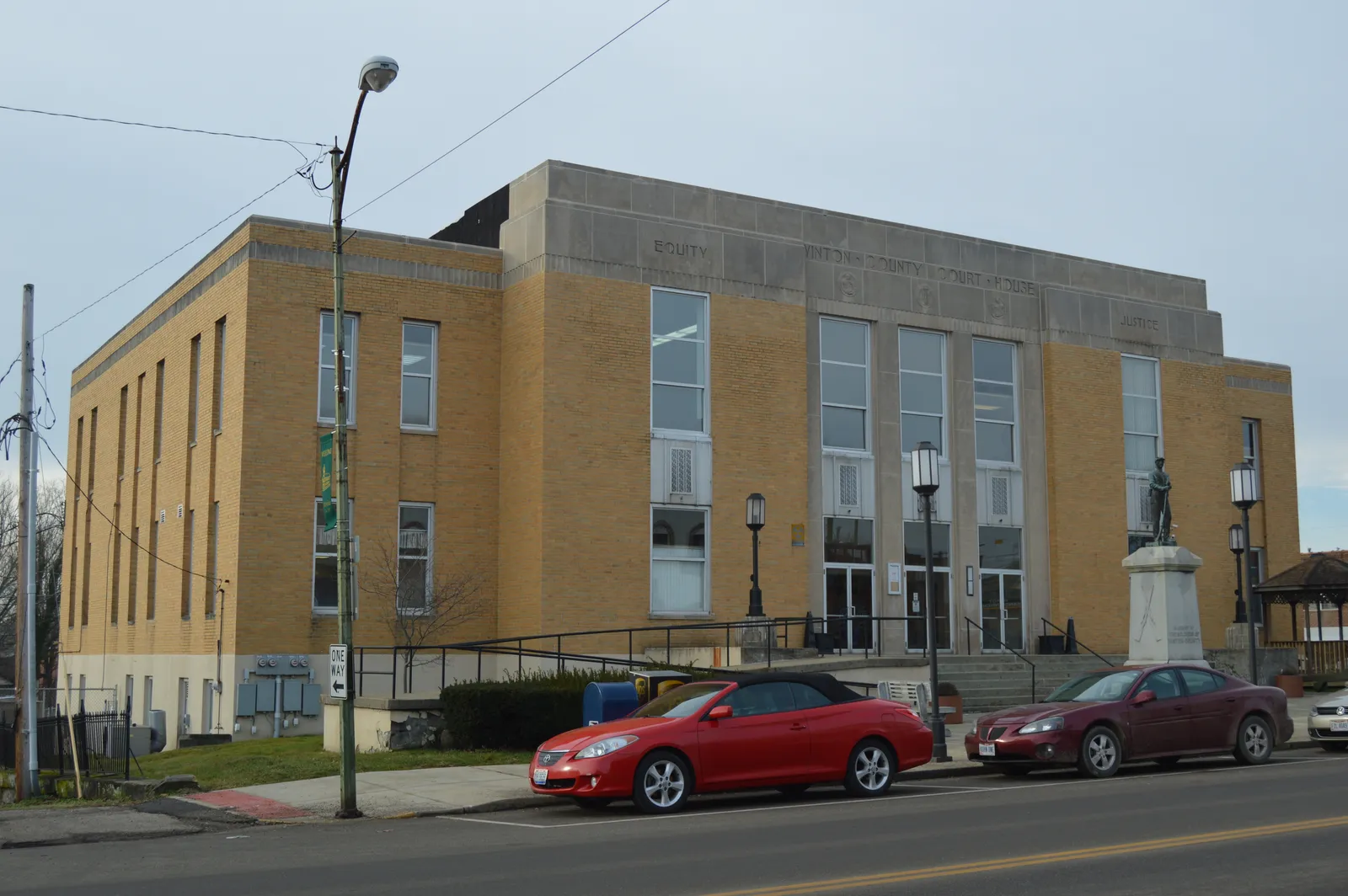


The federal prison system is shrinking its footprint — and one of the buildings on the list sits on the edge of the Port of Los Angeles.
A sweeping consolidation
The Bureau of Prisons will close or deactivate more than a dozen facilities across at least eight states, transferring roughly 4,000 inmates and reassigning hundreds of staff, Forbes reported. Director William K. Marshall III has pointed to three overlapping pressures: deteriorating infrastructure that would cost billions to fix, a persistent staffing shortage, and budgets that have not kept pace. The federal inmate population has fallen nearly 30 percent from its 2013 peak, to about 154,000, which officials say makes consolidation feasible. Affected low-security prisons and camps span Texas, Virginia, Kentucky, California and other states.
The LA facility
The closure with the clearest local resonance is FCI Terminal Island, a nearly century-old prison on San Pedro Bay. The BOP announced last year that it would shut the facility after inspectors found falling concrete in underground steam tunnels and an engineering review flagged more than $110 million in repairs, CBS Los Angeles reported. "We are not going to wait for a crisis," Marshall said. The prison holds roughly 1,000 inmates; the bureau said transfers would try to keep people near their release areas, though families who visit in Los Angeles worry about the distance.
The union pushes back
The closures have collided with a labor fight. The American Federation of Government Employees council that represents federal correctional officers called the moves "sudden and devastating" and filed an unfair-labor-practice charge, arguing the bureau failed to bargain before announcing camp deactivations. The dispute is layered atop the BOP's separate 2025 move to cancel its union contract, which the union is challenging in court, Government Executive reported. Officers at stand-alone prisons in remote areas face reassignment far from home or the loss of a job.
The stakes
Congress has appropriated $5 billion through 2029 for hiring and repairs, but the bureau acknowledges that falls short of systemwide needs, and it is planning a new prison in Kentucky — a sign that consolidation means redistribution, not contraction. Criminal-justice researchers are split: some accept that a shrinking population justifies closures, while advocates warn that moving people farther from family can weaken the ties research links to lower recidivism. For now, the bureau has not set firm closure dates for every site, leaving thousands of incarcerated people and their families waiting to learn where they will land.