

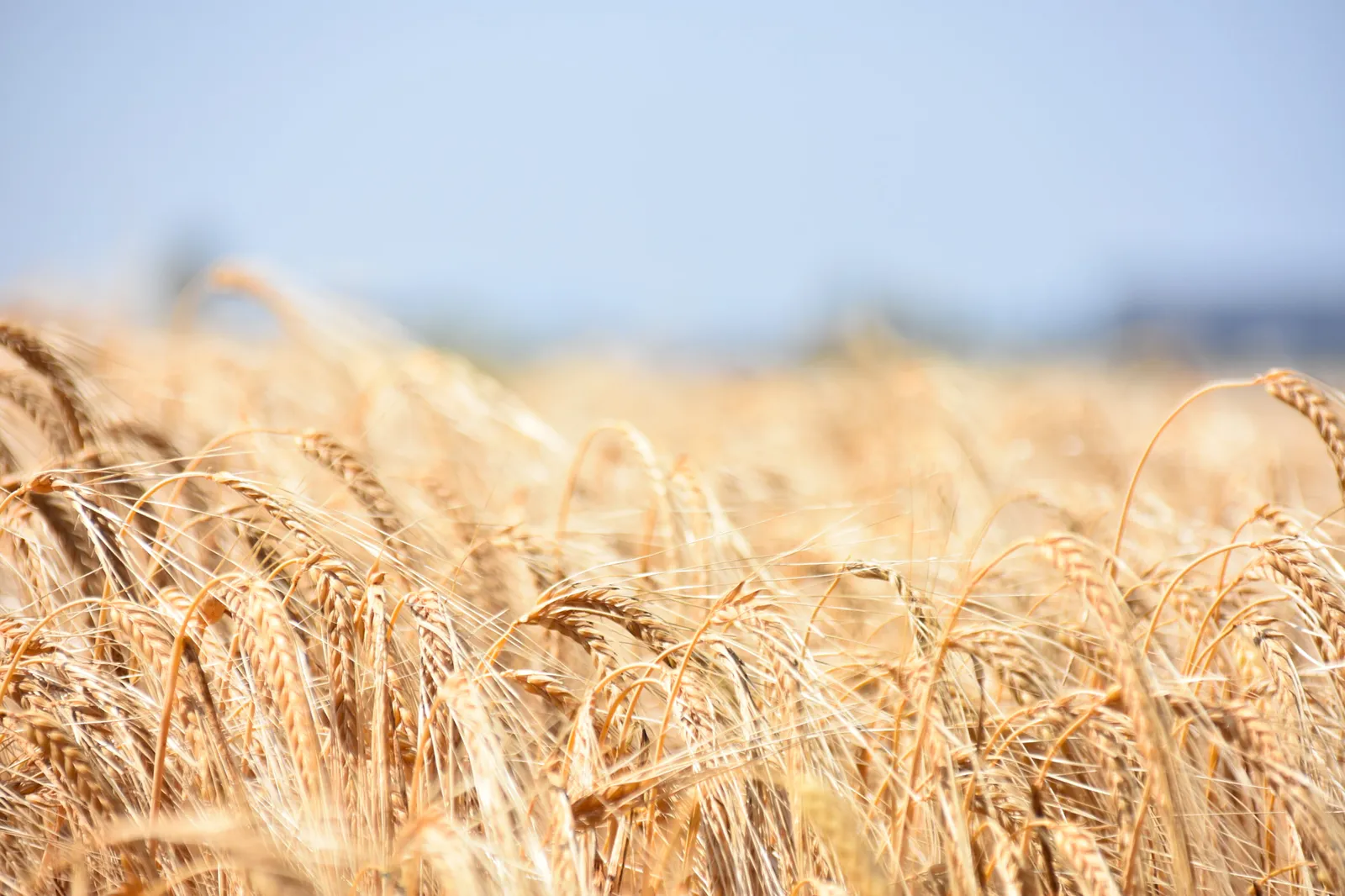
The fields went golden too fast this year — not with ripeness, but with scorch.
A record-breaking scorcher
France recorded 44.3°C (about 112°F) in the southwestern town of Pissos on June 23 — its highest reading since national records began, the national weather service Météo-France said, as NPR reported. Roughly half the country's departments were placed under the most severe "red" heat alert that day. The heat was part of a broader wave that gripped western Europe through late June, setting records in several countries. Researchers with the World Weather Attribution network concluded that heat of this intensity in June would have been virtually impossible without human-caused climate change.
Fields and vineyards in distress
The timing was cruel for farmers: the extreme heat struck while wheat was still filling its grain and other crops were at delicate stages. France's main farm union described the wheat situation as "problematic," The Local reported, with yields on some farms falling sharply; growers shifted cereal cutting to the cool of night to reduce fire risk. In southern wine regions, temperatures above 45°C scorched grapes on the vine, and some growers called the damage the worst in decades, with harvests in places expected weeks early. Livestock suffered too: farmers reported heavy poultry losses to the heat and a drop in dairy cows' milk output.
Shoppers will pay
The losses are beginning to show up in prices. Reduced harvests of wheat, vegetables, dairy and wine work their way through supply chains over weeks and months, and analysts warn of higher grocery bills ahead; some northern European vegetable prices have already risen as supply tightened. As a benchmark, the deadly 2003 European heatwave cut France's cereal output by more than a fifth that year, The National noted — though the full toll of this year's heat is still being tallied.
A deadly, continent-wide event
Beyond the fields, the heat exacted a human cost. Researchers and health authorities estimate the wave killed well over a thousand people across Europe, a large share of them in France and most of them elderly, according to early excess-mortality figures cited by The National. Infrastructure strained in the heat — roads buckled in parts of Germany, and France took two nuclear reactors offline to avoid overheating the rivers used to cool them. Météo-France has warned that another bout of extreme heat could arrive in early July, leaving little time for crops, livestock or people to recover.