

A courtroom defeat has become a rallying cry, accelerating one of the most contested fights in American election law.
The ruling
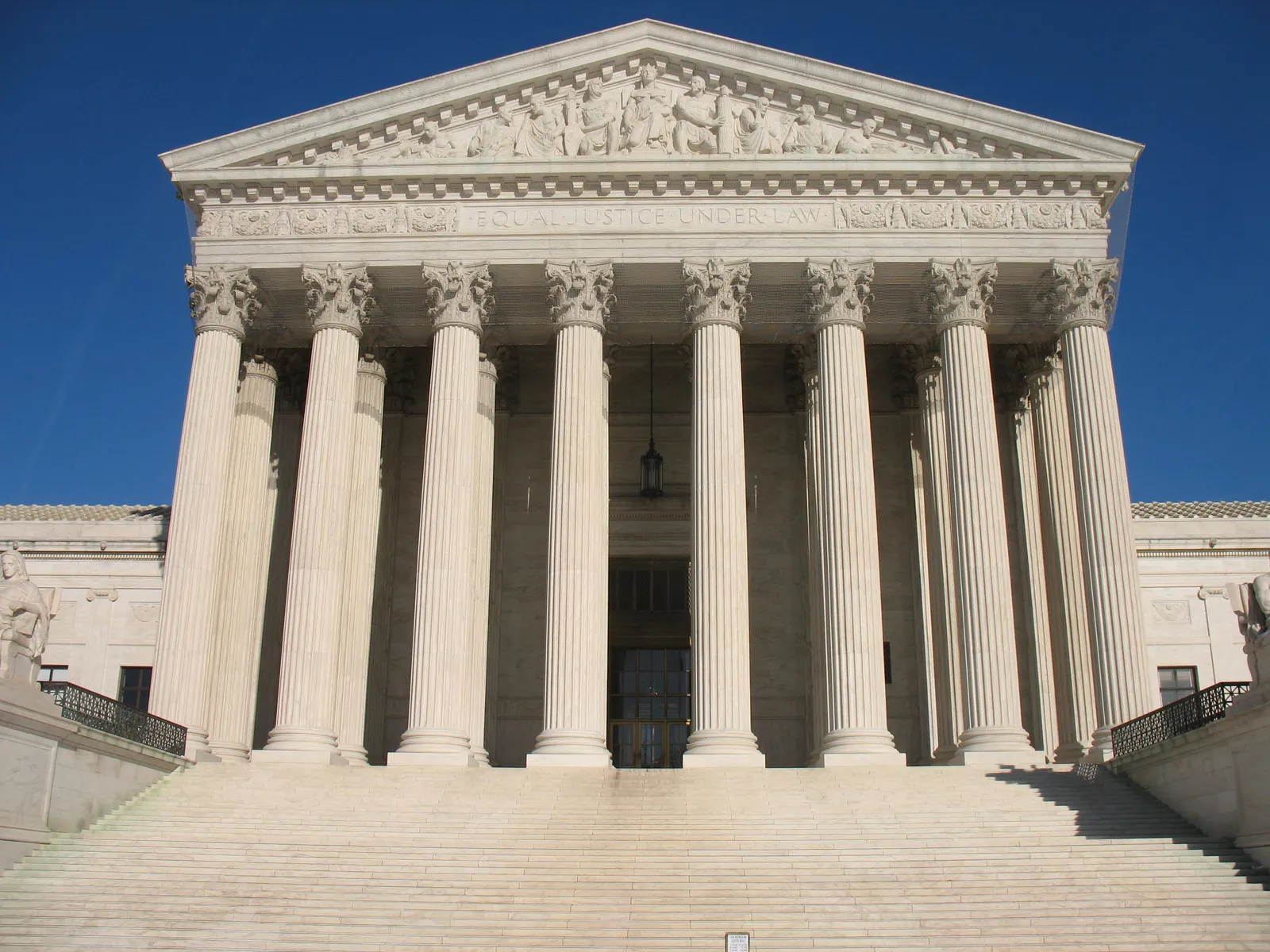
In a 5-4 decision on June 29, the Supreme Court upheld a Mississippi law allowing mail ballots postmarked by Election Day to be counted if they arrive up to five days later, Votebeat reported. Justice Amy Coney Barrett wrote the majority, joined by Chief Justice John Roberts and the Court's three liberals, finding the grace period did not conflict with the federal Election Day statute. For Republicans who have long pressed to tighten mail voting, it was a setback — and an opening.
A rallying cry for the SAVE Act
President Trump called the ruling a "tremendous loss" and seized on it to demand passage of the Safeguard American Voter Eligibility, or SAVE, Act, naming several Republican senators he wants to fall in line, The Hill reported. The Republican National Committee echoed him, calling the decision reason to pass the bill now. The SAVE Act, which the House approved largely along party lines this year, would require documentary proof of citizenship — such as a passport or birth certificate — to register to vote in federal elections, add photo-ID requirements and direct states to check their rolls against a federal database.
Johnson's tightrope
The bill has stalled in the Senate, where it lacks the 60 votes to overcome a Democratic filibuster, and that bottleneck has inflamed House conservatives. Speaker Johnson has tried to force the issue with a procedural maneuver that would package the SAVE Act together with the must-pass annual defense bill and send them jointly to the Senate. But the plan has drawn fire from the very hard-liners it was meant to satisfy — among them Rep. Anna Paulina Luna, who argues the Senate could simply strip the voting measure back out, and who wants it written directly into the defense bill's text instead.
A second court signal, and the critics
The same day, the Court agreed to hear a separate case from Arizona on whether states may require documentary proof of citizenship on voter-registration forms — a dispute that could, in 2027, validate the core idea behind the SAVE Act, though too late to affect the 2026 midterms. Critics see the legislation very differently. The Brennan Center for Justice and other voting-rights groups argue the documentation requirements would disenfranchise millions of eligible citizens — disproportionately older, low-income and minority voters — who do not have the specified papers on hand, and warn that using the defense bill as a vehicle for contested election rules is an abuse of process. With the Senate unlikely to take up the measure before November, the fight is increasingly about motivating each party's voters as much as changing the law.