

A dispute between two of the most consequential figures in American health policy comes down to a simple, unresolved question: did Robert F. Kennedy Jr. keep his word?
The dispute
Kennedy says the accusation that he broke his confirmation promises is "not true," The Hill reported. He told reporters he had met with Sen. Bill Cassidy roughly a month ago and walked him through each commitment: "I went through every promise that I made to them and I've kept them all." Cassidy (R-La.), a physician who chairs the Senate health committee, says otherwise. "If you build public health upon a foundation of lies, then you're going to have the absence of adequate public health," he said on CBS's Face the Nation.
What Cassidy says was promised
Cassidy cast a decisive vote in Kennedy's narrow 52-48 confirmation in February 2025, saying afterward that he had extracted specific assurances. By his account, reported by KFF Health News, Kennedy pledged to maintain the recommendations of the CDC's Advisory Committee on Immunization Practices "without changes," not to cut funding Congress had appropriated for vaccination, and to leave in place the CDC's longstanding statement that vaccines do not cause autism.
What has happened since
Cassidy argues the record runs against all three. In June 2025, Kennedy removed all 17 members of the ACIP — the panel that sets childhood immunization guidance — and replaced them with new appointees, some known for vaccine skepticism; the reconstituted panel later narrowed the childhood vaccine schedule, restricting several shots to high-risk children. The CDC rescinded billions in pandemic-era vaccination grants, a move a federal judge later ordered reversed, and Kennedy's department canceled hundreds of millions in mRNA vaccine research. The CDC's website was also revised to cast doubt on the scientific consensus that vaccines do not cause autism. Public-health researchers note the vaccines dropped from the universal schedule are estimated to prevent thousands of deaths and millions of illnesses a year.
Kennedy's defense
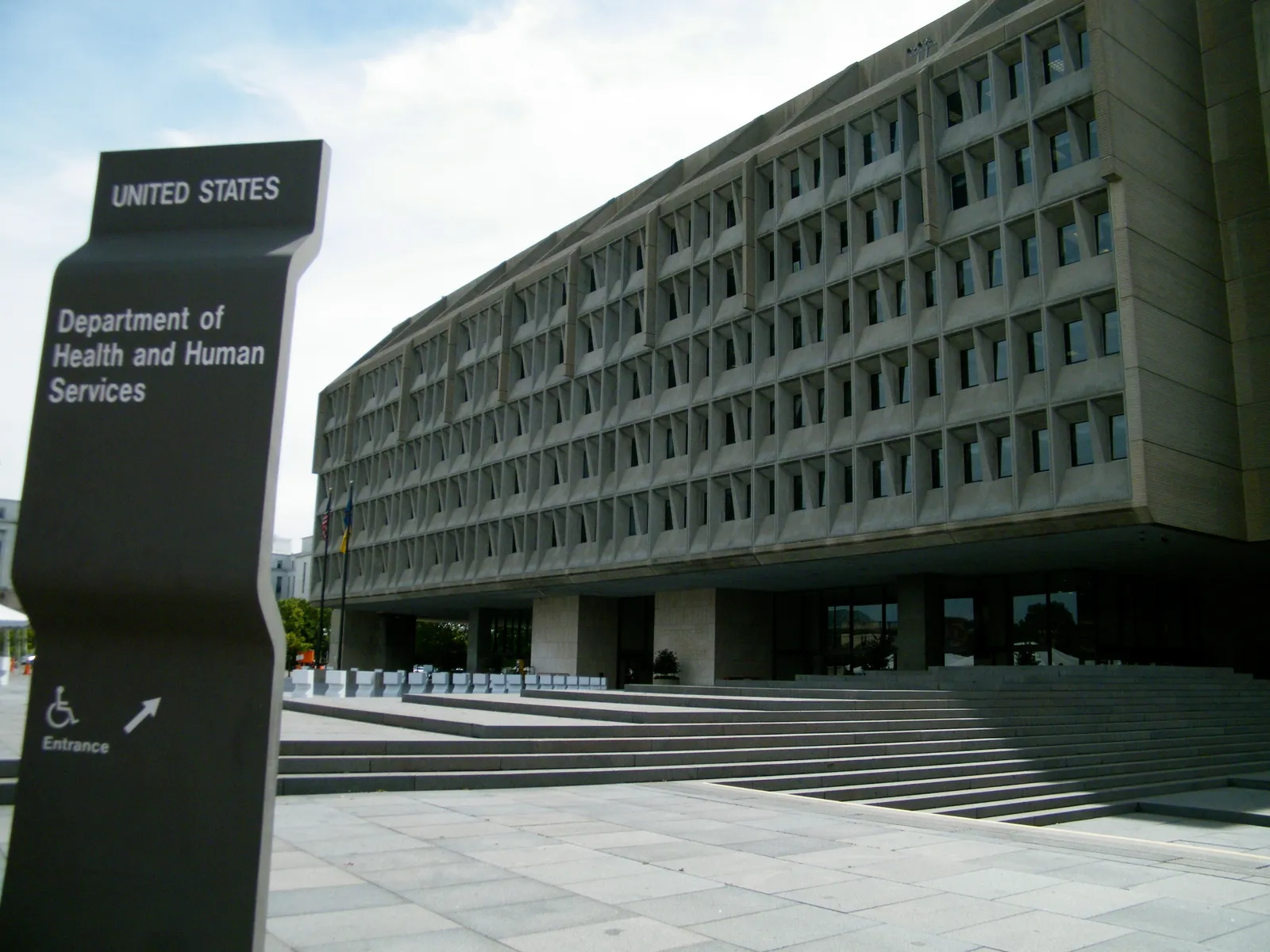
Kennedy has not disputed taking those actions; he argues they are consistent with, not contrary to, his promises, which he frames as a mandate to restore public confidence in vaccine science. His department cast the ACIP overhaul as a transparency measure, citing alleged conflicts of interest on the old panel, and Kennedy has long contended the science around vaccines and autism has not been adequately investigated — a position most mainstream scientists reject.
Why it matters
The stakes reach far beyond a personal feud. ACIP recommendations shape what insurers cover and what states and schools require, so changes ripple through the entire vaccination system. Cassidy, among the few Senate Republicans willing to criticize Kennedy publicly, says the secretary "has not restored trust in public health." Kennedy shows no sign of changing course — leaving the courts and congressional oversight to test whose account holds.