A stalled voting bill, a must-pass defense bill, and a Speaker short on options have collided into one of the session's riskier maneuvers.
The gambit
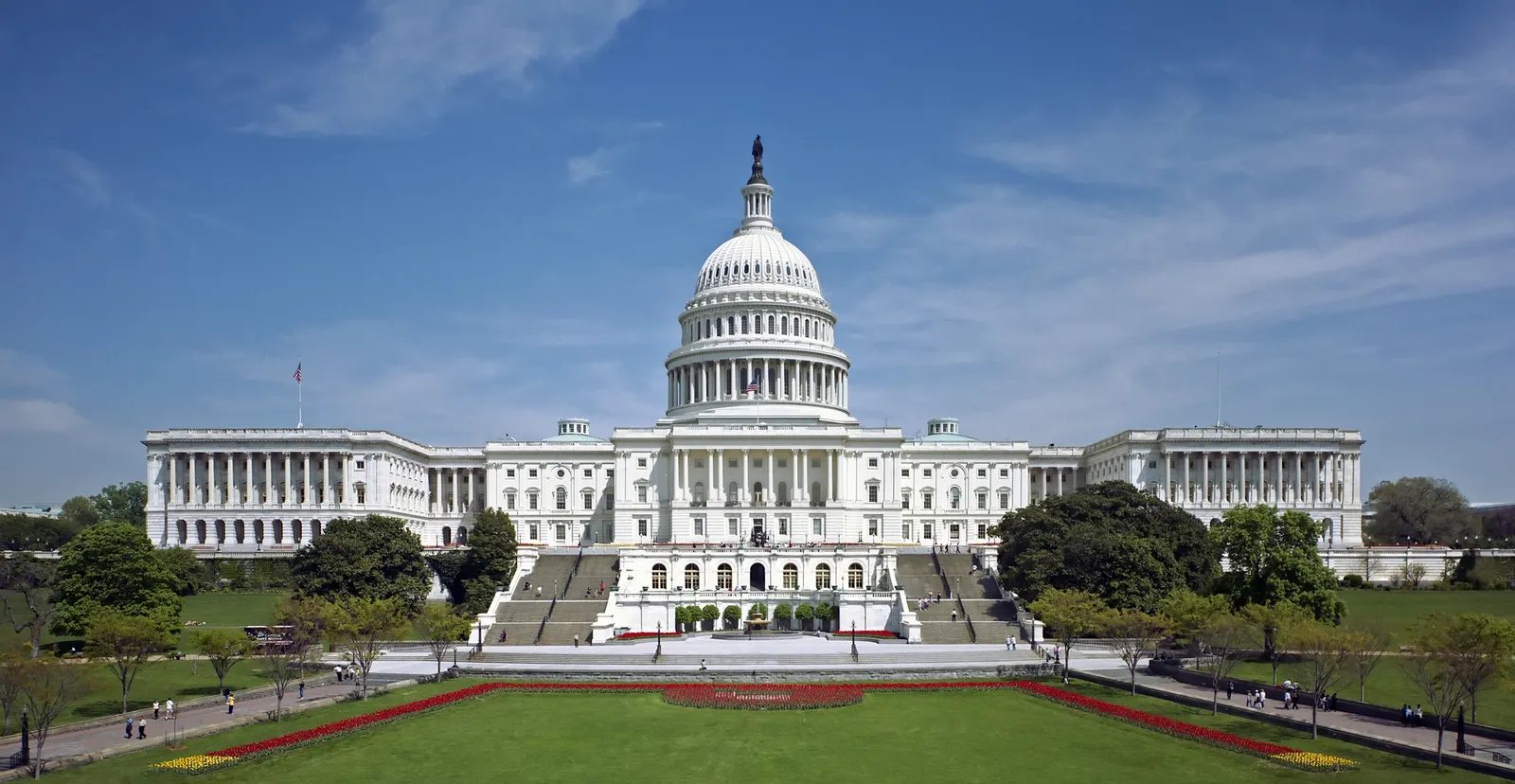
Speaker Mike Johnson (R-La.) said Monday he would try to break a weeks-long impasse over the Safeguard American Voter Eligibility Act — the SAVE America Act — by packaging it with the National Defense Authorization Act, the sweeping annual bill that funds the military and has cleared Congress every year for decades, The Hill reported. The bet is blunt: senators are unlikely to sink military funding to kill a voting measure. "The only way to get this done is to force the Senate's hand," Johnson told reporters.
What the SAVE Act would do
The bill would require anyone registering to vote in a federal election to show documentary proof of U.S. citizenship in person — typically a passport or birth certificate — and would mandate photo ID at the polls, the Campaign Legal Center notes. Current law lets applicants attest to citizenship under penalty of perjury rather than produce documents. The House has passed the measure several times, most recently in February, but it has repeatedly stalled in the Senate, where Democrats have filibustered and Republicans lack the 60 votes for cloture.
Two sides of a contested bill
Supporters, including President Trump, argue that without a documentary check the ban on noncitizen voting is unenforceable; Trump called the bill "more important than ever" after a recent Supreme Court ruling on mail ballots. Critics counter that noncitizen voting is exceptionally rare and the remedy too broad: the Brennan Center for Justice estimates more than 21 million Americans lack ready access to the required documents, with people of color, older and younger voters, and married women who changed their names disproportionately affected, and it would curtail mail and online registration. Senate Democrats have denounced it in stark terms.
A revolt over tactics
Even some of the bill's strongest backers balked at the method. Rep. Anna Paulina Luna (R-Fla.), who had demanded the SAVE Act be tied to the defense bill, objected that Johnson's "MIRVing" approach — bundling separately passed bills into one package for the Senate — would still let senators strip the voting provisions out. The only enforceable path, she argued, is to write the SAVE Act directly into the NDAA's text. Critics of that strategy note the defense bill has long been kept clear of unrelated policy riders precisely to protect its bipartisan support.
A harder road ahead
The arithmetic is daunting: however it arrives, legislation in the Senate still faces a 60-vote threshold, and Republicans remain split over whether to change the rules to get there. The gambit also lands a day after the Supreme Court agreed to hear a major Arizona case on nearly identical questions — whether states may require documentary proof of citizenship to register — meaning the justices could resolve the underlying legal fight before Congress does.