The phrase "mobile home" does a lot of unearned work. The homes are not, in any practical sense, mobile. Moving one costs thousands of dollars, assumes the structure survives the trip, and requires somewhere to put it, which in a valley with almost no vacancies is the part that usually fails.
That immobility is the whole economic story of what has been happening in Bozeman, Montana.
The strike
Tenants at two parks, Mountain Meadows and King Arthur Park, stopped paying rent this spring. By the twelfth day the withheld rent came to nearly $53,000, according to the organizing group Bozeman Tenants United, with more than half the residents at both parks taking part.
The trigger was an 11 percent increase in lot rent, imposed shortly before the properties changed hands and roughly eight months after the previous large increase. Residents said it arrived without explanation.
Lot rent is the mechanism that makes these communities work and makes them vulnerable. Residents typically own the home and rent the ground beneath it. When the ground rent rises, there is no straightforward way to shop around, because taking the asset with you is the thing you cannot easily do.
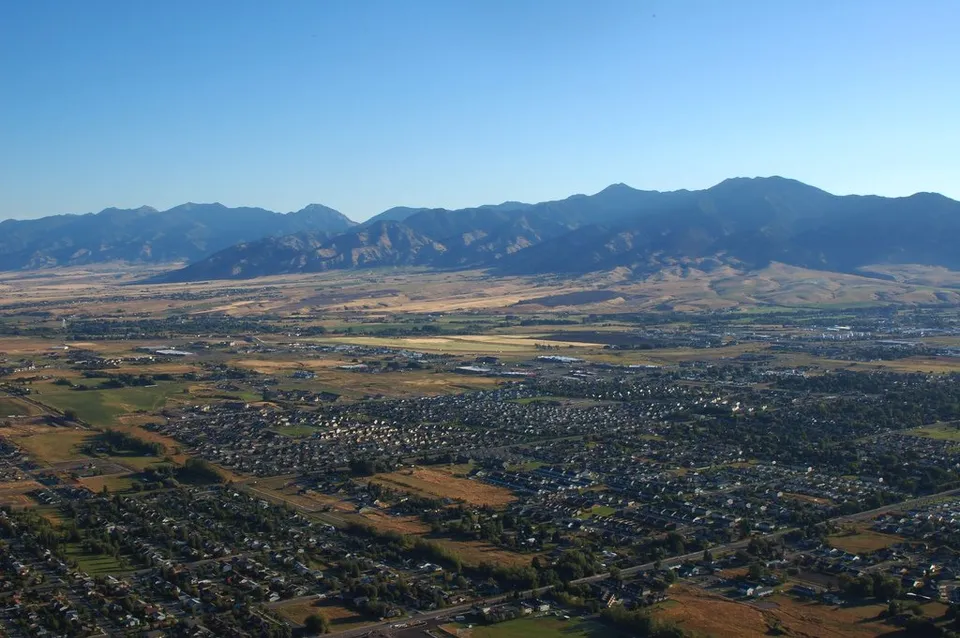
Between them the two parks hold 338 sites, roughly a third of the valley's mobile home park supply.
Who is buying
The Bozeman dispute is one instance of a pattern documented across the state. Reporting by the Bozeman Daily Chronicle has traced out-of-state investor purchases of mobile home courts across Montana, and analysis published in The Conversation has found dozens of Montana communities, covering thousands of homes, now under private equity ownership.
The investment logic is not mysterious and does not require bad intent to work. A park with below-market lot rents and tenants who cannot practically leave is, to a buyer, an asset with room to raise prices. That is a description of the incentive, not an accusation about any particular owner.
Tenants read it less neutrally. "That's extremely worrying, because we have all seen and heard of what happens when private equity, some secret investor buys out some place and decides they're going to just change everything," resident Benjamin Moore said.
What residents are asking for is to buy the parks themselves and run them as resident-owned communities, which converts the land from an investment into shared infrastructure. It is a real model with a track record, and it depends on an owner willing to sell to tenants rather than to the highest bidder.
The other Bozeman
The contrast that has drawn national attention is the airport. Private aviation at Bozeman has grown alongside the region's transformation into a destination for wealth, with thousands of private flights a year and a terminal expansion to match, as the Bozeman Daily Chronicle has documented.
It would be easy and slightly dishonest to draw a straight line between the two. Nobody flying into Bozeman raised anyone's lot rent. The connection is indirect: arriving wealth bids up land, land values set what a park is worth to an investor, and the investor's math ends up on a tenant's rent notice.
Local officials sit in the middle of a genuine trade-off. The new money funds budgets and creates jobs. It also prices out the people those jobs depend on.
Why an LA paper is running this
Because Angelenos will recognize the mechanism, even at a different scale and with different housing stock.
Los Angeles has its own version: residents who own something less than the ground they occupy, an investor class for whom rising land values are the return, and workers commuting past the neighborhoods they serve because they cannot afford to live in them. California is also, by most accounts, one of the places the money moving into the mountain West comes from, which makes this less a story about somewhere else than it first appears.
The Bozeman tenants are testing whether organizing changes the outcome. That answer will be useful well beyond Montana.