The American air campaign against Iran entered an eighth consecutive night, and the war's center of gravity continued to shift toward the Gulf states that sit between the two combatants.
What was struck in Iran
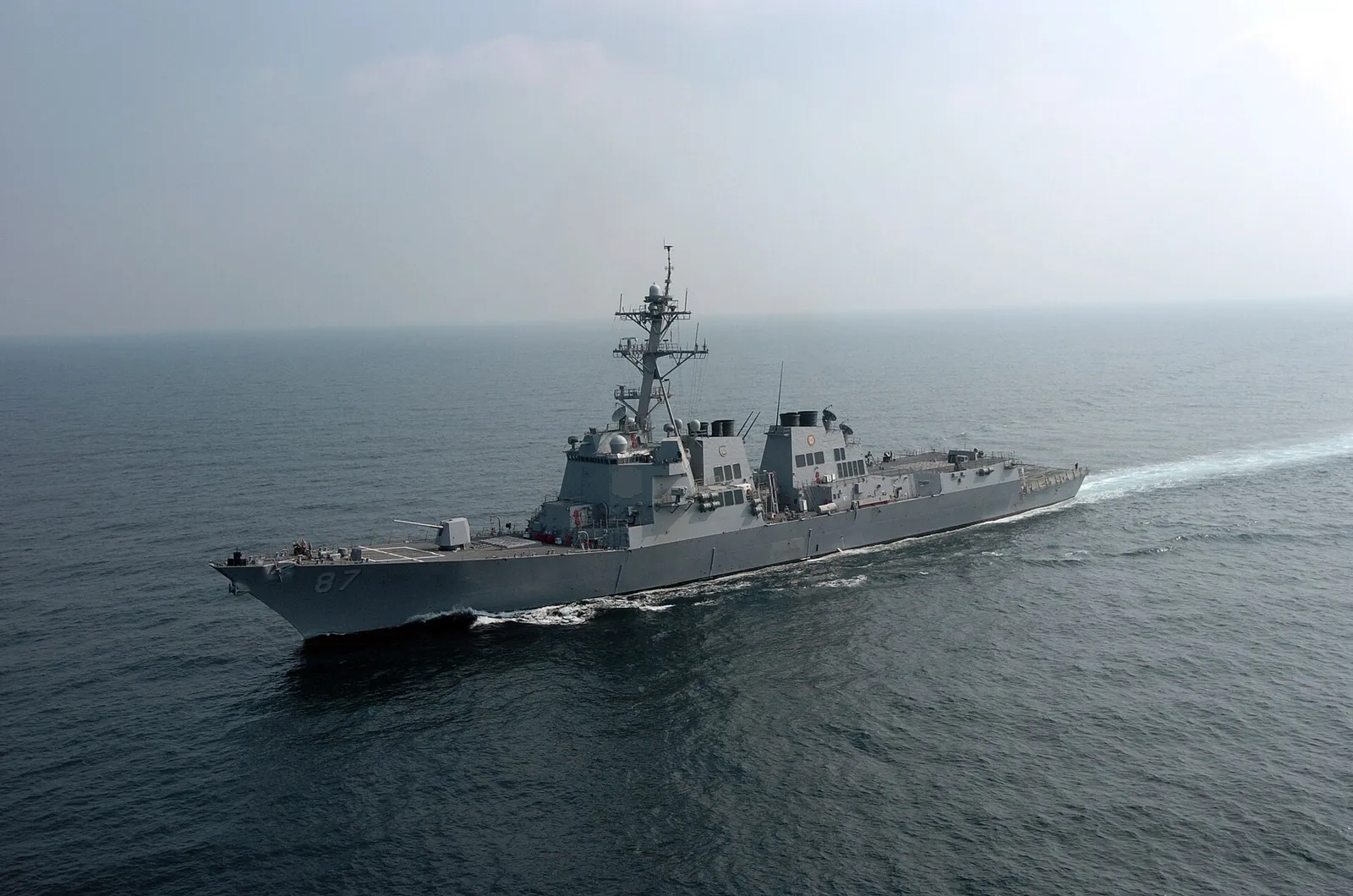
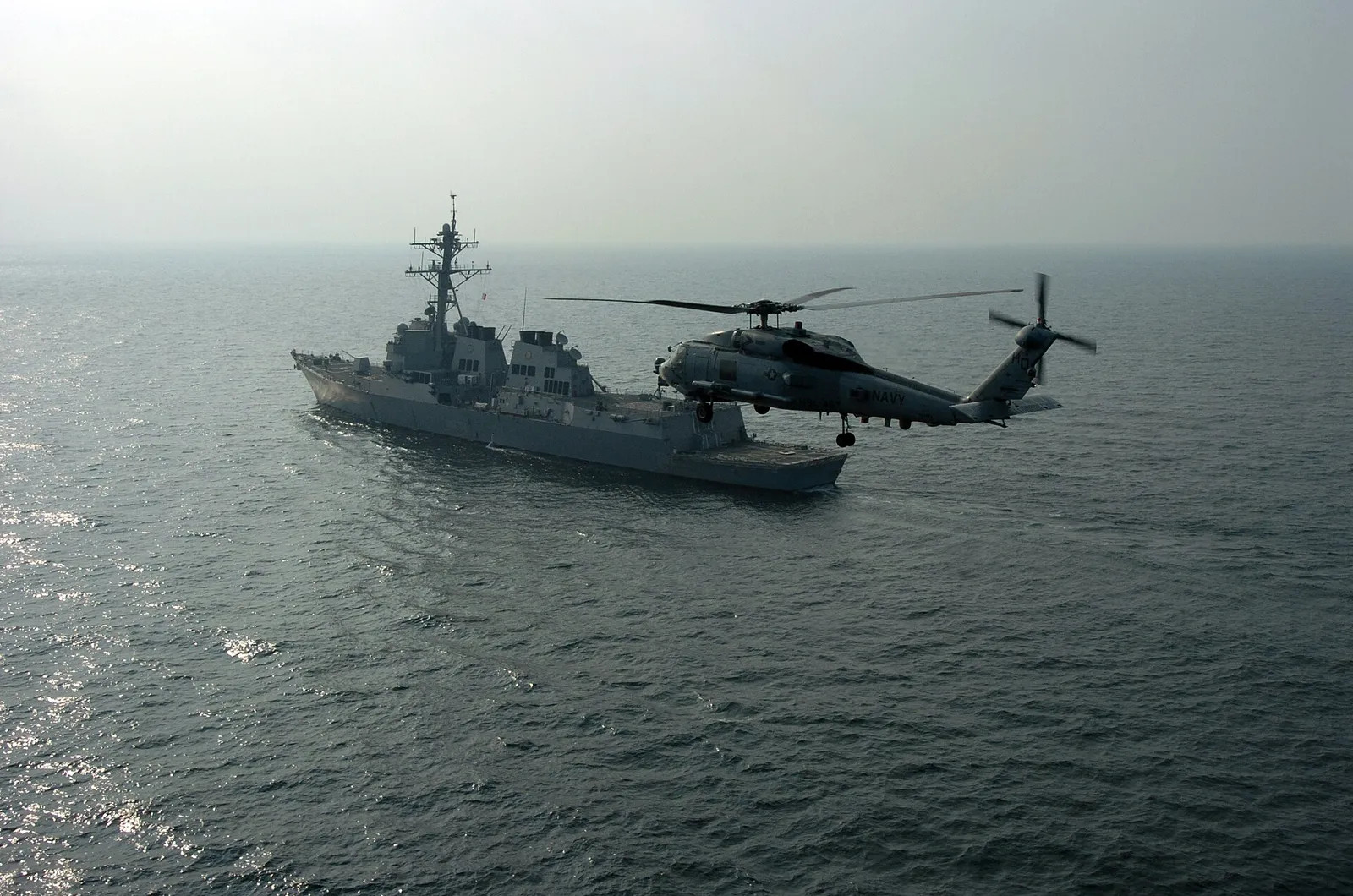
US Central Command said the strikes were designed to further degrade Iran's ability to threaten commercial shipping in the Strait of Hormuz, and described them as a response to the Iranian attack on the US base in Jordan that killed two American service members on Friday.
The Iranian news agencies Mehr and Tasnim reported no casualties from this round and no damage to civilian infrastructure. That is Iran's account of strikes on its own territory, and it has not been independently confirmed.
Iran's strikes on Kuwait
Iran's response was directed not at the United States directly but at the bases it uses in neighboring countries.
Tasnim reported that Iranian forces targeted an ammunition depot at Al-Adiri camp and Patriot and air radar systems at the Ali Al Salem base in Kuwait. That, too, is Iran's own claim about its own operation.
There is corroboration that Kuwait has been struck. Kuwait's Ministry of Electricity has reported that an Iranian attack started a fire that damaged power generation units, and urged residents to ration electricity, a serious matter in a country where roughly 90 percent of the water supply comes from desalination and therefore depends on power.
The regional spread
The pattern now extends well beyond the two belligerents.
Qatar's Ministry of Interior said a child was injured by falling shrapnel. Qatar has maintained throughout that the Al Udeid air base on its territory has not been used to launch attacks on Iran, a position that matters to a government trying to avoid becoming a target for hosting American forces.
Jordan's army said its air defenses shot down three Iranian missiles passing through Jordanian airspace, with no casualties.
These are countries that are not at war with Iran, hosting American forces under longstanding arrangements, and they are absorbing damage. That is the most consequential development of the past several days, more so than any individual night of strikes.
The casualty picture
Both sides' numbers should be read as claims rather than findings.
Iran has said at least 50 people have been killed and more than 500 wounded in American strikes over the past three weeks, including seven deaths in a strike on Bandar Khamir on Thursday. Independent verification inside Iran is limited, and Iranian authorities have not published a breakdown separating combatants from civilians.
On the American side, two service members were killed and one is missing from Friday's attack in Jordan, with four hospitalized. Since the conflict began in February, 16 US service members have been killed and more than 430 wounded, according to US military figures.
Diplomacy
The June memorandum of understanding, which extended an April ceasefire and set out a framework for talks, is effectively finished. Iran has suspended its commitments under it, with Deputy Foreign Minister Kazem Gharibabadi saying the United States is no longer implementing the deal's terms. Washington's position is that Iran violated it first.
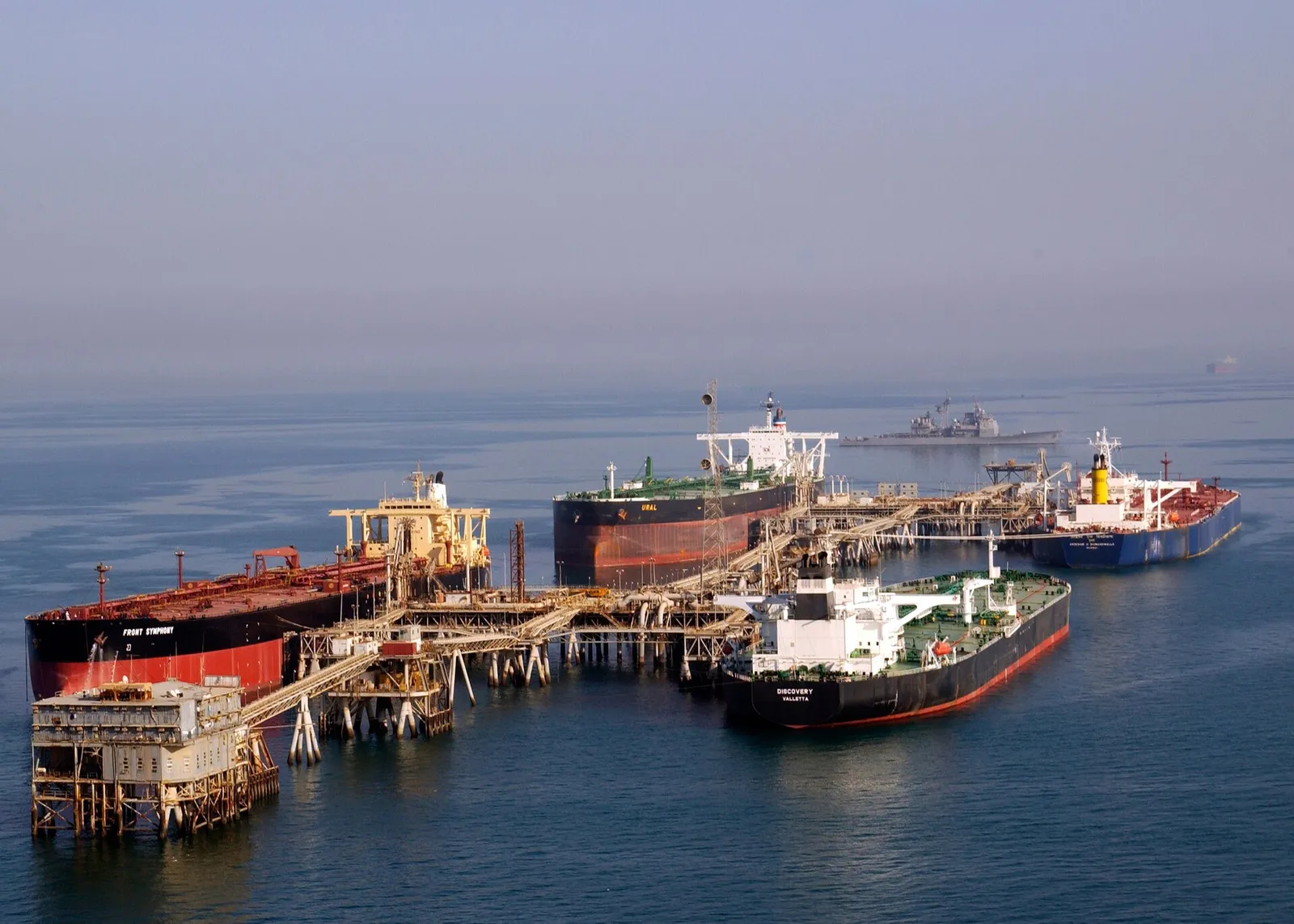
For Los Angeles, the Strait of Hormuz is the connection that will register first. Roughly a fifth of the world's seaborne oil moves through it, and CENTCOM has framed the entire campaign around keeping it open. A prolonged fight over that waterway shows up at California pumps well before it shows up anywhere else in daily life here.