A week of American airstrikes on Iran has hardened into a sustained campaign, and with it a widening dispute over what, exactly, is being hit.
The strikes
U.S. Central Command said American forces struck Iran for a seventh consecutive night, describing the targets as "surveillance sites, military logistics infrastructure, underground weapons storage, and maritime capabilities." The round of strikes, the military said, had been completed. The campaign resumed after President Trump declared an earlier truce with Iran void, following Iranian attacks on merchant vessels near the Strait of Hormuz, the narrow waterway through which much of the world's oil passes.
Competing accounts of the targets
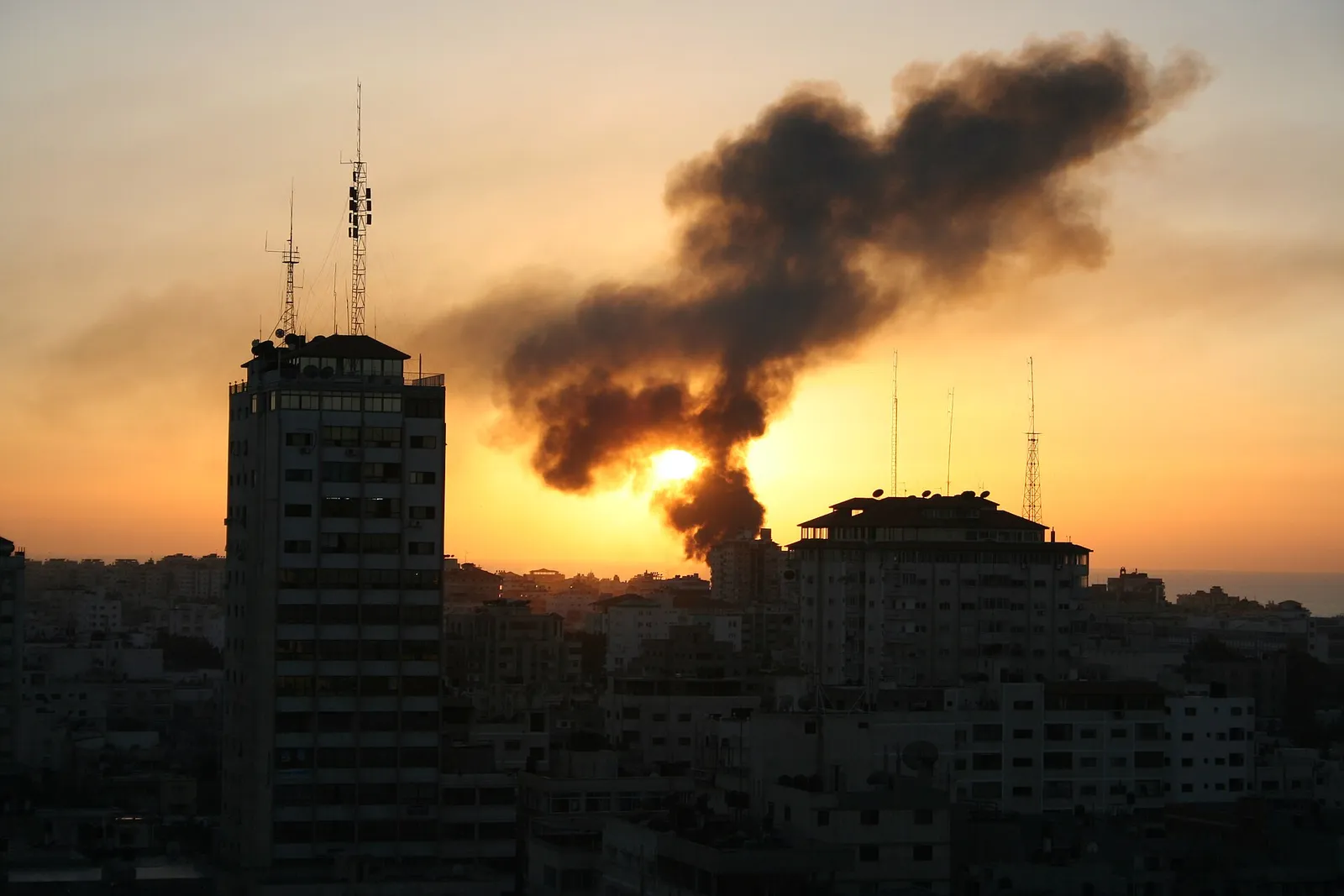
The core of the dispute is whether the strikes have hit civilians. Iran says they have, accusing the United States of destroying bridges, a train station, an airport and other civilian infrastructure. Washington has denied those claims, insisting its targets are military. Independent verification has been limited, but not absent: BBC Verify said it had confirmed footage showing damage to the Gariveh Bridge, with images of a collapsed span and rubble. The Herald reports the two sides' claims as attributed and notes where independent confirmation exists.
Iran has gone further, with its foreign minister and U.N. envoy accusing the United States of war crimes over what Tehran describes as attacks on civilian sites. The United States rejects that characterization. Such accusations are contested and, in the middle of an active conflict, difficult to adjudicate; they are presented here as Iran's allegations, not established fact.
The toll
Casualty figures come from Iranian authorities and cannot be independently verified. Iran's Health Ministry said U.S. strikes have killed at least 50 people and wounded more than 500 since July 6. Provincial officials in Hormozgan, in Iran's south, reported seven killed in strikes there. Independent tallies of the dead and wounded have not been possible.
Retaliation and the wider risk
Iran has struck back at U.S. partners in the region. Kuwait said one of its power and water plants had been hit, following a similar attack a day earlier, part of a pattern of Iranian drone and missile fire aimed at American allies around the Gulf. Iranian officials have warned of a broader offensive if the strikes continue.
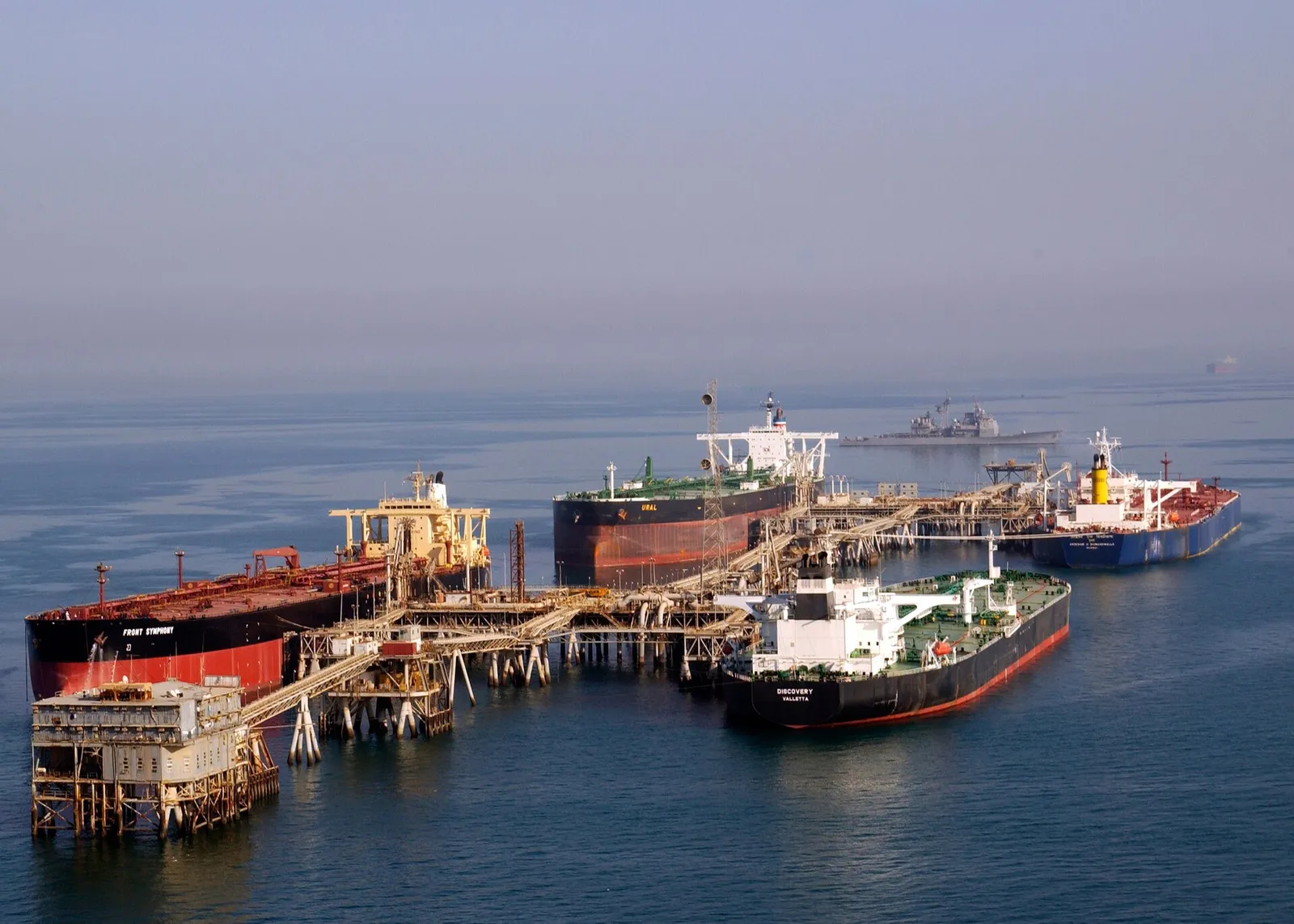
The escalation carries dangers well beyond the two combatants. The Strait of Hormuz is among the most important chokepoints in global energy trade, and sustained fighting around it threatens shipping and oil prices worldwide. Diplomacy, for now, appears stalled: the truce that briefly paused the conflict has collapsed, and each side is blaming the other as the strikes go on. For civilians in the areas being hit, the practical reality is another night of explosions, and mornings spent counting the damage.