

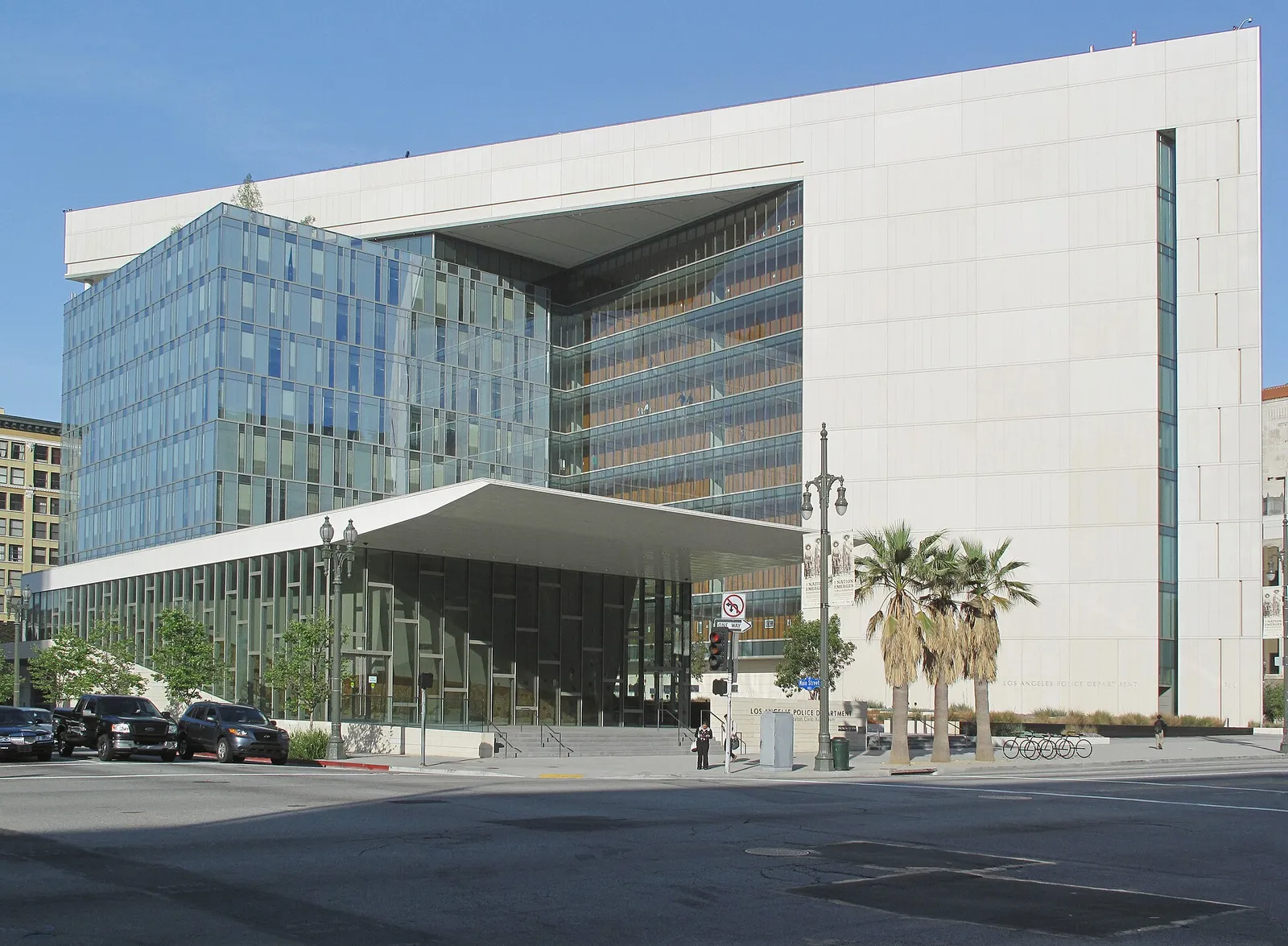
An LAPD detective has sued the city, alleging that commanders dismantled his unit and cut him off from a case after he pressed to have a young woman's 2023 death investigated as a possible homicide rather than an accidental overdose.
The claims come from Detective Alexander Tan, who worked in the Van Nuys Division's narcotics enforcement unit. They are allegations in a civil complaint filed in Los Angeles Superior Court. None has been tested in court, and the department has not addressed them publicly.
What the lawsuit claims
According to the complaint, as reported by MyNewsLA, Tan and a partner came to believe that the death of Amelia Salehpour, which the department handled as an accidental overdose, warranted a homicide investigation. The suit alleges that detectives assigned to the case from Operations Valley Bureau Homicide misclassified the death despite what the filing describes as visible evidence of strangulation. That characterization is the lawsuit's, and the Herald has not independently reviewed the coroner's findings or the case file.
The complaint alleges that Tan and his partner were told by a supervisor: "We want you to sweep this under the rug and call it an overdose." It further alleges that in September 2024 a captain ordered the two detectives to stop communicating with the family, and that command staff told Tan, "We're not helping the family sue us."
Tan contends the department came to view the pair as what the suit calls "a unified and immovable obstacle" and moved against him as a result. The alleged retaliation includes dismantling the narcotics unit until he and his partner were its only remaining members, withholding resources, and denying overtime pay for court appearances. "The message was clear: pursue this investigation, and we will destroy your career," the complaint states.
What is not established
Several claims circulating in coverage of the case go well beyond what can currently be confirmed, and the Herald is not reporting them as fact. The lawsuit's characterization of the physical evidence, the conclusions of any private examination commissioned by the family, and the reasons prosecutors took or declined to take action are contested, unverified, or both. A civil complaint is one side's account, written by one side's lawyers.
What is established is that a sworn detective has put these allegations on the public record and is seeking damages, and that the department disagreed internally about how the death should have been classified.
The department's position
The LAPD has not issued a public statement responding to Tan's allegations. In matters of pending litigation the department routinely declines comment, and its silence here should not be read either as agreement or denial.
The wider question the case raises is one that has followed the department through decades of oversight fights: whether a detective who disputes how a death was classified has a route to escalate that view without professional cost. That question will be answered, if at all, in a courtroom. The Herald will report the department's response and the case's progress as they come.