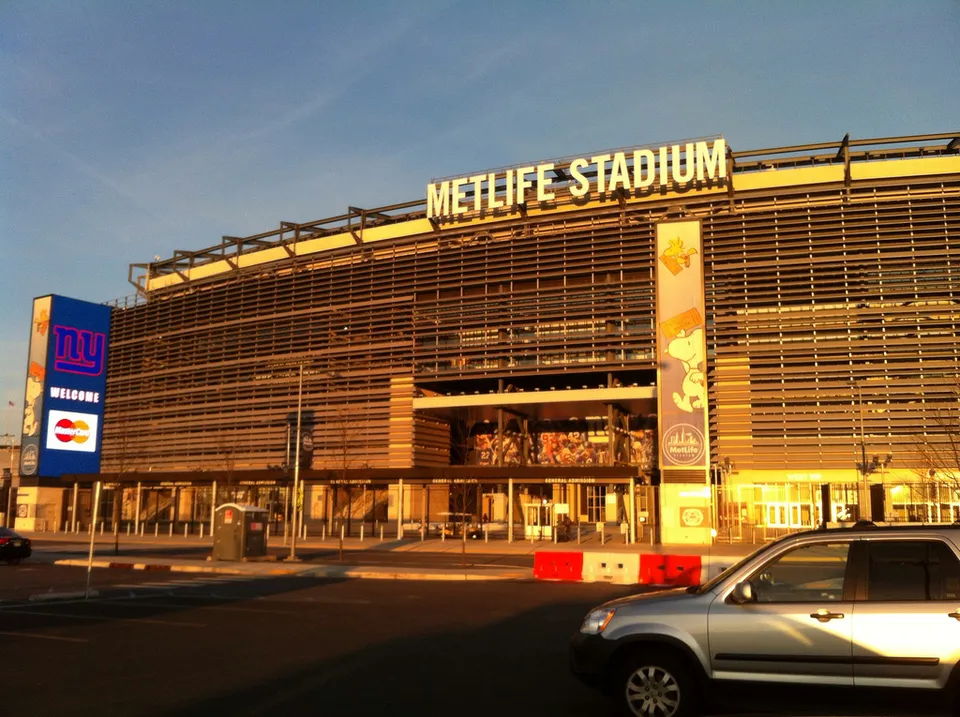
The 2026 World Cup ends Sunday at MetLife Stadium in East Rutherford, New Jersey, where Argentina defends the title it won in 2022 against a Spain side that has conceded almost nothing on its way to a first final since 2010.
Kickoff is 3 p.m. Eastern. The two countries have never met in a World Cup final before.
Two ways of winning
The teams have arrived by opposite routes, and the final is more interesting for it.
Argentina has been the tournament's escape artist. Against England in the semifinal it trailed to Anthony Gordon's goal just before the hour, equalized through Enzo Fernández in the 85th minute and won it through Lautaro Martínez in stoppage time. Messi did not score and had a hand in both goals. It was the latest in a run of games Argentina has settled late.
Spain has done the opposite, winning by making games uneventful. It beat France 2-0 in its semifinal through a Mikel Oyarzabal penalty in the 22nd minute and a Pedro Porro goal after the break, and the scoreline understates the control. Luis de la Fuente's team keeps the ball, denies opponents the chance to build rhythm, and wins without the match ever becoming a spectacle.
That is the tactical question of the final. Argentina needs the game to become chaotic at some point, because chaos is where it has been lethal. Spain's entire method is to ensure that moment never arrives.
Rodri in the middle
Spain's control runs through Rodri, back to the form that won him the 2024 Ballon d'Or after a serious knee injury threatened his career. De la Fuente has described him as the backbone in midfield that makes everything right, which is an unglamorous way of saying that Spain functions when he dictates the tempo and struggles when he does not.
His job on Sunday is specific: deny Messi the ball in the areas where he can still decide a match. Messi at 39 does not cover the ground he once did, but he does not need to. He needs possession in the final third with a moment to look up. Spain's approach is to make sure those moments are rare, and Rodri's positioning is how that is done.
Argentina's midfield, with Fernández and Alexis Mac Allister, will attempt the reverse: to disrupt Spain's rhythm rather than match its passing.
Messi and Yamal
The framing everyone reaches for is the age gap. Messi is 39 and has indicated this is his last World Cup. Lamine Yamal turned 19 five days before the final. It is a tidy story about one era handing off to another, and it should be treated with some caution, because tidy stories about football rarely survive the match.
Yamal has not had the tournament his club form suggested he might, hampered by a spring injury that cost him preparation. Whether he starts and how much he takes on will shape Spain's attack: at his best he is the one Spanish player who breaks a game open by himself rather than by system.
Messi's situation is different. His tournament has been productive, and his influence on the England semifinal was the sort a player exerts when he no longer needs to run past anyone to matter. Whatever happens Sunday, this is the last time he plays a World Cup match.
Watching it from here
Los Angeles has a stake in this tournament beyond the final. The region hosted matches at SoFi Stadium this summer, and the 2028 Olympics arrive here two years from now, which means the operational lessons of running a continental tournament in high summer are being taken down locally with some interest.
For Sunday, though, the LA connection is the ordinary one: a 3 p.m. Eastern kickoff is noon here, and a city with large Argentine and Spanish communities will watch it in the middle of the day.