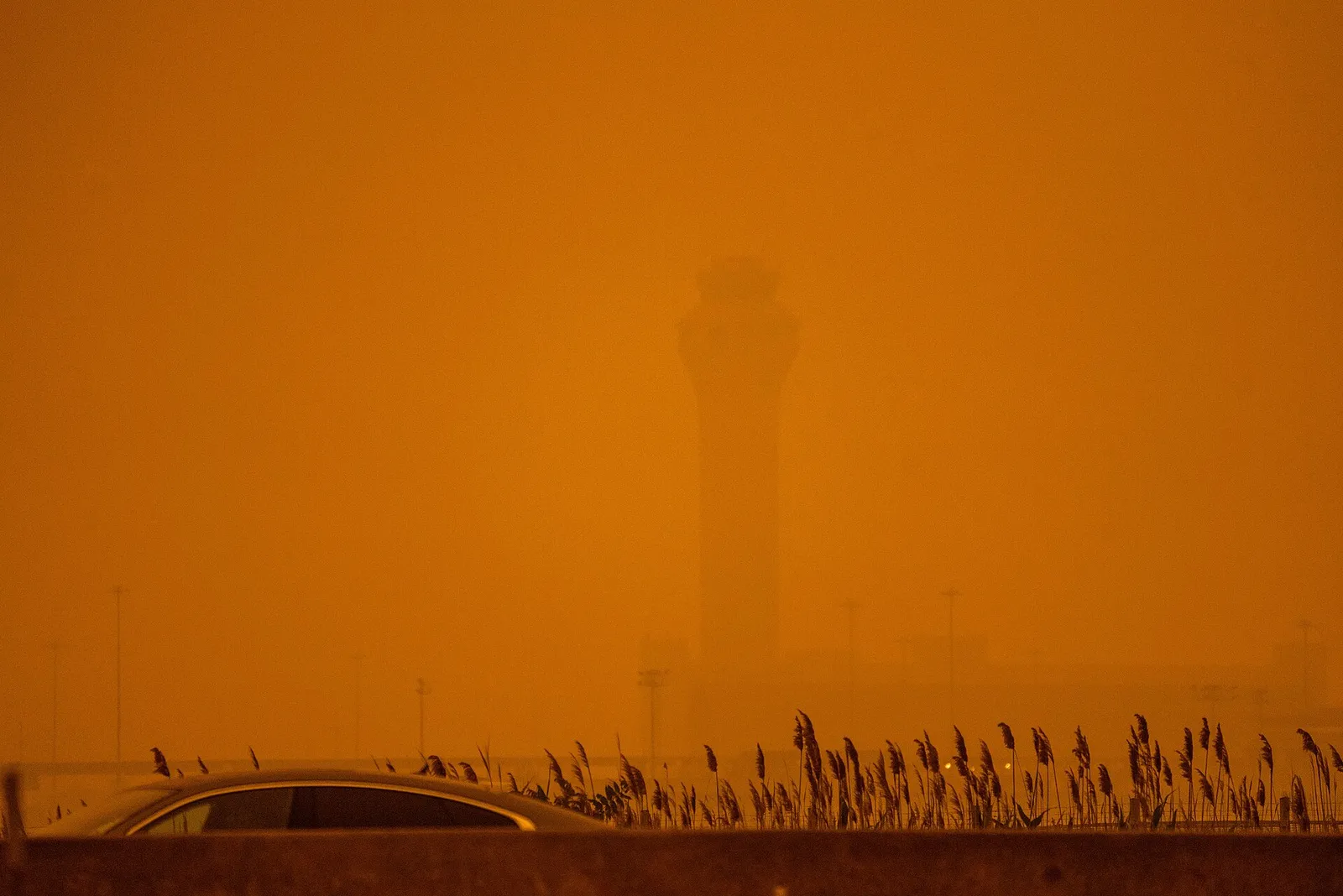
The last complication of a long tournament is not a team or a referee but the sky. Smoke from Canadian wildfires has settled over the Northeast in the days before the World Cup final, and whether Spain and Argentina play in clean air on Sunday depends on a rain system.
Where the smoke comes from
The source is a severe fire season in Canada. Nearly 900 wildfires were burning as the smoke moved south, with Ontario the worst affected; Al Jazeera reported more than 200 of them burning out of control, concentrated in the west-central part of the province.
The smoke traveled more than a thousand miles, reaching from Michigan to New Hampshire to Virginia, and at least 18 states issued air quality alerts. New York City measured an air quality index above 200 on Thursday evening, a reading classified as very unhealthy. Philadelphia declared a Code Purple air quality emergency on Friday, and New Jersey, where the final will be played, reported unhealthy readings Friday morning that were forecast to continue into Saturday.
Detroit and Chicago fared worse still, at points ranking among the most polluted cities in the world on the tracker IQAir.
New York's mayor, Zohran Mamdani, did not soften the assessment. "This is very serious," he said. "We are reaching into a level of air quality that is dangerous for every single New Yorker."
What FIFA has said
FIFA's position, stated Friday, is that the air quality did not at that point represent a threat to the final, and that organizers were monitoring the situation closely. Andrew Giuliani, who has worked on the tournament's federal coordination, said a National Weather Service representative sits at FIFA headquarters for exactly this purpose.
The forecast is the reason for the relative calm. Rain was expected to scrub the air, and the meteorologist Peter Mullinax told Al Jazeera that he did not believe conditions Sunday "should be as impactful as if you might be playing a game today." That is a forecast rather than a guarantee, and the National Weather Service cautioned that smoke could thicken again overnight into Saturday, with more possible after weekend storms move through. ABC7 noted it remained too early to say precisely where the smoke would sit by Sunday afternoon.
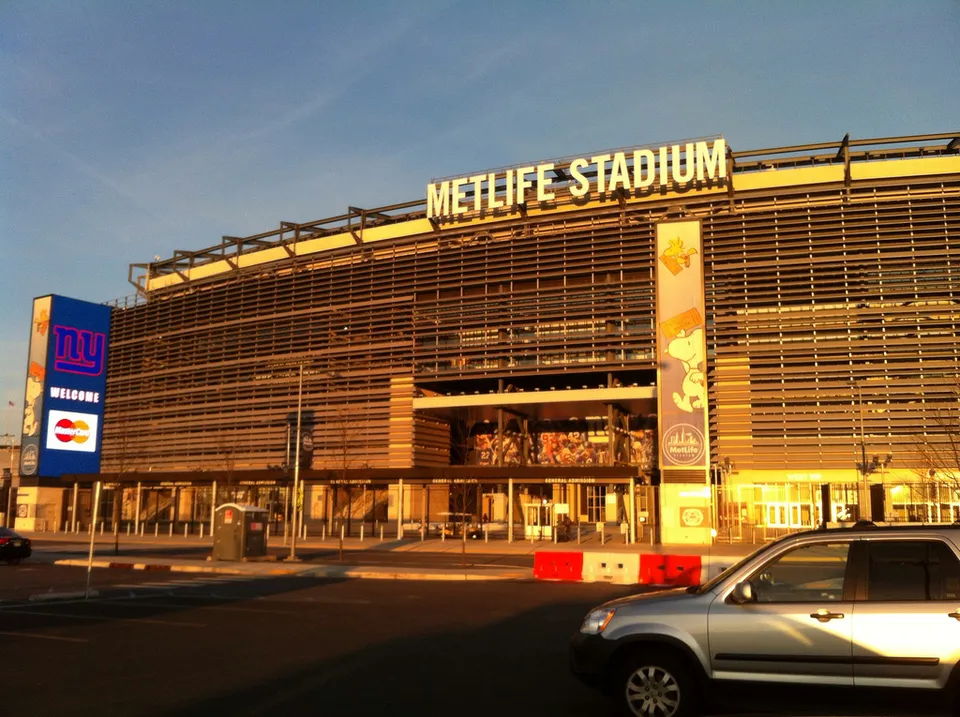
The match kicks off at 3 p.m. Eastern at MetLife Stadium in East Rutherford, New Jersey.
The gap this exposed
The wider issue is that the tournament has no clear published threshold for when smoke stops play. Other American sports have written the rules down. Leagues and governing bodies across the country use the air quality index as a trigger, with escalating requirements for hydration breaks, then relocation, then postponement as readings climb. A reader could reasonably ask what number would cause FIFA to move the World Cup final, and that number does not appear to be public.
This is not an abstract concern for Los Angeles. The region hosted matches this summer at SoFi Stadium during a Southern California fire season, and the same question applied here in June that applies in New Jersey now. An expanded World Cup, spread across a continent and played in high summer, will keep running into smoke. This is the first tournament to encounter it at this scale, and it is unlikely to be the last.
For Sunday, the expectation is a hazy sky and playable air. That outcome is the product of a well-timed weather system rather than a plan, which is precisely the observation worth keeping.