

Two American service members were killed and a third is missing after Iranian ballistic missiles and drones struck an air base in Jordan on Friday, and the United States has responded with a seventh consecutive night of strikes inside Iran.
The deaths are the first American combat losses from direct Iranian fire in months, and they have hardened both sides at the moment the interim agreement between Washington and Tehran was already coming apart.
The attack in Jordan
The strike hit a base hosting US troops and aircraft. Beyond the two killed and one missing, four more American service members were evacuated to hospitals in Jordan and have since been discharged, according to US Central Command.
These were the first US combat deaths since March 8. Sixteen American service members have been killed since the conflict began in February, with more than 430 wounded.
The American response
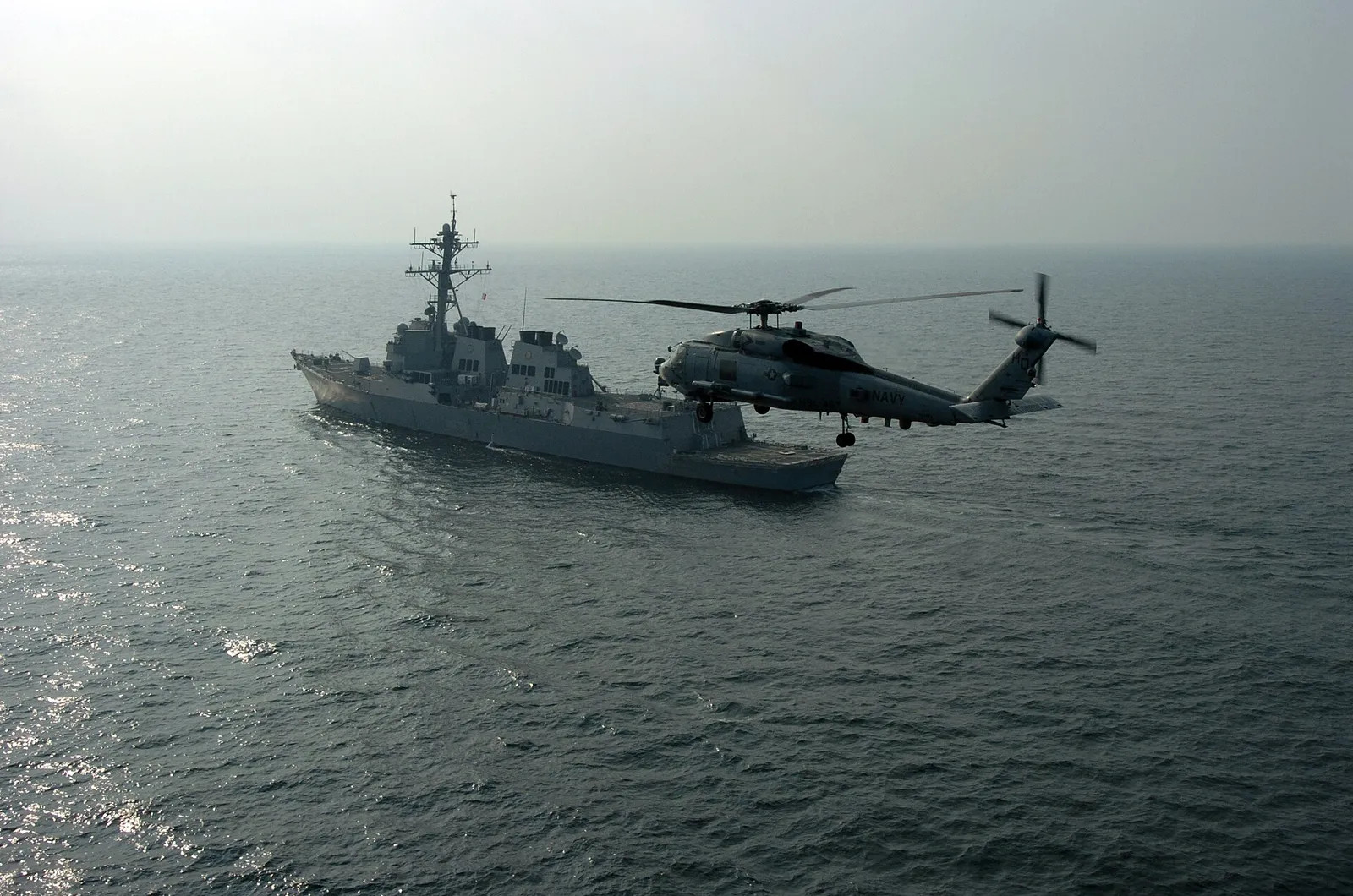
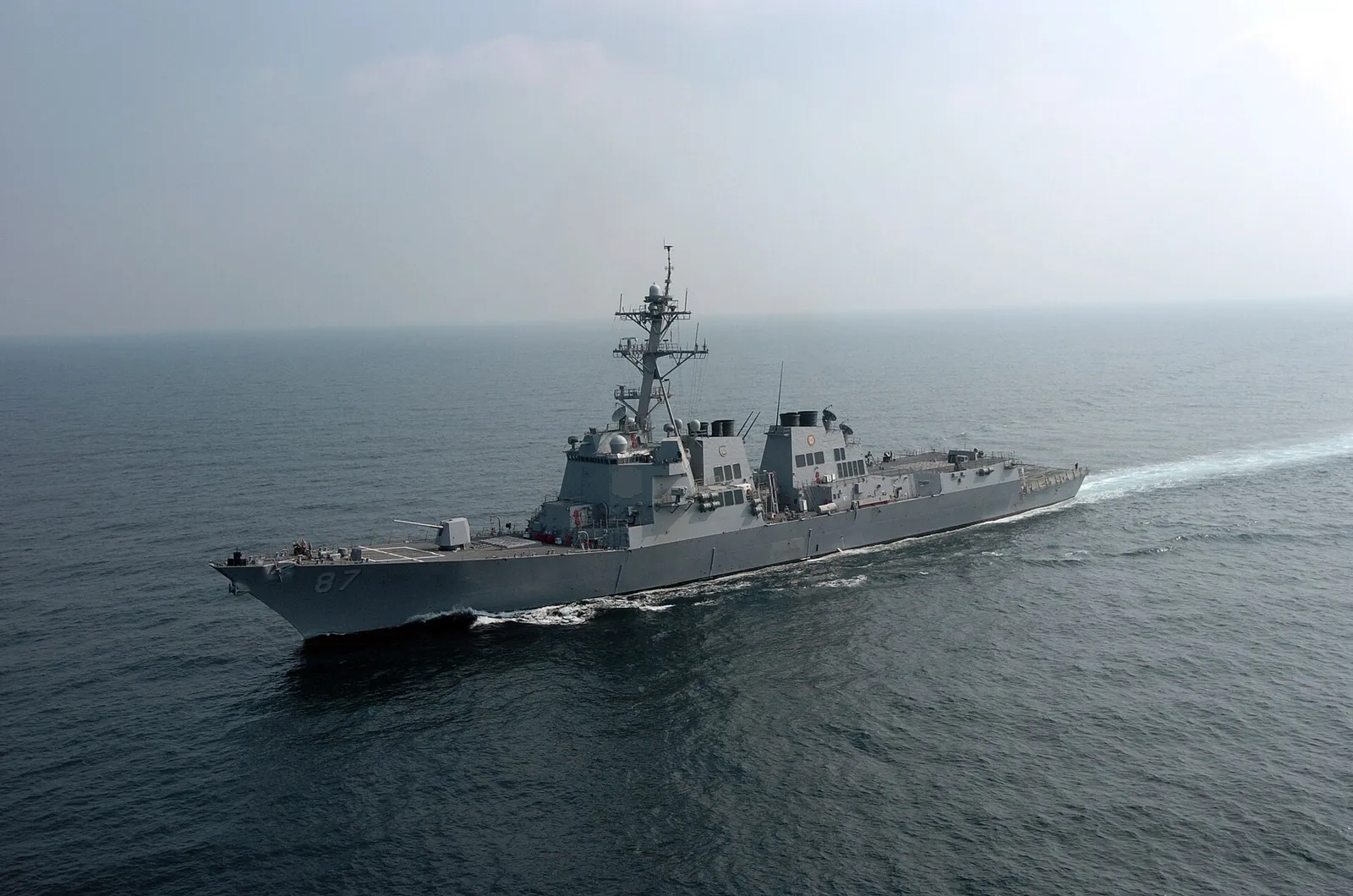
CENTCOM said its forces struck surveillance sites, military logistics infrastructure, underground weapons storage and maritime capabilities, using fighter aircraft, drones and warships. Earlier in the month the command described its objective as degrading Iran's ability to threaten shipping through the Strait of Hormuz, and an earlier round of strikes hit Islamic Revolutionary Guard Corps fast boats to that end.
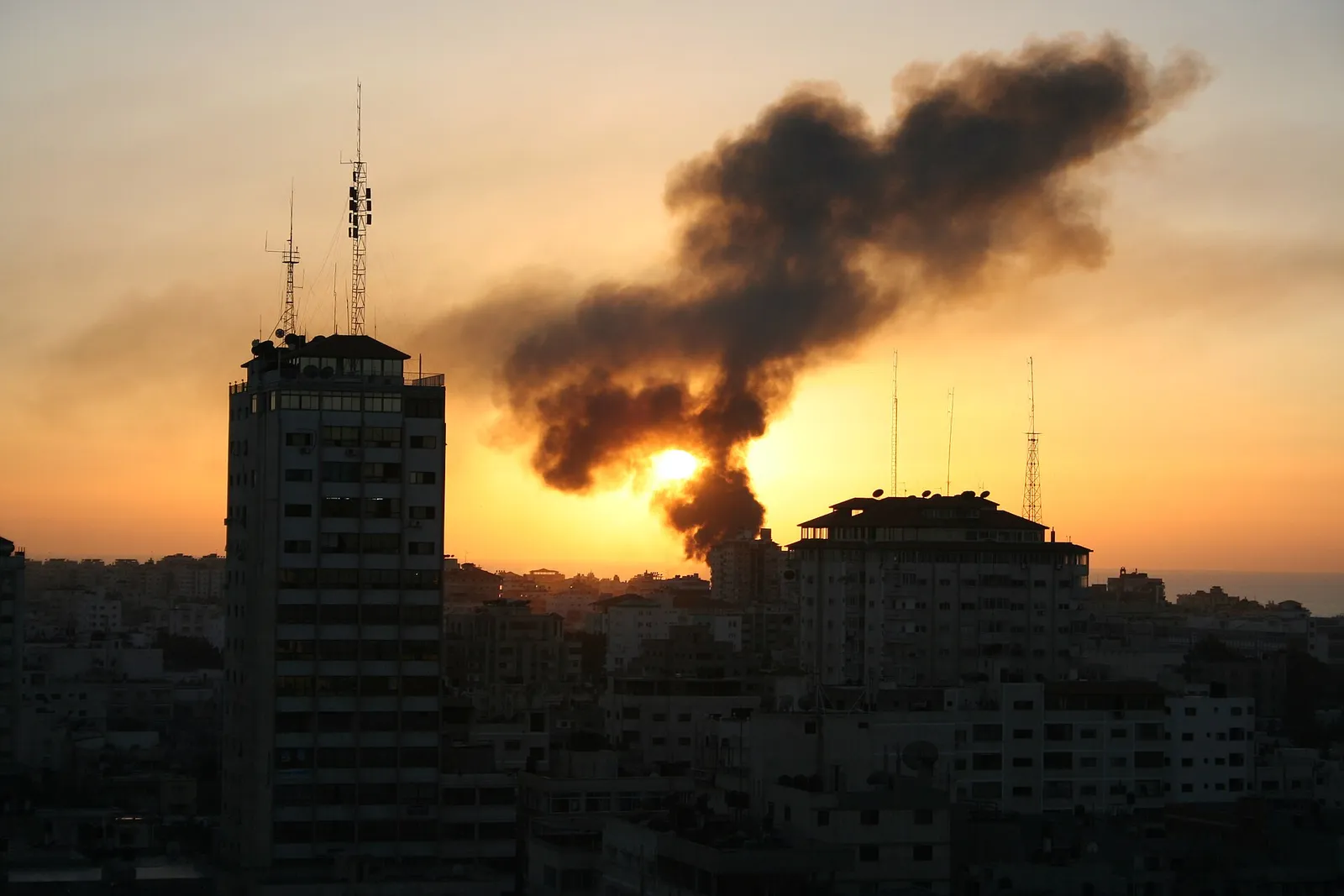
The latest wave reached Hormozgan province in Iran's south. Iranian state media showed damage to bridges and rail lines in the region, near the port city of Bandar Abbas.
What Iran says
Tehran's account of the damage is considerably broader than Washington's, and the Herald cannot independently verify it.
Iran's Health Ministry has reported at least 50 people killed and more than 500 injured in US strikes since July 6. Iranian officials say the strikes have hit civilian infrastructure, pointing to a seawater pumping station and a power transformer at the Bunji desalination plant at Jask, which they say were destroyed. Hamzeh Pour, chief executive of the Hormozgan Water and Wastewater Company, said the damage there deprived "20 villages of water," with about 10,000 people affected.
Iran has characterized strikes on such facilities as violations of international humanitarian law. The United States has not responded directly to those specific allegations, and CENTCOM has described its targets as military.
Iranian officials have not published a breakdown separating combatant from civilian deaths, and independent verification inside Iran remains limited. Figures on both sides should be read with that in mind.
The agreement unravels
The diplomatic casualty is the memorandum of understanding signed in June, which had functioned as a temporary ceasefire.
Deputy Foreign Minister Kazem Gharibabadi said the United States "has violated and suspended all its commitments within the framework of the Islamabad MoU," and Iran has stopped implementing its own. Foreign Ministry spokesman Esmaeil Baghaei said Iran had not sought war and was defending itself. First Vice President Mohammad Reza Aref accused Washington of striking before "the ink on the MoU had even dried."
Iran's supreme leader, Mojtaba Khamenei, warned of "unforgettable lessons" should American attacks continue.
The American position has been that Iran broke the agreement first and that the strikes are a response to attacks on US forces and shipping. Both governments are now describing themselves as the party that was wronged, which is the usual condition of a collapsed ceasefire and tells a reader little about what actually happened.
Where this sits
Kuwait has reported attacks on its territory, and the United Arab Emirates has condemned the targeting of civilian infrastructure in the region without specifying which strikes it meant. That widening is the development to watch: the conflict has begun producing incidents in countries that are not party to it.
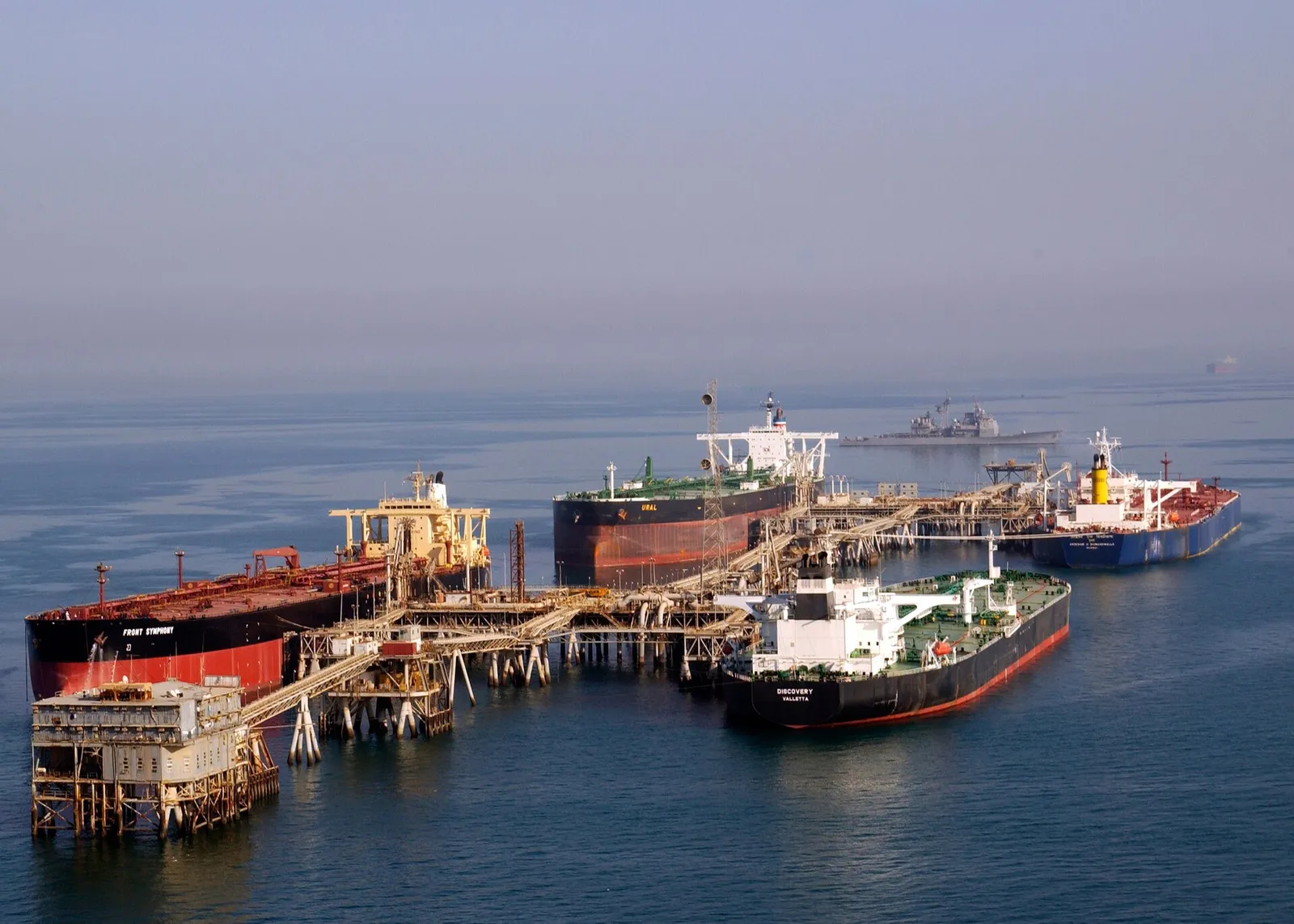
For Los Angeles, the connections are the ones any American city has to a war of this kind. Service members from Southern California are deployed across CENTCOM's area of operations, and the Strait of Hormuz carries a fifth of the world's seaborne oil, which is why the fighting registers at the pump long before it registers anywhere else.