The storm itself will never come close. Tropical Storm Elida is turning several hundred miles off the coast of southwestern Mexico, and it will stay there. What reaches Los Angeles is the swell it throws north, arriving Sunday afternoon and lingering into the middle of the week.
The National Weather Service has issued a high surf advisory that takes effect at 5 p.m. Sunday and runs through 11 p.m. Tuesday.
What to expect in the water
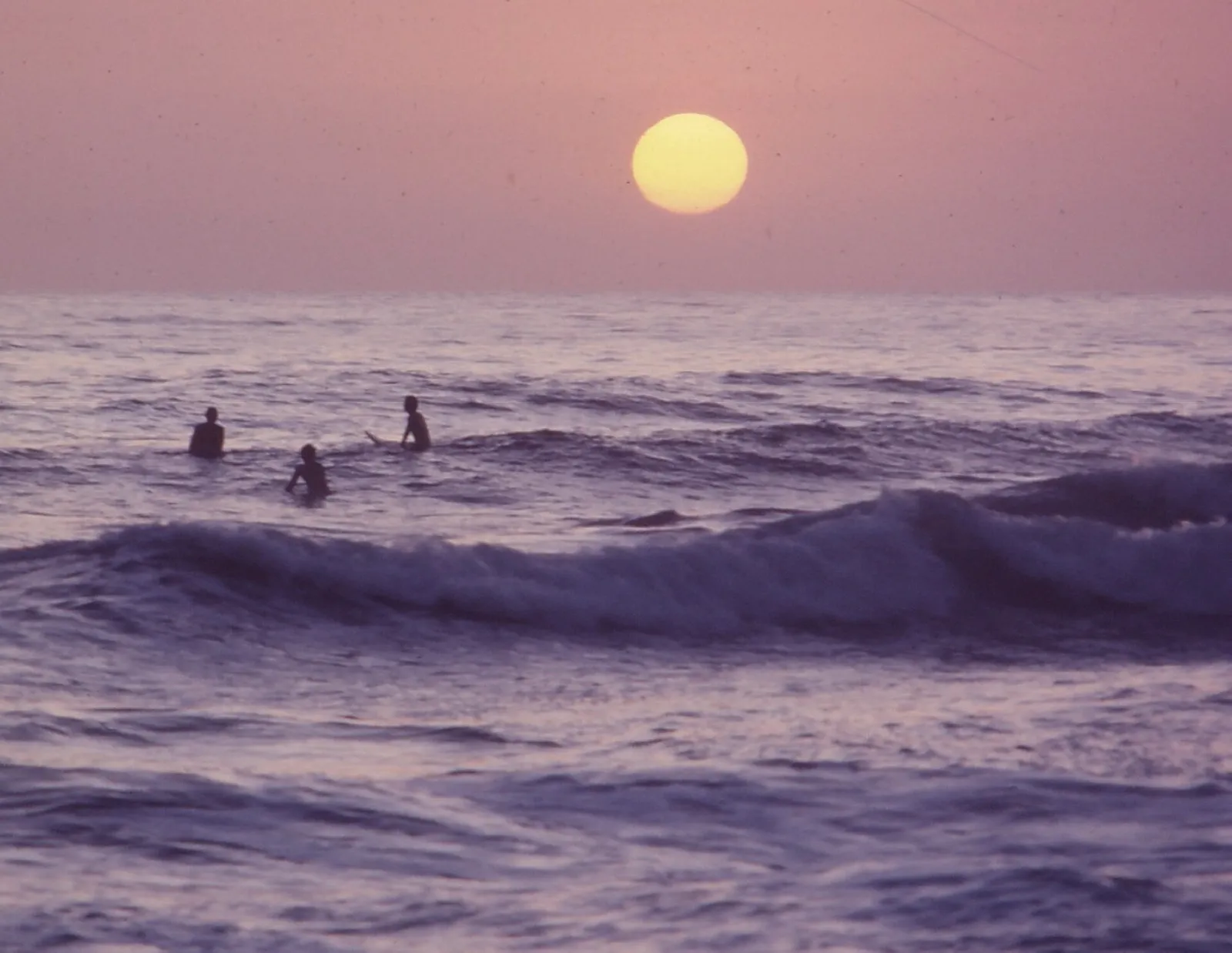
Forecasters expect waves of 4 to 7 feet, with sets reaching 8 feet at south-facing beaches. That is the detail worth carrying to the sand: the swell is arriving from the south, so the exposure is uneven. A south-facing stretch will be working hard while a beach around the point sits comparatively flat.
The larger hazard is not wave height but what the water does after it breaks. A swell of this size drives strong rip currents, the narrow channels of water moving offshore that pull swimmers away from the beach faster than most people can swim back. Rip currents are what turn a high surf advisory into rescues, and they are hardest to spot from the water's edge on exactly the kind of warm, bright afternoon that fills a beach.
Elida itself
As of Saturday morning the storm was carrying winds near 65 mph, and it is forecast to weaken steadily, easing to about 35 mph by Tuesday morning. There is no landfall threat to Southern California and no meaningful wind or rain expected onshore. The advisory concerns the ocean only.
If you are going
The advisory covers the weekend crowd's prime hours, which is the practical problem. Sunday evening through Tuesday takes in a full summer beach day.
A few things that hold in surf like this. Swim near an occupied lifeguard tower, and if that means walking ten minutes down the sand, walk. Keep small children out of the shorebreak, which is where a 6-foot wave does its damage on a steep beach. Stay off jetties and rock groins entirely, since they are where people get swept in and injured, and where the water moves fastest. If you are caught in a rip current, the standard advice still applies: do not fight it straight back toward shore, swim parallel to the beach until you are out of the pull, then come in.
Experienced surfers will find good waves in this, and that is fine. The advisory is not a closure. It is a warning that conditions will be stronger than they look from the parking lot, and that the ocean this week will be less forgiving of a misjudgment than it was last week.