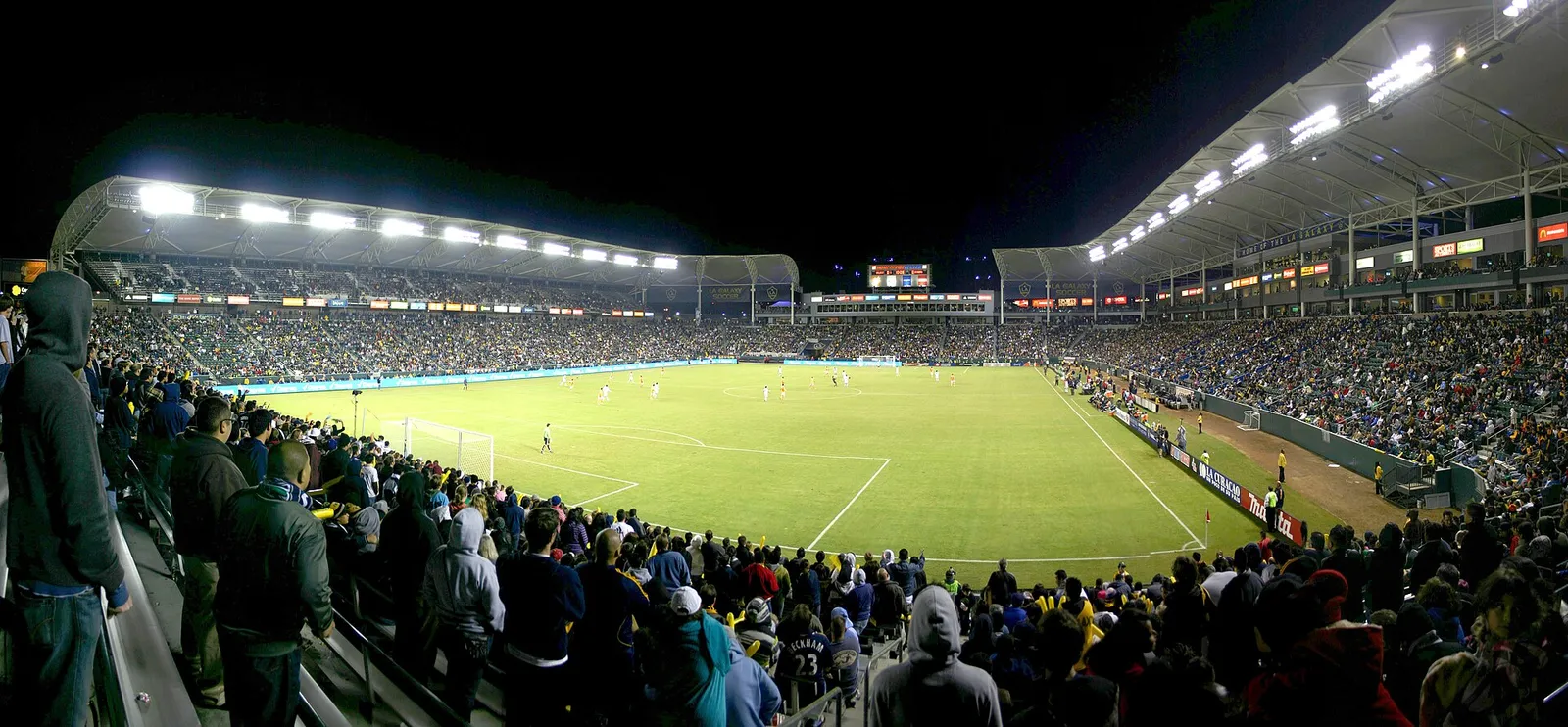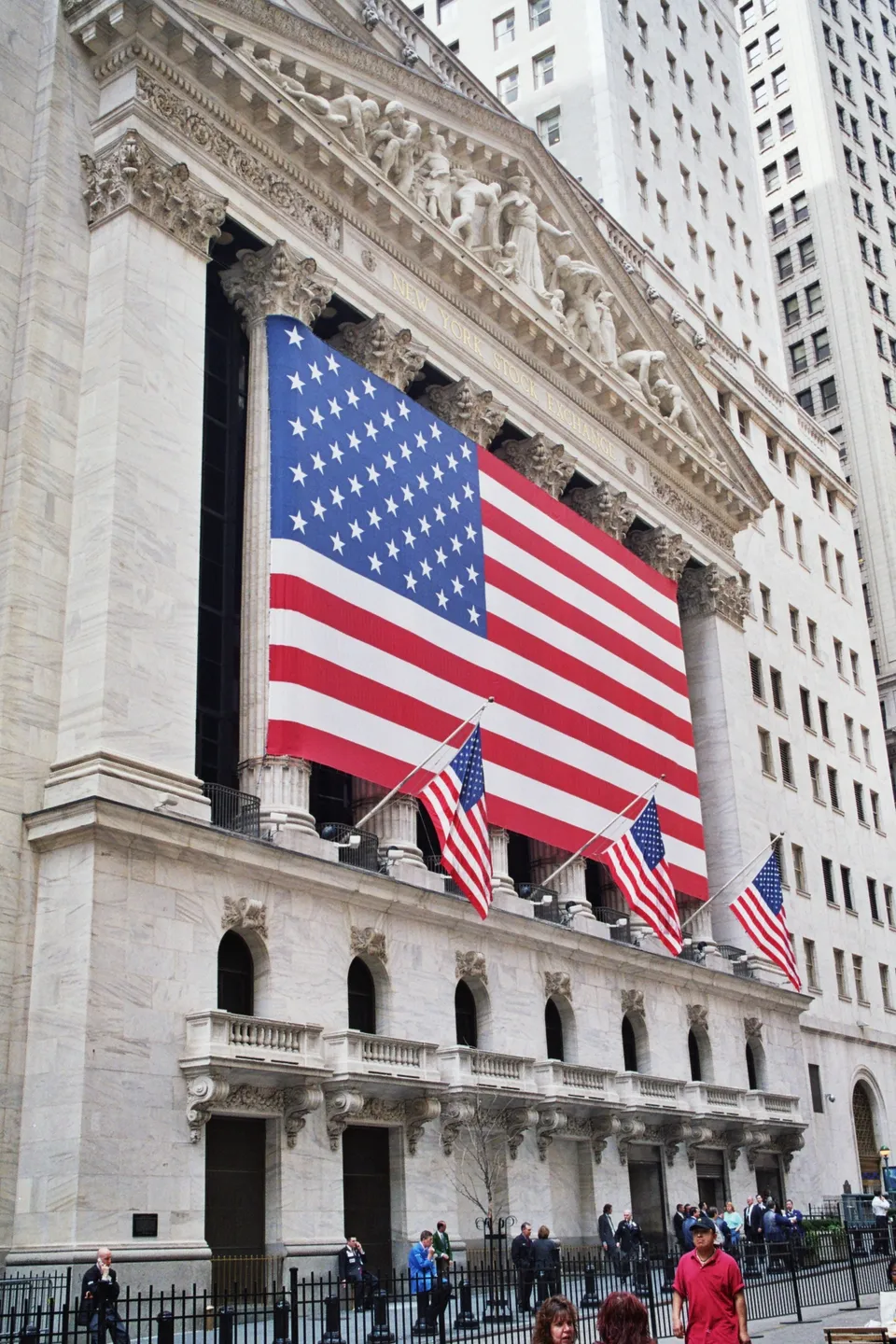
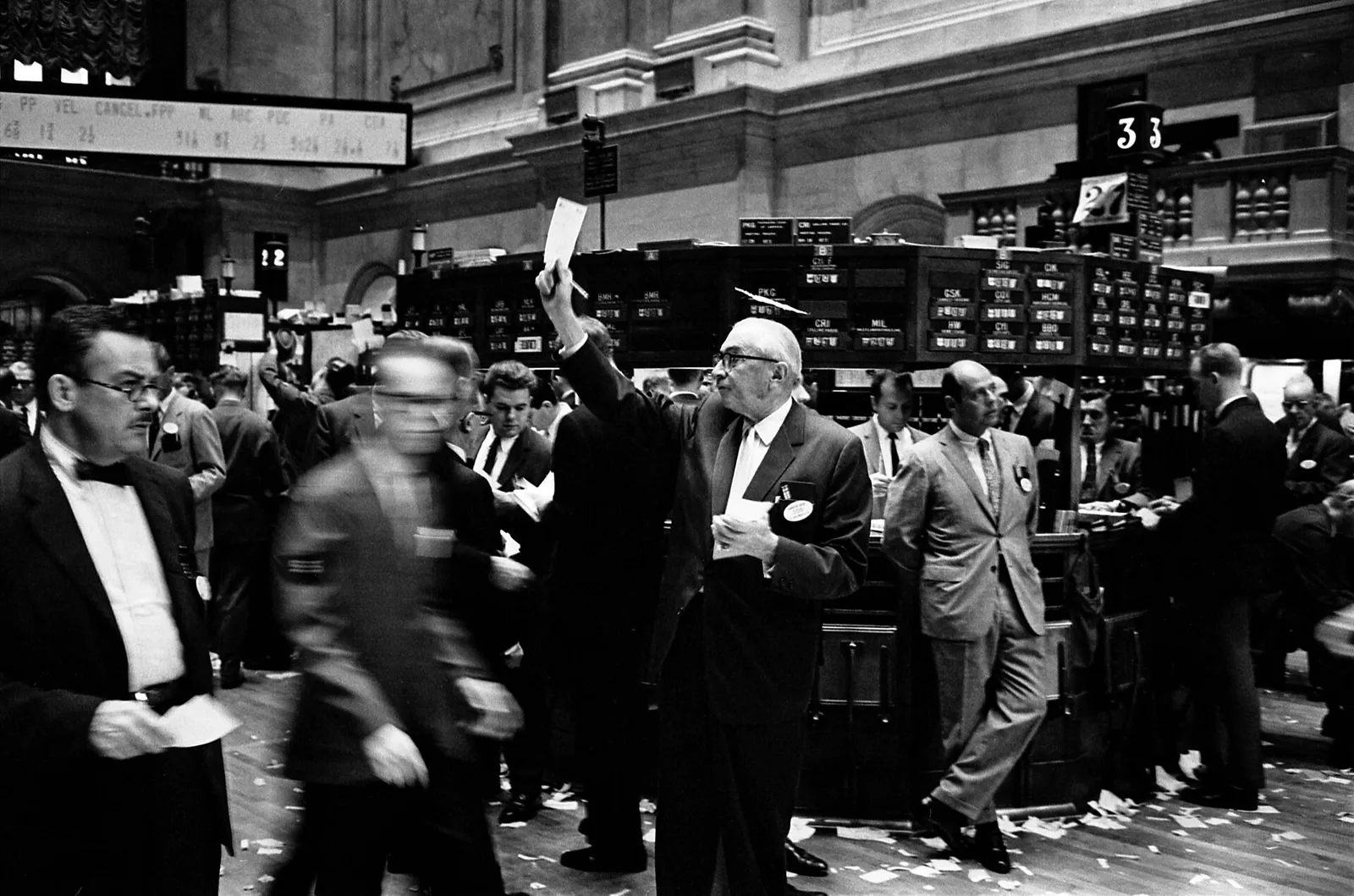
A soccer match is about to settle more than a trophy. It will settle more than a billion dollars in bets placed not through a sportsbook but on markets that look and behave like a stock exchange.
The numbers
The contract on the Argentina-Spain final has drawn more than $1.27 billion in trading volume on Kalshi, making it the largest single market in the short history of these platforms, according to Fortune. Across the whole tournament, trading on World Cup contracts has topped $25 billion, a figure that dwarfs the roughly $2 billion wagered on the NBA Finals and $1 billion on the Super Bowl. As of late last week, the market gave Spain about a 61 percent chance of beating Lionel Messi's Argentina.
The rival platform Polymarket has seen its own surge, with billions flowing through its World Cup markets. Both companies have reported record months.
What these platforms are
Kalshi and Polymarket are prediction markets, exchanges where people buy and sell contracts tied to the outcome of real-world events. Instead of a bookmaker setting the odds, prices move with supply and demand: a contract might trade at 61 cents if the market thinks an outcome is 61 percent likely, and it pays out a dollar if that outcome happens. The same mechanism that prices a bet on a soccer match can price a contract on an election, an interest-rate decision or a company's earnings.
The category has exploded in the United States over the past two years, and sports contracts now make up the bulk of the volume. Kalshi operates as an exchange regulated by the Commodity Futures Trading Commission, the federal agency that oversees financial derivatives; Polymarket moved to strengthen its own regulatory footing by acquiring a CFTC-licensed exchange.
Trading or gambling?
That regulatory label is the heart of a fierce dispute. Because the CFTC treats these contracts as financial products, the platforms operate under federal oversight rather than the state-by-state rules that govern sports betting. Supporters argue that prediction markets are legitimate financial instruments that surface useful information, letting the "wisdom of crowds" price the likelihood of events more efficiently than any bookmaker.
Critics counter that the framing is a fiction, that the agency has effectively let companies rebrand gambling as trading and route around state consumer protections. A recent analysis cited by The American Prospect estimated that ordinary users lost hundreds of millions of dollars on Kalshi over several years, with sports wagers accounting for much of it, and warned about the risks to problem gamblers. The legal question is unsettled: courts have issued conflicting rulings on whether federal oversight overrides state gambling law, a conflict that could eventually reach the Supreme Court, as congressional analysts have noted.
Why it matters
Whatever the courts decide, the World Cup final has made one thing plain: prediction markets have gone mainstream. A product that a few years ago was the province of political-junkie speculators is now the venue for billion-dollar action on the world's most-watched sporting event. For a growing number of Americans, betting on the game and trading a contract have become the same act, with far lighter regulation than the sportsbooks they resemble. Sunday's match will crown a champion; it has already crowned an industry's arrival.