
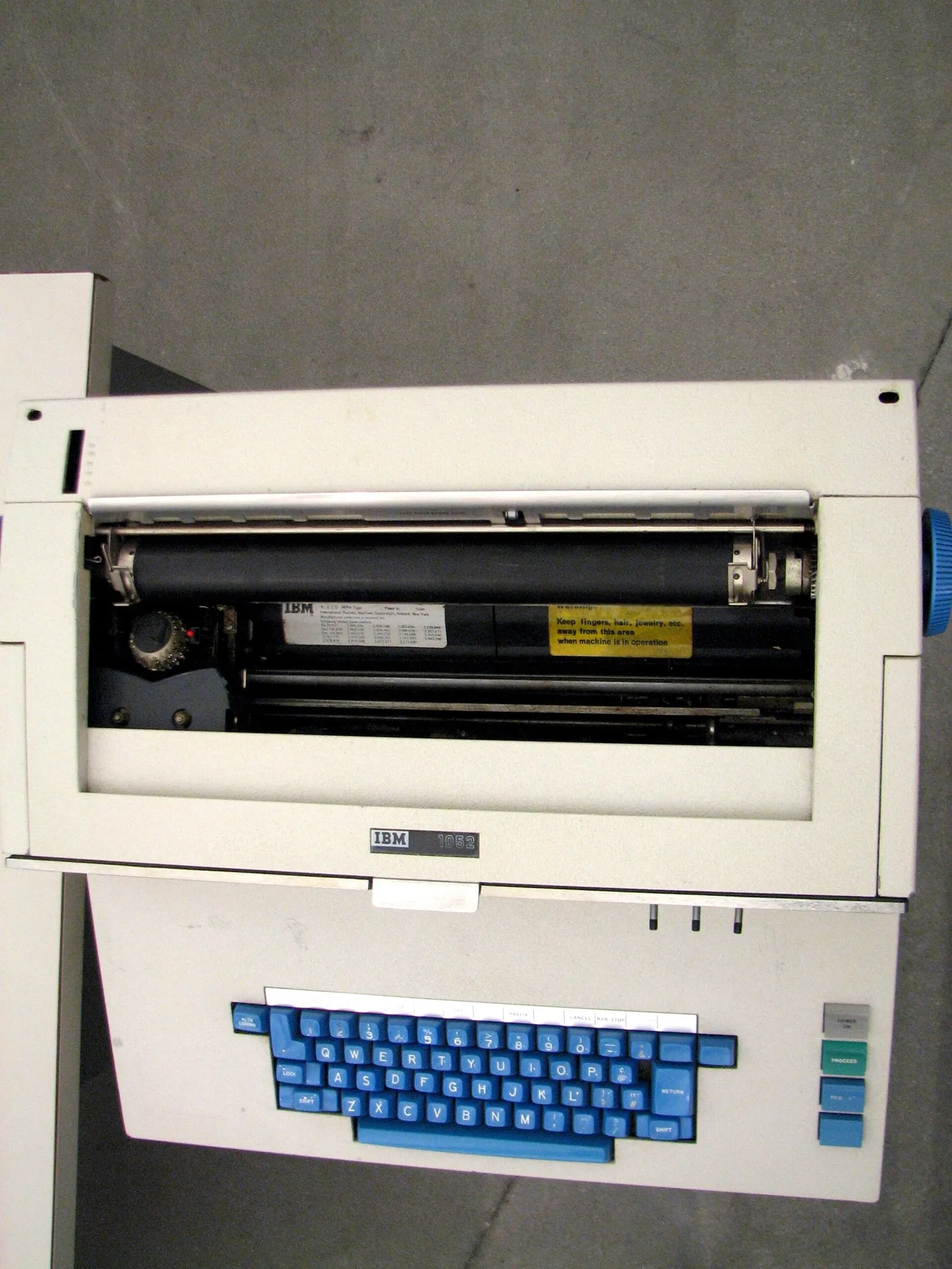
In an age when a question and its answer are separated by a few keystrokes, it is easy to forget that someone had to invent the idea of searching. Roger Summit was one of those people, and he did it a quarter-century before the web.
What he built
Summit, who died on June 7 at 95, created Dialog, widely regarded as the first commercial online search service. Working at Lockheed's laboratories in the 1960s, he and his team built a system that let a user at a terminal search large collections of documents interactively, refining a query and searching again against the results, rather than mailing off a request and waiting days for a printout. The approach, recognized as a milestone in the history of computing, turned information retrieval from a slow, specialist chore into something close to a conversation with a database.
The spark came from the space program. After a successful demonstration, Summit won a contract from NASA to build an online system for searching aerospace research, and by the early 1970s Dialog had launched commercially, offering subscribers remote access to databases across science, education and government. Searches that once took many hours could be done in minutes.
The career
Summit earned degrees from Stanford, including a doctorate, and joined Lockheed Missiles and Space Company at the start of the 1960s, as he recounted in later interviews. Dialog grew under his leadership into a subsidiary he ran as president, and it became a fixture of professional research, the tool that librarians, scientists, lawyers and journalists relied on to find things in the pre-internet world. The business was later sold and changed hands several times as the industry it helped create matured.
The legacy
It is tempting to file Dialog as a museum piece, and in one sense it is: the clacking terminals and dial-up connections are long gone. But the ideas endured. The notion that anyone could sit at a screen, pose a question to a distant computer and sift the results in real time is now so ordinary that it structures daily life. Summit proved it could be done, and that people would pay for it, decades before the search engines that made it universal.
He belonged to a generation of engineers who built the plumbing of the information age without becoming household names. Every time someone types a few words and expects the world's knowledge to answer, they are using, without knowing it, an idea Roger Summit helped bring into being.