

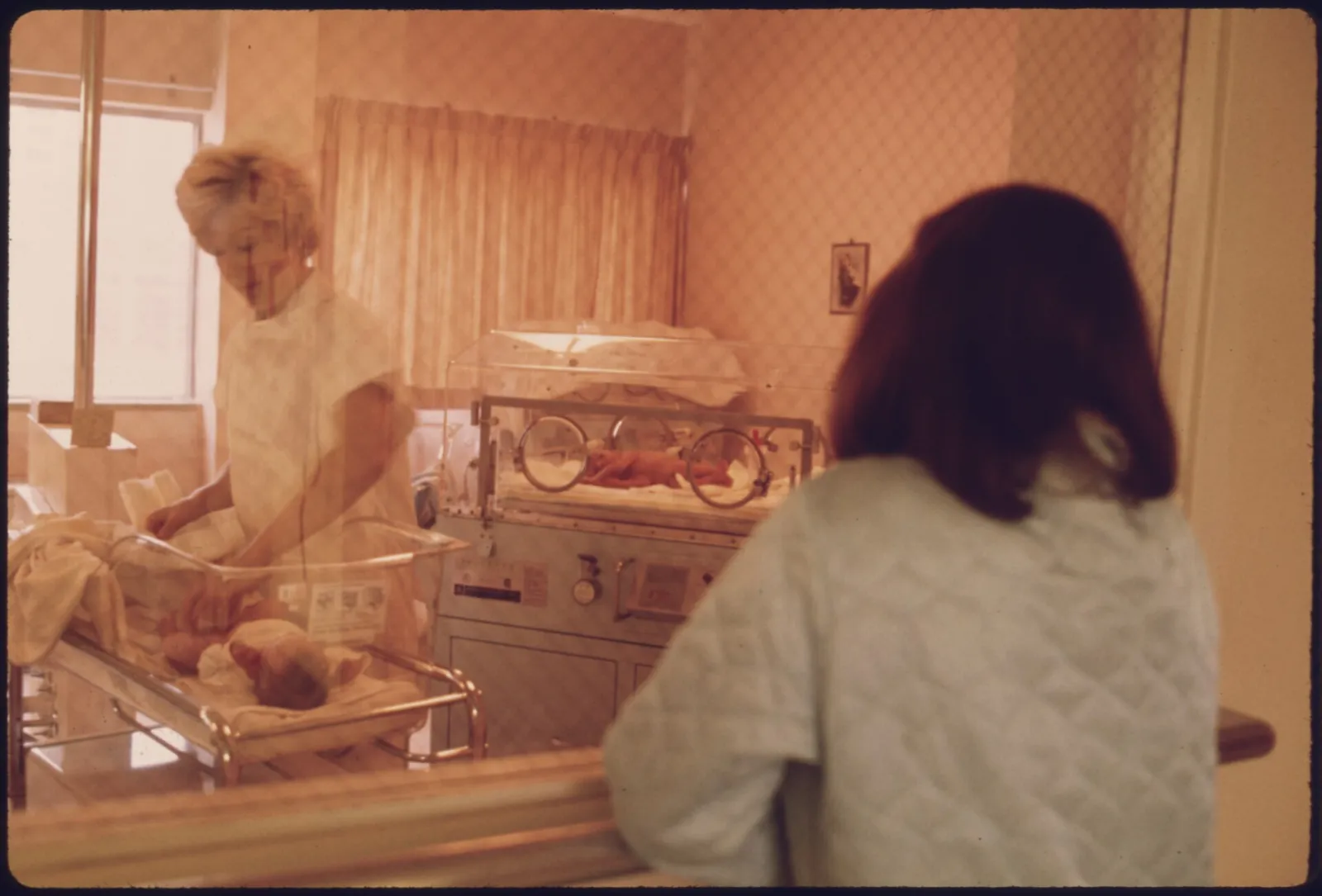
Two babies were born on the same January day in 1988 at a small hospital in Grafton, North Dakota. They were, by all accounts, the only two born there that day. Nearly four decades later, the men those babies became say they went home with the wrong parents, and they are suing the hospital to answer for it.
How they found out
The truth surfaced, as these stories increasingly do, through an ancestry website. A relative's DNA turned up an unexpected match, one that did not fit the family tree as anyone understood it, KKTV reported. That prompted Jeremy Morrison to take his own DNA test, and the result was unambiguous: the people who had raised him were not his biological parents.
The match pointed to Kyle Bylin, who had grown up on a grain farm in North Dakota. The two men had been born hours apart at Unity Medical Center in Grafton on Jan. 26, 1988, according to ABC7, and, the lawsuit contends, had been handed to the wrong mothers before they ever left the building.
Two lives that might have been swapped
Morrison, who settled in southern Colorado, has said he grew up feeling slightly out of place, the odd one out in his family, without ever knowing why. He has reflected on how different his life might have been had he gone home with his biological parents in North Dakota. Bylin, for his part, is said to still have the hospital bracelet that identified him at birth, printed, the families say, with the other baby's name.
The lawsuit, and a paper trail long gone
The two men and their parents have sued Unity Medical Center, alleging negligence and seeking damages. The hospital has denied responsibility. In a statement, it said it sympathized with the families but had "found no evidence to support claims that Unity Medical Center or its staff were responsible for what occurred," and it noted a central difficulty for everyone involved: the records from 1988 no longer exist, and none of the staff from that day still work there.
That absence of documentation may make the case hard to resolve cleanly. What DNA can establish, that the two men were raised by families not their own, is not in serious dispute. What happened in the delivery room 38 years ago, and who if anyone was at fault, may never be fully known.
The wider picture
Cases like this one were nearly impossible to uncover before cheap consumer DNA testing became common; now they surface with unsettling regularity, exposing hospital mix-ups that went undetected for decades. For the families in this case, the science answered one question and opened many more, about identity, about the families they know, and about the ones they might have had.