

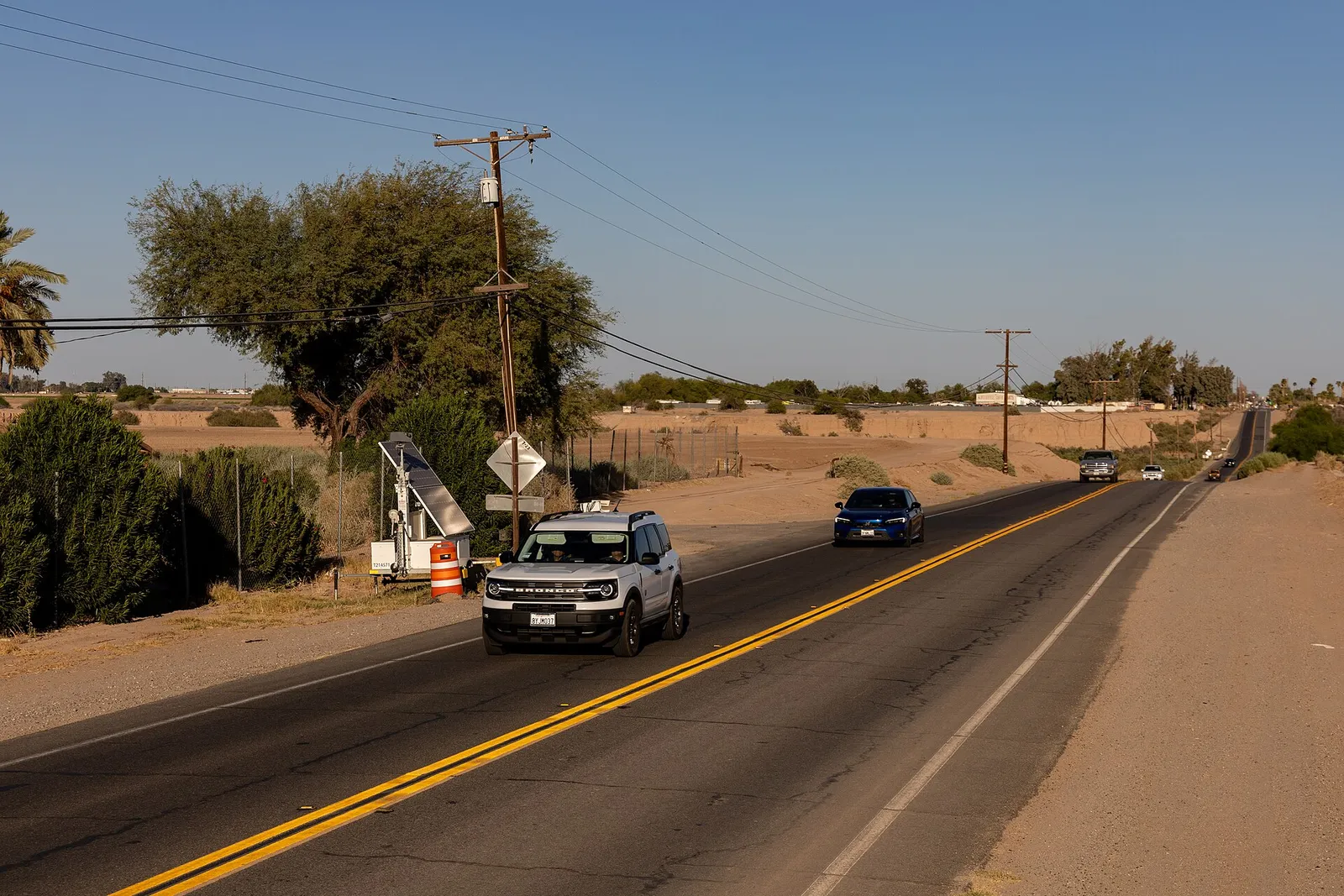
The Los Angeles Police Department is stepping back from a surveillance tool that has drawn growing alarm, its network of automated license-plate cameras.
The decision
The LAPD is ending its agreement with Flock Safety, the firm whose cameras scan and log passing license plates across parts of Los Angeles, ABC7 reported. A department official pointed to "serious concerns around civil liberties and civil rights issues, particularly around privacy and the data that is being collected from these cameras," ABC7 reported. Police have used the readers to track vehicles tied to crimes and locate stolen cars, but the system's reach has become the subject of intense scrutiny.
The privacy worry
The central fear is where the data flows. Automated license-plate readers create a searchable record of where cars, and by extension people, have been, and civil-liberties groups have warned that such databases can be tapped by outside agencies, including federal immigration authorities. The Electronic Frontier Foundation reported in June that Flock's platform could be used to match plates against a federal immigration database, as the group documented. That prospect, amid stepped-up federal immigration enforcement, has driven a wave of cities to reconsider their contracts.
The local push
In Los Angeles, the retreat follows sustained pressure from privacy advocates. The Stop LAPD Spying Coalition campaigned to end the department's use of the cameras, filing public-records requests and arguing that the technology feeds a broader surveillance apparatus that can be turned against immigrants and other vulnerable groups. City officials had also moved to scrutinize and limit the network's expansion.
What happens now
The practical fate of the cameras is not fully settled. Many Flock devices around the city were paid for and are owned by homeowners' associations and private groups rather than the LAPD itself, so ending the police department's agreement does not automatically switch them off. The department has signaled it could still pursue a revised arrangement with stronger privacy safeguards. For now, though, the move is a notable check on the spread of police surveillance in a city that has steadily added to it, and a sign that public pressure over how that data is shared can change course.