


Hundreds of thousands of immigrants who have worked legally in the United States for years are losing that right, and their employers are being told to act.
What happened
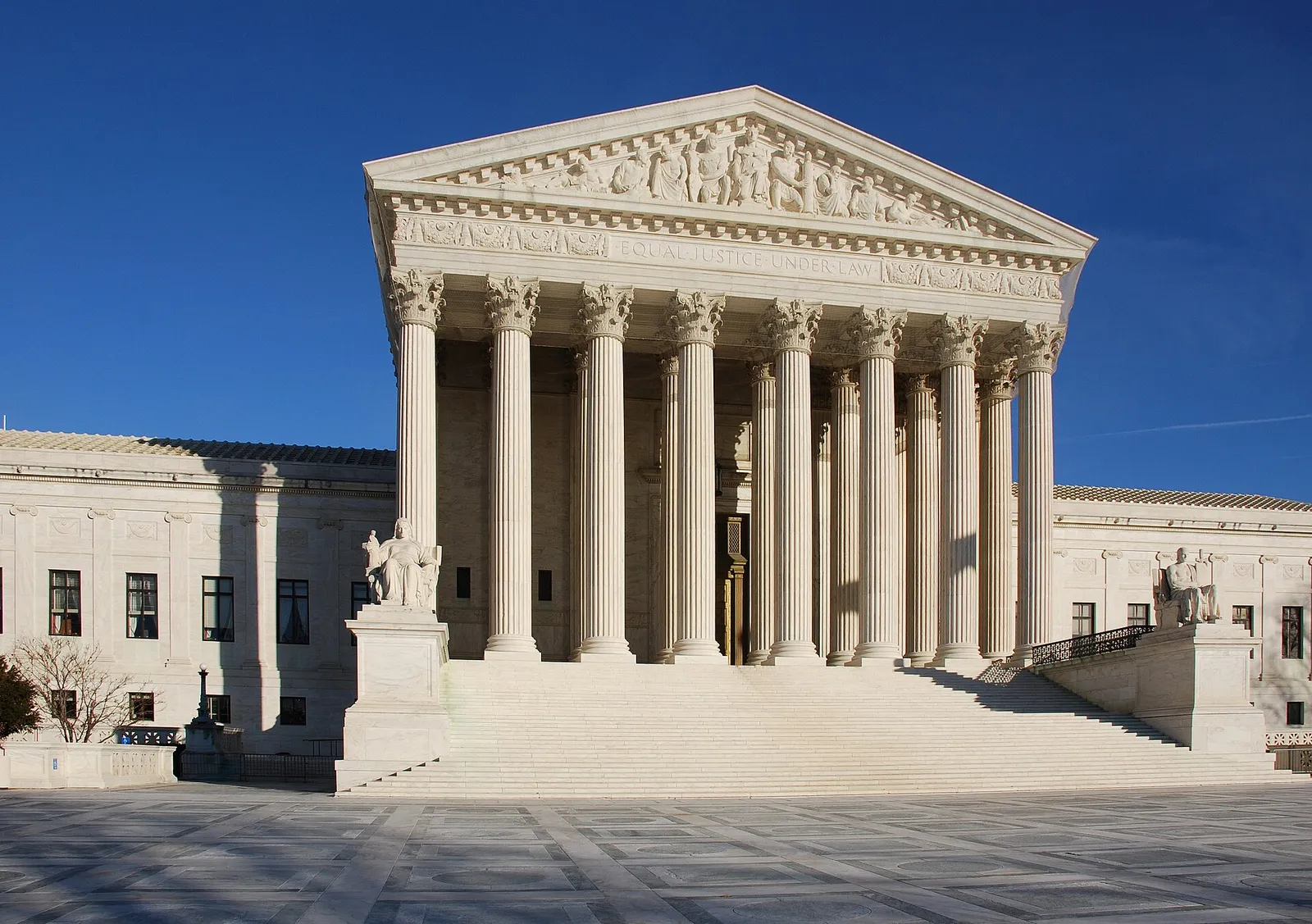
The shift follows a Supreme Court decision, in a case known as Mullin v. Doe, that the courts cannot second-guess the administration's move to end Temporary Protected Status, clearing the way for the terminations to take effect for Haiti and Syria, Al Jazeera reported. TPS had shielded people from countries hit by disaster or conflict from deportation and let them work.
Federal immigration authorities set the work-authorization documents tied to TPS for Haiti and Syria to expire this week, as USCIS guidance shows. Employers were instructed to update their records and reverify affected employees, and those enrolled in the E-Verify system may receive notices flagging workers who are no longer authorized.
The bind for employers
The practical effect is stark. An employee who cannot show valid, unexpired work authorization can no longer be lawfully employed, and keeping that person on the payroll exposes a company to legal risk, immigration attorneys have warned. That leaves employers with a hard choice: confirm a worker has some other basis to stay employed, or let them go.
The rollout has been confusing. The government shifted the placeholder expiration date more than once as litigation moved through the courts, leaving businesses unsure of exactly when authorization lapsed and what counts as good-faith compliance.
The human and economic toll
The people affected are not new arrivals; many have lived in the country for years, built careers and raised families here. They are concentrated in industries like hospitality, food service, home health and construction, sectors that lean on their labor. Business groups have asked Washington for a transition period and clearer guidance to avoid abrupt disruptions, while immigrant advocates have condemned the terminations as cruel to families who followed the rules. One advocacy leader called it "a deeply painful day for hundreds of thousands of families who have built their lives here lawfully, paid taxes, cared for our communities," Al Jazeera reported.
What's next
For now, workers facing the loss of authorization have few good options; alternative paths like asylum or a green card are slow and uncertain. Some in Congress have pushed to extend protections, but no relief has cleared both chambers. The result is a wave of forced job losses playing out in workplaces across the country, and a test of how employers, and the communities that depend on these workers, absorb it.