


Long Beach health officials say a city resident has contracted West Nile virus, the first confirmed human case in California this year, LAist reported. The patient was hospitalized after developing a severe, neuroinvasive form of the illness and is now recovering at home.
The case
No identifying details about the patient have been released, and officials have not pinpointed where the person was likely exposed. The city's health department noted that no West Nile-positive mosquitoes have been detected within Long Beach so far, suggesting the exposure may have happened elsewhere.
How West Nile spreads
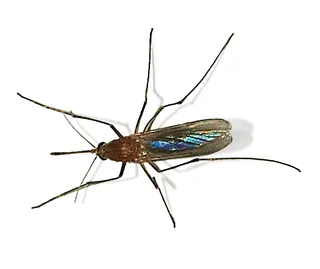
West Nile virus spreads through the bite of an infected Culex mosquito, not from person to person. The mosquitoes typically pick up the virus from infected birds and pass it to humans and horses. Most people who are infected — roughly four in five — never develop symptoms. A smaller share get fever, headache, body aches and fatigue. Fewer than 1% develop the serious neuroinvasive disease seen in this case, which can inflame the brain or spinal cord. People over 50 and those with underlying conditions face higher risk, and there is no vaccine or specific treatment.
A season getting underway
The case arrives as the virus is already circulating around the state. As of late June, California's surveillance program had logged dozens of positive dead birds and well over a hundred positive mosquito samples across more than a dozen counties, according to state data. West Nile season in California typically runs June through October, peaking in the hottest months. Since the virus reached the state in 2003, California has recorded more than 8,000 human cases and over 400 deaths, making it the state's most common serious mosquito-borne disease.
What residents can do
Health officials recommend simple precautions:
- Use EPA-registered repellent (DEET, picaridin, IR3535 or oil of lemon eucalyptus), especially at dawn and dusk when Culex mosquitoes bite.
- Wear long sleeves and pants during peak biting hours.
- Dump standing water — flowerpots, bird baths, pet dishes and clogged gutters can breed mosquitoes in days.
- Repair window and door screens to keep mosquitoes outside.
- Report dead birds to the state West Nile hotline (1-877-968-2473) or at westnile.ca.gov; dead crows, ravens and jays can be an early warning that the virus is active nearby.
Residents with questions about mosquito activity can also contact their local vector control district.