The death toll from the earthquakes that struck Venezuela on June 24 has risen sharply, with officials reporting more than 1,400 people confirmed dead as of Saturday — a figure that has climbed steadily through the week as rescuers reach more collapsed buildings.
A rising count
Venezuela's National Assembly president, Jorge Rodríguez, said the confirmed death toll had passed 1,400 on Saturday, CNN reported, up from a few hundred earlier in the week and roughly 900 reported the day before. More than 3,000 people have been injured, and authorities say large numbers remain unaccounted for, though officials caution that the missing figures are uncertain and likely include people who are simply displaced or unreachable.
The disaster began on the evening of Wednesday, June 24, when a magnitude-7.2 quake was followed less than a minute later by a stronger magnitude-7.5 shock off Venezuela's northern coast. Hundreds of aftershocks have rattled the region since, repeatedly halting rescue work and forcing crews to retreat from unstable structures.
Worst-hit areas
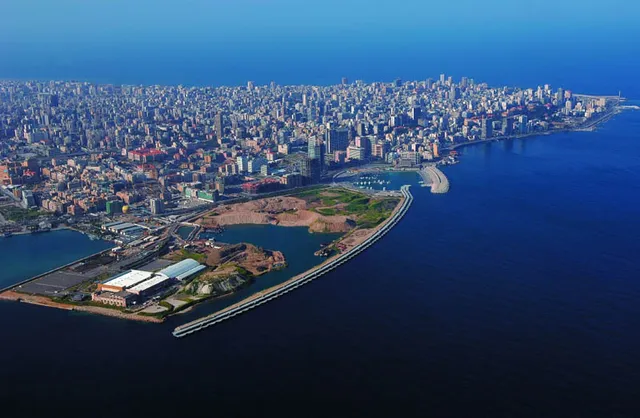
The coastal state of La Guaira, between Caracas and the Caribbean, has been among the hardest hit, with scores of residential buildings reported collapsed. In the capital, damage extended into densely populated and upscale districts alike, including the collapse of a high-rise in the Altamira neighborhood. The country's main international airport near Caracas was damaged and largely shut to commercial flights, complicating the flow of aid.
A global rescue effort, with an LA connection
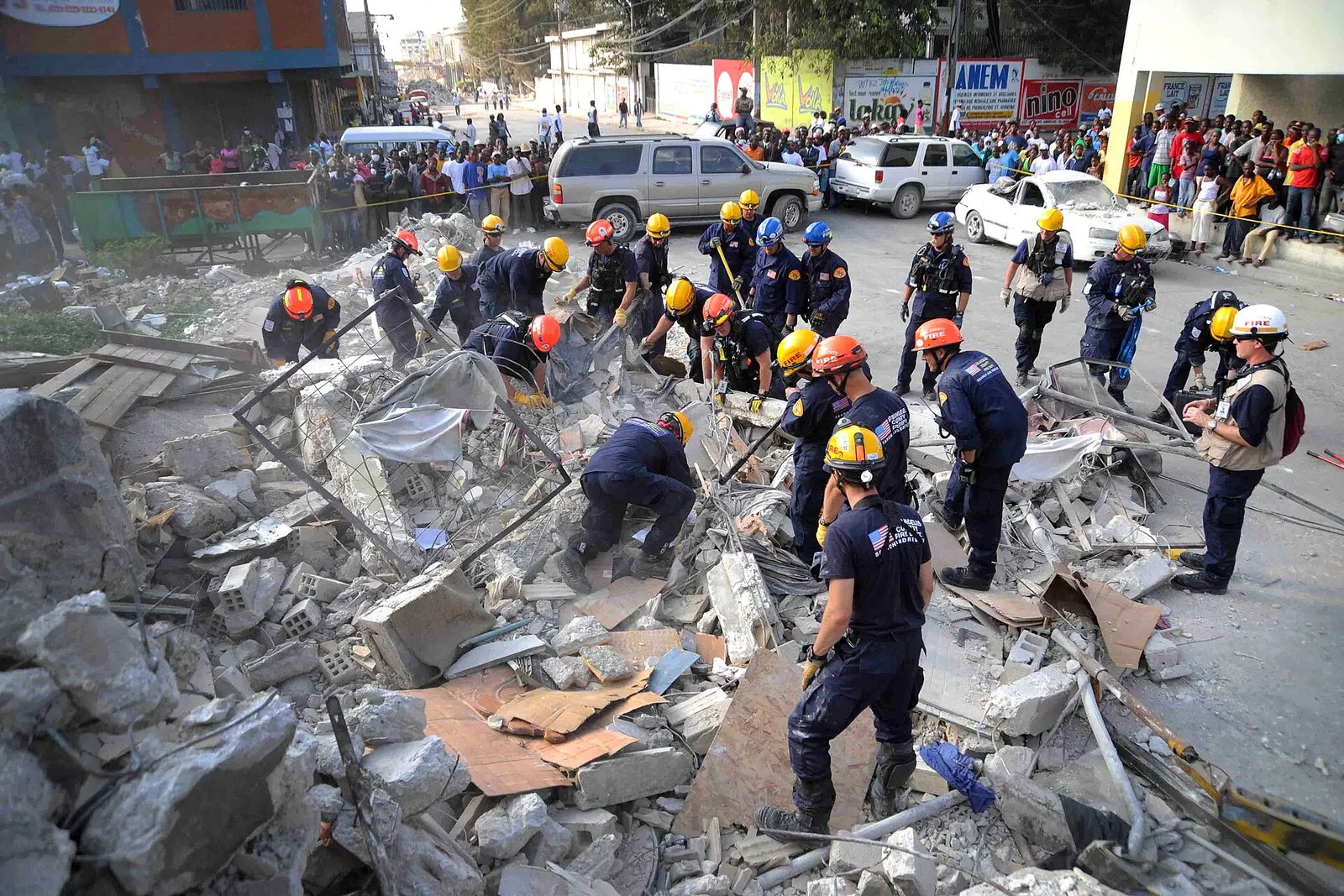
More than 1,600 rescue personnel from over a dozen countries, with scores of search dogs, were operating in Venezuela by the weekend, ABC News reported, citing a United Nations count. The United States is among the contributors: a Los Angeles County-based federal urban search-and-rescue team deployed earlier in the week, and additional U.S. teams have since been activated. The Trump administration has pledged $150 million in relief.
For Southern California readers, the LA County crew is a familiar one — the same kind of specialized team that responds to disasters at home and abroad, trained to tunnel into collapsed concrete in search of the living.
Past the 72-hour mark
Saturday carried the search past the 72-hour window that disaster specialists consider critical, after which the chances of pulling someone out alive drop steeply. Rescuers stressed that survivors have occasionally been found days later, and crews said they would keep digging. But the operation is shifting, gradually and grimly, from rescue toward recovery.
Venezuela's already strained health system has struggled to absorb the influx of injured, with hospitals treating patients in courtyards and parking lots in places, and the government says it has mobilized tens of thousands of personnel to support the response. For thousands of families still waiting for word, the days ahead will bring answers many are dreading.