

For more than two decades, federal law barred Medicare from paying for drugs prescribed purely to help people lose weight. That changes — temporarily — on July 1.
A workaround, not a repeal
The prohibition, written into the 2003 law that created Medicare's prescription drug benefit, is still on the books. But the Centers for Medicare & Medicaid Services has found a way around it for now, launching what it calls the Medicare GLP-1 Bridge — a demonstration program running from July 1, 2026, through the end of 2027. Using a federal demonstration authority, it lets eligible Part D enrollees obtain certain GLP-1 obesity drugs for a flat $50 monthly copay.
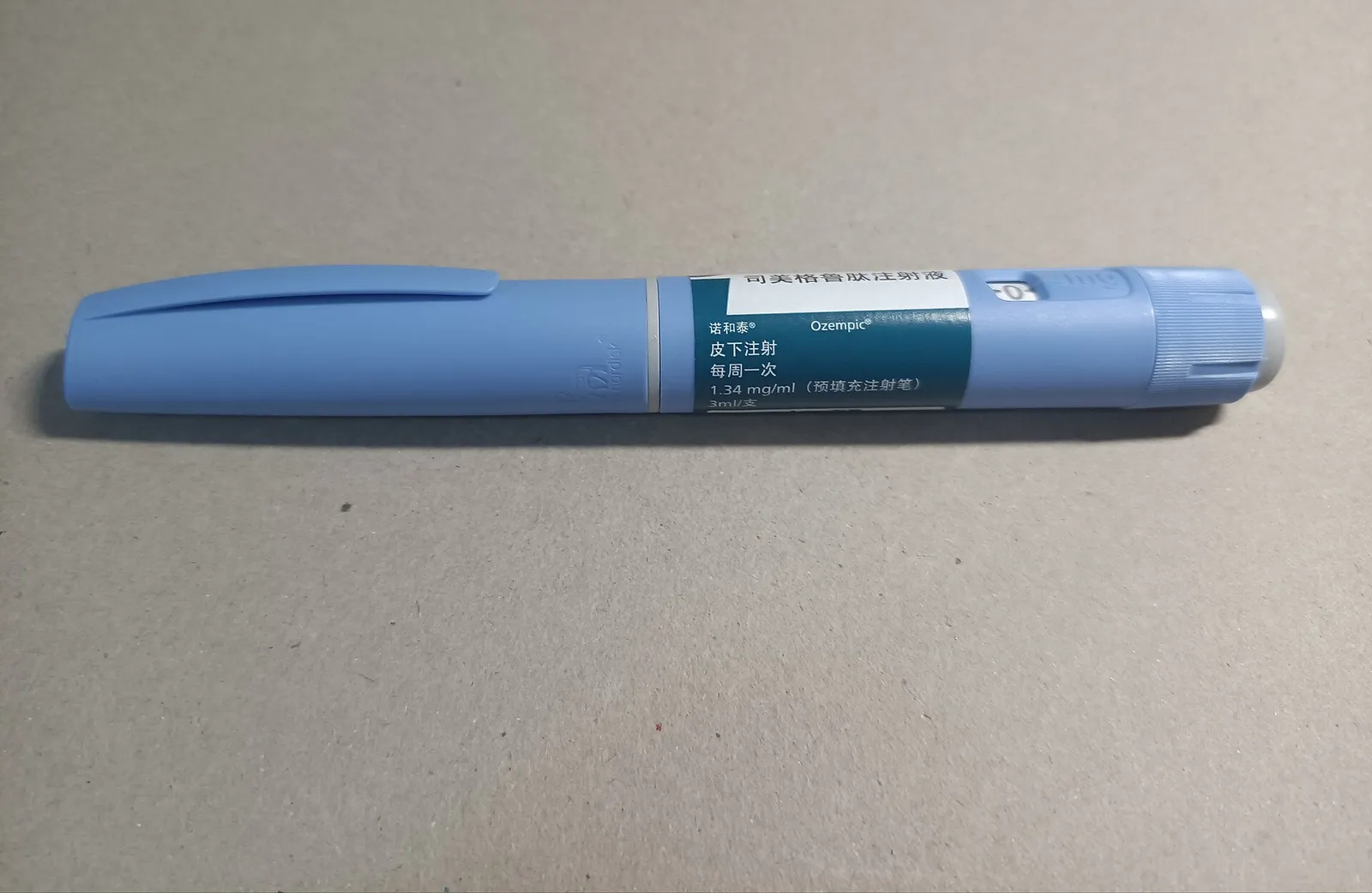
The covered drugs are Novo Nordisk's Wegovy, Eli Lilly's Zepbound, and a newer Lilly oral medication, the agency says. Crucially, this is not coverage for diabetes — GLP-1s like Ozempic have long been covered by Medicare when prescribed for Type 2 diabetes or heart-risk reduction. The Bridge is the first time the program will pay for these drugs specifically for weight loss.
Who qualifies
Eligibility is tied to body mass index and health conditions, according to CMS: a BMI of 35 or higher on its own; a BMI of 30 or higher combined with conditions such as heart failure, uncontrolled high blood pressure or chronic kidney disease; or a BMI of 27 or higher with pre-diabetes or certain cardiovascular conditions. Doctors must submit prior authorization confirming the prescription is for weight management. KFF estimates roughly 14 million Medicare beneficiaries could be clinically eligible.
The catch behind the $50
Fifty dollars a month is far below the roughly $900-and-up retail price of these drugs. But health-policy analysts warn the deal is not as clean as it appears. The $50 copay does not count toward the Part D deductible or the program's $2,400 annual cap on out-of-pocket drug costs, KFF noted — so for someone already taking other costly medications, it is a separate line of spending. And the low-income "Extra Help" subsidy, which cushions drug costs for millions of poorer enrollees, does not apply to Bridge drugs, potentially putting the $50 out of reach for some who need the medication most.
A bridge to where?
The program's name hints at its impermanence. CMS had planned for a longer-term model to take over, but that effort stalled amid weak participation from drug plans, leaving the Bridge extended through 2027 with, as KFF put it, "no clear path forward" for Medicare GLP-1 coverage after that unless Congress acts. A bill to permanently lift the weight-loss exclusion has been introduced repeatedly but has not advanced.
The hesitation is partly about money. The Congressional Budget Office has estimated that permanently letting Medicare cover anti-obesity drugs could cost tens of billions of dollars over a decade — a price tag that has kept lawmakers cautious even as the drugs reshape how the country treats obesity. For now, older Americans who qualify have an 18-month window to get the medications at a steep discount, provided they can clear the paperwork and the fine print.