

A day after Israel, Lebanon and the United States signed a framework agreement meant to chart a path toward an Israeli pullback from southern Lebanon, Israel signaled it is digging in — ordering its military to prepare for what its defense minister called an "extended stay."
Israel's stance
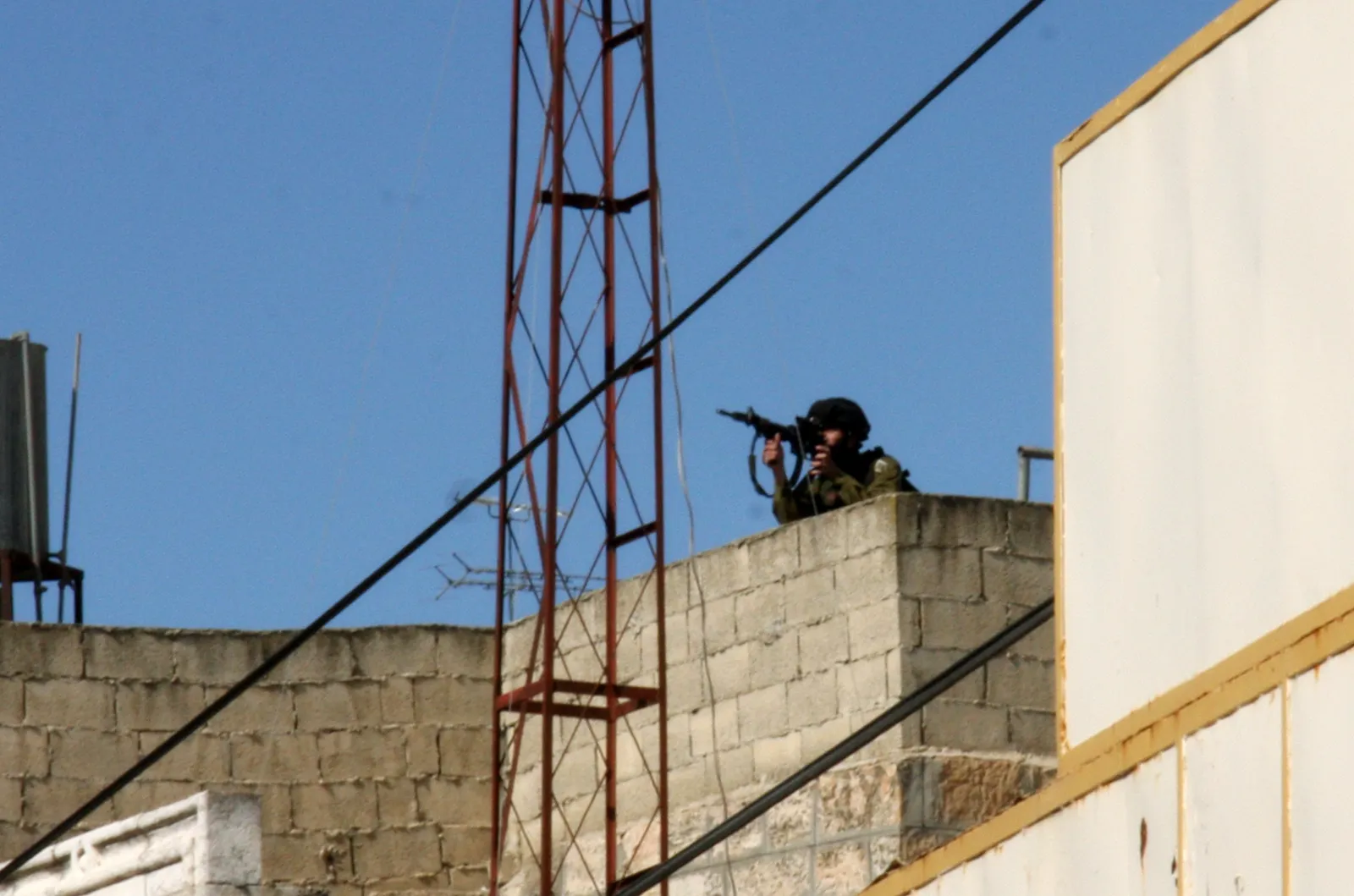
Defense Minister Israel Katz said Israeli forces would keep stationing troops in the security zone it holds in southern Lebanon and "will not withdraw before Hezbollah is disarmed across all of Lebanon," according to remarks reported by Middle East Eye. Prime Minister Benjamin Netanyahu took the same line, saying Israel would hold the buffer zone "as long as Hezbollah has not disarmed" and that protecting Israel's northern communities was the priority. Israeli officials have framed continued presence as leverage rather than a breach of the deal.
What the framework says
The agreement signed June 26, brokered by US Secretary of State Marco Rubio, sets no fixed withdrawal date. Instead it describes a sequenced process in which Israel would redeploy only after the Lebanese army takes over evacuated areas and Hezbollah is verifiably disarmed, Al Jazeera reported. Two pilot zones were designated where the Lebanese army would assume control first, with Israeli forces stepping back from those areas. Israel's ambassador to Washington said any broader withdrawal would hinge on "measurable progress" against Hezbollah's military infrastructure, not a calendar.
That conditional structure is the crux of the dispute: because there is no deadline, critics in Lebanon argue Israel retains effective discretion over whether it ever fully leaves. Israel is reported to occupy roughly a fifth of Lebanese territory and to have built fixed positions in the south, though the Herald could not independently confirm the extent of that construction.
Hezbollah's rejection
Hezbollah has rejected the framework outright. Its leader, Naim Kassem, called the deal "nonexistent" and a "humiliation," said tying any Israeli withdrawal to the group's disarmament crossed "all red lines," and vowed to keep fighting "until Israel is forced to leave Lebanon," PBS NewsHour reported. Another Hezbollah official warned that enforcing disarmament could push Lebanon toward internal conflict. Before the signing, Kassem had demanded Israel leave "unconditionally" — a position fundamentally at odds with the deal's design.
Still no calm on the ground
Despite the agreement, the fighting has not fully stopped. PBS reported an Israeli drone strike near the southern city of Nabatiyeh after the signing, and Israeli operations in border villages have continued. Katz also warned Iran that if it tried to attack Israel "to prevent implementation of the agreement," Israel would respond "with great force."
For residents of southern Lebanon, the gap between a deal hailed in Washington and an open-ended military presence on the ground leaves the future uncertain. Some told reporters the arrangement effectively "legitimized" the occupation; others voiced cautious hope that the Lebanese army's deployment could, eventually, lead to a broader Israeli withdrawal — if the hardest condition of all, Hezbollah's disarmament, can ever be met.