

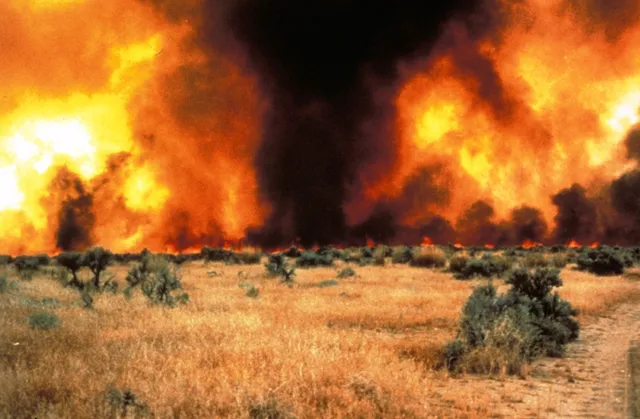
A fast-moving wildfire in the mountains of central Utah has become one of the most destructive in the state's recent memory, burning a beloved ski resort to the ground and pushing across tens of thousands of acres with almost no containment.
A resort gone
The Cottonwood Fire ignited on June 22 in the Fishlake National Forest, east of the town of Beaver, and grew explosively. By June 26 it had burned an estimated 70,000-plus acres across Beaver and Piute counties at zero percent containment, ABC4 reported, with that figure still climbing. Among the losses was Eagle Point Resort, a ski area in the Tushar Mountains that had served southern Utah families for decades; its owner said the buildings were destroyed but reported no known casualties among guests or staff.
Gov. Spencer Cox did not mince words. "There's a very good chance this is already the most destructive fire in the state's history," he said, per KSL. "There's no end in sight to this fire right now."
Evacuations and a first-of-its-kind warning
Authorities ordered mandatory evacuations for several mountain communities, including the area around Eagle Point, with hundreds of homes threatened, KSL reported. Nearby towns farther east were placed on alert as the fire's flank pushed toward lower ground. No deaths or injuries had been confirmed as of this report.
The conditions driving the fire are extreme. The National Weather Service issued a "Particularly Dangerous Situation" red flag warning over the fire area — a designation the Salt Lake Tribune reported had never before been used in Utah — citing strong winds and single-digit humidity. The state is coming off one of its warmest, driest stretches on record, leaving mountain vegetation parched months ahead of the usual peak fire season.
A statewide siege
The Cottonwood Fire is one of several burning across Utah at once, and federal suppression funds have been authorized to fight it. Citing the danger, Gov. Cox moved to restrict consumer fireworks statewide — a notable step days before the Fourth of July — as forecasters warned of little relief ahead.
Why Southern California is watching
The ingredients feeding Utah's fires are familiar to anyone in the Los Angeles Basin: a dry winter, record warmth and wind events that can outrun any firefighting force. The Cottonwood Fire's first 24 hours, when it ballooned by tens of thousands of acres from a single ignition, are a reminder of how quickly drought and terrain can turn one spark into a regional disaster. With Southern California under its own red flag warnings ahead of the holiday weekend, Utah's summer is a preview worth heeding.