

A deportation flight and a catastrophe arrived in the same place within hours of each other. Now more than 100 people are missing in the gap between them.
A flight that landed into disaster
On the afternoon of June 24, a U.S. Immigration and Customs Enforcement deportation flight from Miami touched down in Caracas carrying 146 Venezuelans, among them 19 women and seven children, the Associated Press reported. Within hours, twin earthquakes — magnitudes 7.1 and 7.5, striking about a minute apart along the Caribbean coast — tore through La Guaira state, just north of the capital. The deportees had been taken to a hotel in La Guaira, one of the hardest-hit areas, for medical exams and document processing when the shaking began. More than 100 of the 146 are now missing or unaccounted for, according to the AP. ICE did not respond to the news agency's request for information, and the Herald could not independently confirm the figure.
Survivors describe the collapse
Two women from the flight have spoken publicly. Lisbeth Portillo said she was buried under debris: "I fall and end up buried and covered by a beam," she told the AP, adding, "I was born again; God gave me a second chance. I am traumatized." Jenny Rodriguez said she freed herself with the help of a fellow deportee: "I was trapped under the rubble … I grabbed him by the trousers, and begged for help." For others, there has been only silence. Liliana Rojas said she has been unable to find her partner, who was on the flight. "No one is giving an answer about anything," she said.
Why the missing are so hard to count
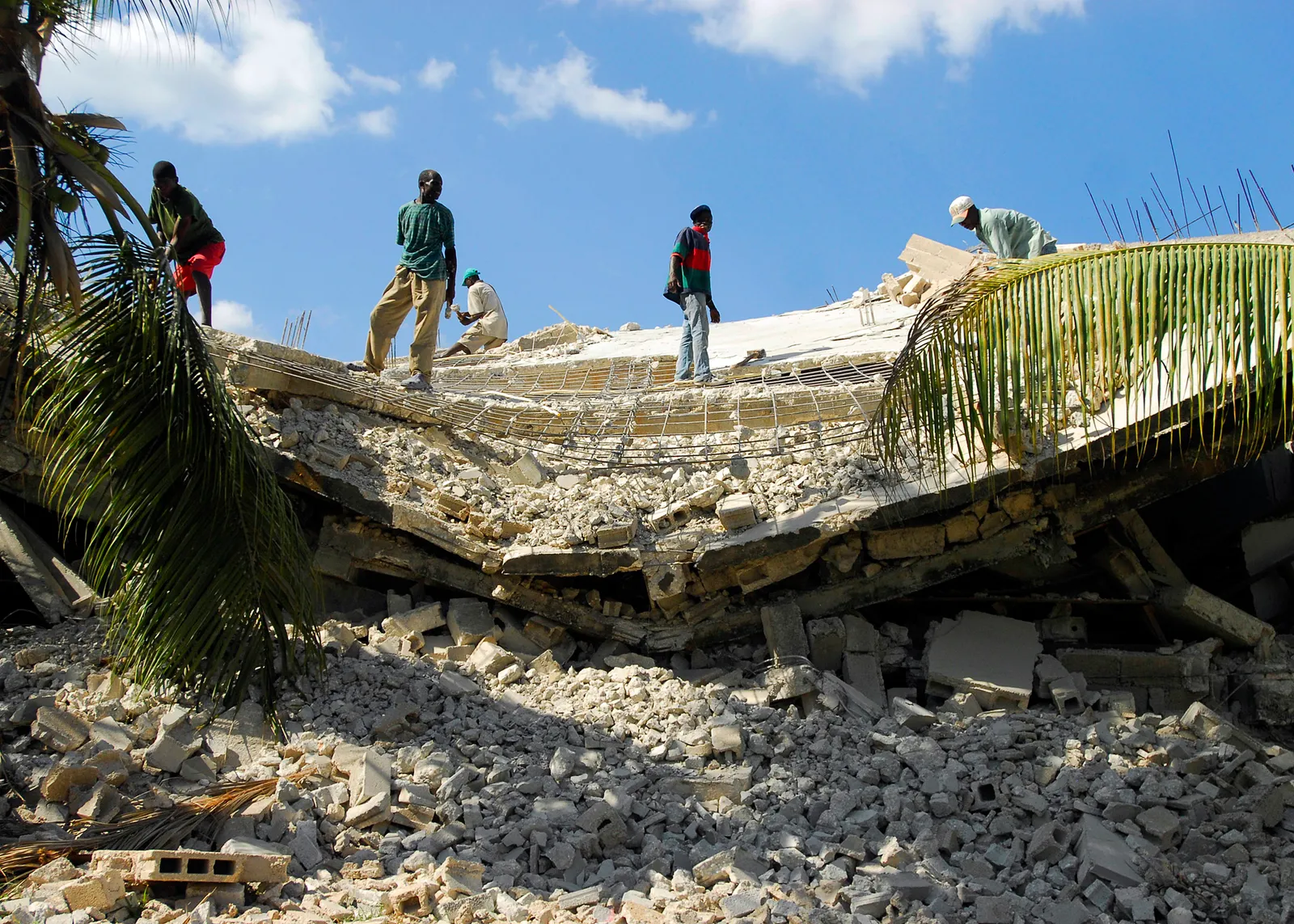
The scale of the disaster makes accounting for the deportees extraordinarily difficult. Venezuelan officials reported more than 1,450 deaths days after the quakes, with thousands wounded and more than 770 buildings collapsed; one missing-persons platform had logged tens of thousands of names. More than 2,600 international rescuers deployed — including roughly 80 firefighters from the Los Angeles County Fire Department — but communication across the worst-hit communities remained badly disrupted, leaving families abroad unable to confirm whether loved ones are alive. No U.S. agency has released a passenger manifest or confirmed the status of anyone on the flight, and no deaths among the deportees have been officially confirmed.
A policy collides with a catastrophe
The flight was part of a broader enforcement push. U.S. deportation flights to Venezuela resumed in February 2025 after a 13-month pause, and a dozen operated in May 2026 alone, according to data the AP cited from Human Rights First's flight-tracking project. The acceleration followed the administration's termination of Temporary Protected Status for hundreds of thousands of Venezuelans — a policy shift the Herald has covered — that stripped legal protection from people who had been shielded from removal for years. Critics say the earthquake has thrown the human cost into sharp relief, and advocates are pressing ICE to release the flight's manifest and work with Venezuelan authorities to locate those still missing. For now, families and advocates say, they are left waiting.