For carmakers, the difference between a 16-year extension and a year-to-year review is the difference between planning and guessing.
A deadline passes
On July 1, U.S. Trade Representative Jamieson Greer said Washington would not sign on to the scheduled long-term extension of the United States-Mexico-Canada Agreement, CNBC reported. The deal stays in force but now enters a schedule of mandatory annual reviews through 2036, with any party able to exit on six months' notice — trading long-horizon certainty for a pact perpetually open to renegotiation.
Why the industry depends on it
No sector is more woven into USMCA than autos. A finished vehicle's parts may cross North American borders several times before assembly, and to qualify for the deal's tariff-free treatment a vehicle must meet strict "rules of origin" — currently 75 percent North American content, plus wage and steel requirements, Automotive News reported. The Trump administration wants to raise that bar higher, to 82 percent, with half a vehicle's value required from the U.S. specifically. Analysts note few current models clear even the existing threshold, so tighter rules would force costly retooling.
Tariffs already bite
The uncertainty stacks on top of levies already in place. A 25 percent tariff on imported vehicles and parts, imposed under a national-security trade provision in 2025, gave USMCA-qualifying goods only a partial exemption. "Building vehicles in Canada is costing manufacturers billions in tariff costs. It's not sustainable," Brian Kingston of the Canadian Vehicle Manufacturers' Association said.
Idled plants, frozen plans
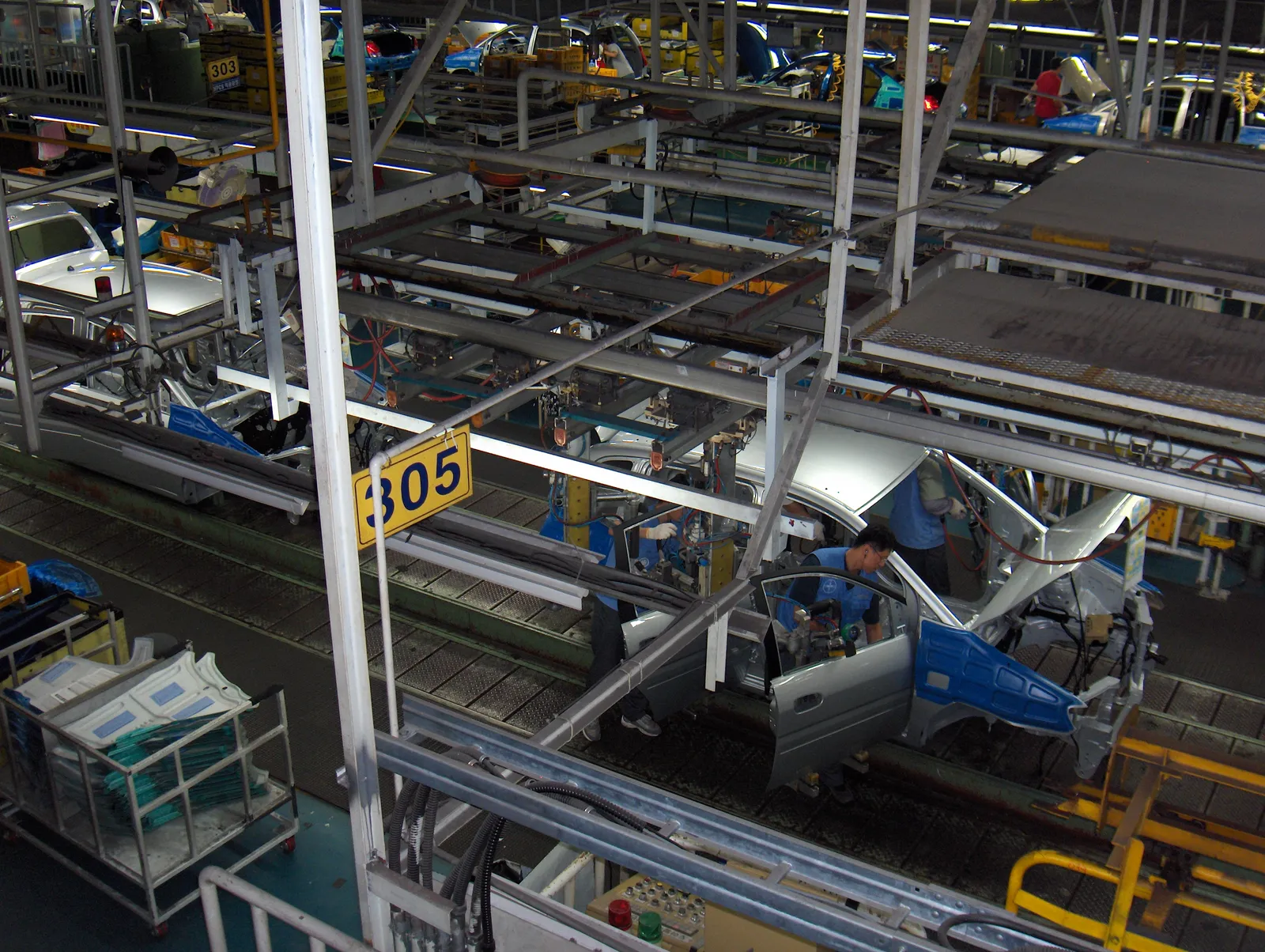
The stakes are visible on the factory floor. General Motors' CAMI assembly plant in Ontario closed in late 2025, and Stellantis' Brampton plant has sat idle for more than a year, The Globe and Mail reported; analysts said decisions about reopening or reassigning production hinge on the trade talks. "It would be very difficult for them to announce anything until USMCA negotiations are finished," said Sam Fiorani of AutoForecast Solutions.
A persistent headwind
Economists see the annual-review structure itself as a drag. "Uncertainty prevails, and that's a negative for decision-making for businesses," said Tony Stillo of Oxford Economics, calling the cycle "a big headwind" for investment. With formal U.S.-Mexico talks set for the week of July 20 and Canada still pressing for a longer deal, automakers are left to plan around the one thing the industry can no longer count on: a stable rulebook. For now, they have the promise only of another conversation next year — and the year after that.