


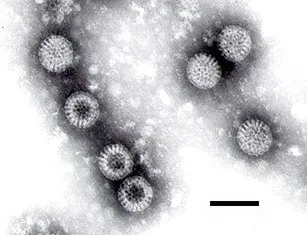
A highly contagious stomach virus has been circulating at notable levels across the San Francisco Bay Area, with wastewater monitoring pointing to communities including San Jose, Fremont, Redwood City and Marin County as among the hardest hit, NBC Bay Area reported. San Francisco, Sunnyvale, Novato and Palo Alto have shown more moderate levels.
The virus is rotavirus, and its spread regionally is part of a broader national rise that public-health experts say has been building for months.
What rotavirus does
Rotavirus spreads easily through the fecal-oral route — by contact with contaminated surfaces or unwashed hands — and tends to hit infants and young children hardest. It typically begins with a day or two of fever and vomiting, followed by watery diarrhea that can persist for several days. The main danger is dehydration, which can become serious quickly in small children.
"It lives in the gut, and you pass it by the stool and you pass it by touching things without washing hands," Dr. Peter Chin-Hong, an infectious-disease specialist at UCSF, told NBC Bay Area. Adults often have milder symptoms, or none at all, but can still spread the virus.
A vaccination slide
Experts tie the resurgence in part to declining immunization. National rotavirus vaccination coverage has drifted down over several years to roughly 74% of children, according to The Advisory Board — below the level needed for strong community protection. A 2026 federal move to drop the rotavirus vaccine from the recommended childhood schedule, later placed on hold by a court, has added to confusion among some parents, the outlet reported.
The stakes are well documented. The CDC estimates the vaccine prevents tens of thousands of infant and young-child hospitalizations each year, and that before it was widely used, rotavirus caused tens of thousands of hospitalizations and dozens of deaths annually in the United States.
How to protect a household
There is no specific antiviral treatment for rotavirus; care focuses on preventing dehydration through fluids and oral rehydration solutions. The CDC recommends infants receive a rotavirus vaccine on schedule. For everyone, thorough handwashing with soap and water — especially before eating and after using the bathroom or changing diapers — remains the most effective everyday safeguard.
Parents whose children develop severe or prolonged diarrhea, particularly with signs of dehydration such as reduced urination, dry mouth or unusual drowsiness, should seek medical care promptly.