

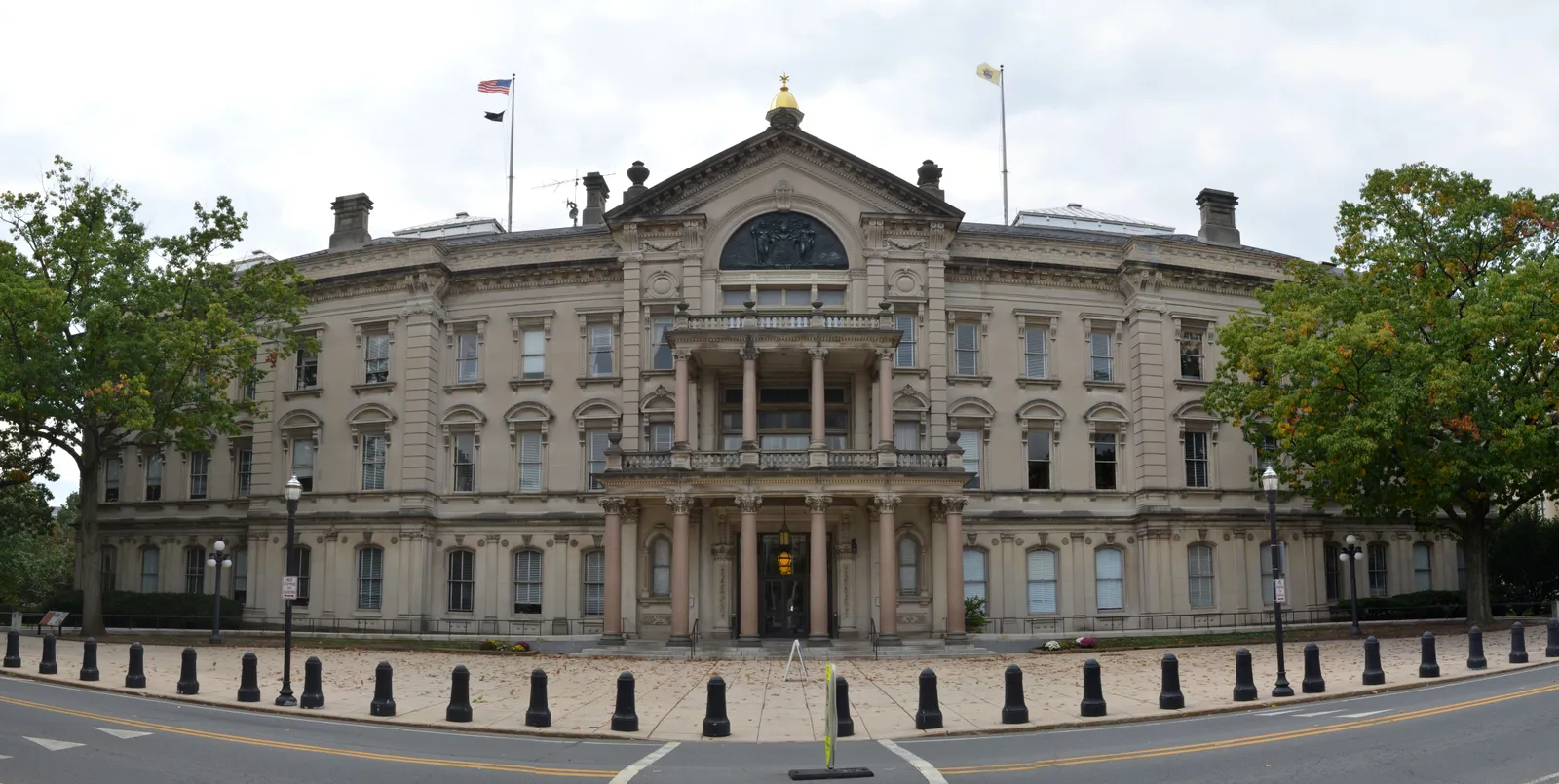
The first budget of a new governor is a statement of priorities. Mikie Sherrill's is also the biggest New Jersey has ever passed.
A record plan
Sherrill — a Democrat, former U.S. representative and Navy veteran who took office in January — signed a $60.7 billion budget for fiscal 2027 around the state's June 30 constitutional deadline, her office said. It is the largest in state history, up roughly $1.7 billion from the prior year, and she cast it as an exercise in restraint after years of pandemic-era growth. "This budget is the most fiscally responsible in years, focused squarely on making life more affordable for New Jerseyans," she said.
Where the money goes
The plan's centerpiece is about $4.2 billion in property-tax relief — the most in state history, her office says — through the ANCHOR rebate, the Senior Freeze, and the Stay NJ program for retirees, though Stay NJ was scaled back from earlier ambitions and its eligibility tightened toward lower-income seniors, NJBIZ reported. The budget also fully funds the school-aid formula with a record sum for K-12 and preschool, pays for new NJ Transit rail cars and buses, and adds money for affordable housing and an expanded child tax credit, while continuing a full pension payment of more than $7 billion.
How it balances
Facing a projected structural gap, Sherrill pledged not to raise the personal income tax. To close the shortfall, the administration leaned on roughly $2 billion in spending cuts — including stripping out district-specific legislative add-ons — and about $700 million in new corporate revenue from closing tax breaks and imposing fees on large employers whose workers rely on Medicaid. The final deal cuts the structural deficit in half and keeps a roughly $6 billion surplus, which Democrats framed as a cushion against possible federal cuts to Medicaid and food aid.
The opposition
The Assembly passed the budget 58-20 along party lines, Insider NJ reported, with Republicans united against it. They criticized it as more "tax and spend," warned that state spending has climbed sharply over the past decade, and objected to what they called a lack of transparency in negotiations conducted privately before last-minute votes. Some also called the Stay NJ relief a "gimmick" and questioned school-aid allocations. Democratic leaders, including the Senate president and Assembly speaker, defended the plan as fiscally responsible and affordability-focused. For Sherrill, the budget is an early marker of how she intends to govern a high-cost state under pressure from Washington — and a first test of the criticism she will face doing it.