The world's most important oil chokepoint is open again — but on terms no shipper fully trusts.
A fraction of normal traffic
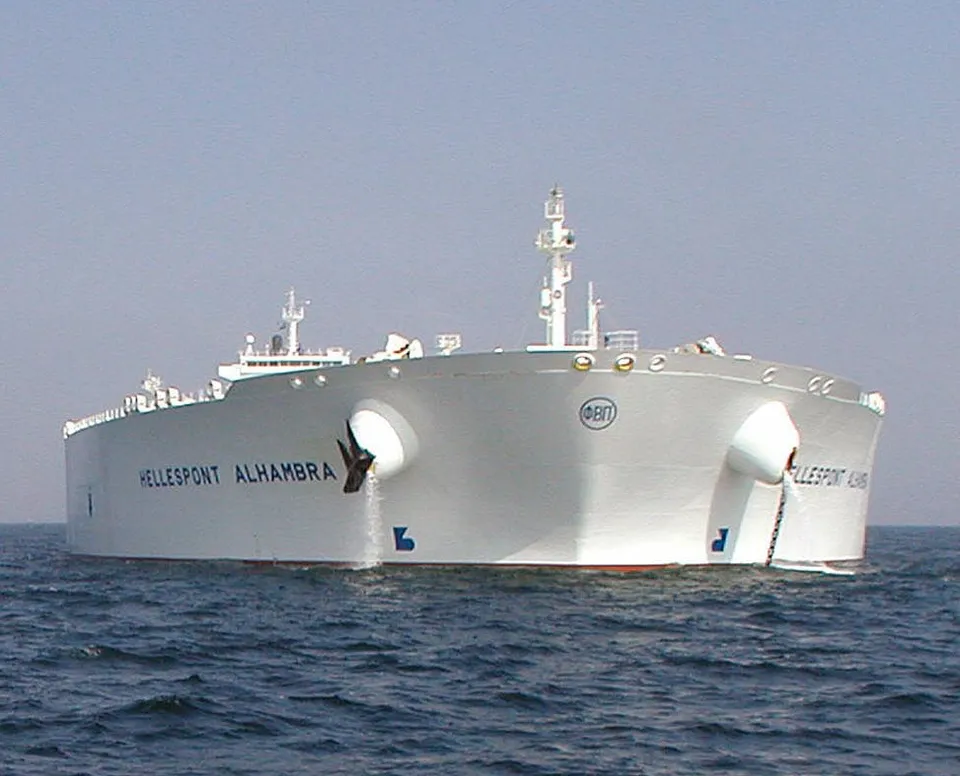
Before this year's war, roughly 120 to 140 vessels a day threaded the Strait of Hormuz, the 21-mile-wide passage through which about a fifth of the world's oil moves. Months after U.S. and Israeli strikes on Iran and the disruption that followed, traffic has returned to only a fraction of that, Al Jazeera reported. The precise daily count varies by tracker, but maritime analysts agree on the picture: a controlled, partial flow rather than a return to normal.
Iran's 'new rules'
Tehran has moved to assert lasting control over the waterway. Iran has set up an authority requiring transiting ships to file detailed declarations — covering ownership, crew, cargo and insurance — and to obtain a permit before passing, Euronews reported, a system that has included fees some operators say they have paid. Legal experts say the demands run against the UN Convention on the Law of the Sea, under which ships enjoy "transit passage" through international straits that no coastal state can unilaterally revoke or charge for. Iranian officials have signaled the strait "will never return" to its prewar arrangements. Last week the Islamic Revolutionary Guard Corps rejected a new corridor proposed by Oman with the International Maritime Organization as "unacceptable and dangerous" because Tehran had not been consulted, Al Jazeera reported; soon after, a cargo ship using that route was struck by a projectile, which U.S. officials blamed on Iran.
The insurance weapon, and GPS darkness
For shipowners, the risk shows up first in the cost of cover. War-risk insurance premiums for a Hormuz transit have surged many times over their prewar levels, The National reported, and several marine insurers have pulled back from the route entirely, leaving some large tankers waiting rather than sailing. Electronic interference has compounded the danger: large numbers of ships in the Gulf have reported GPS and tracking-signal jamming that places them, falsely, miles from their real positions. Operators who switch off their transponders to avoid identification risk collisions; those who leave them on risk handing over targeting data.
A fragile truce
The backdrop is a ceasefire that has held unevenly. In mid-June, the United States and Iran signed a memorandum to halt hostilities and reopen the strait, suspending Iran's transit fees for a 60-day window — the same framework behind the Doha talks the Herald has tracked, where U.S. and Iranian delegations remain at odds over nuclear inspections. Oil markets have reflected the uncertainty: Brent crude spiked sharply during the worst of the fighting and has since eased back toward the mid-$70s a barrel as tankers began moving again. Whether the trickle through Hormuz becomes a steady flow now depends on whether Iran's "new rules" are accepted, contested or set aside — and on what emerges from Doha.