


Sri Lanka is fighting its latest dengue epidemic from the air, sending drones over the capital to find the standing water where mosquitoes breed — a high-tech twist on a very old public-health problem.
An outbreak nearly double last year's
The island has recorded tens of thousands of dengue cases in 2026, with national health data putting the count well above 45,000 — close to double the tally for the same period last year — and dozens of deaths, AFP reported. Hospitals in the Western Province, which includes Colombo, have borne the brunt, and admissions have run high enough to strain beds.
Eyes in the sky
In response, the government authorized an unusual mobilization of the armed forces. The Sri Lanka Air Force is flying drones over high-rise buildings and densely packed neighborhoods, using aerial imaging to spot rooftop water tanks, blocked drains and other pockets of still water that ground-level inspectors cannot see, according to LankaWeb. When a breeding site is flagged, the property's owner is notified and ordered to clear it or risk a fine. Soldiers, sailors and air-force personnel have joined public-health inspectors and volunteers in the campaign, which began in Colombo and has expanded around the country.
Why standing water is the enemy
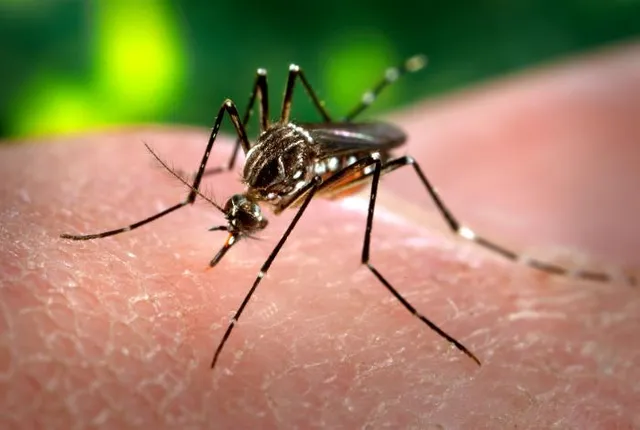
The mosquito that spreads dengue, Aedes aegypti, needs only a tiny amount of still water to reproduce — a bottle cap's worth in a flower pot, a discarded tire or a clogged gutter. Females lay their eggs just above the waterline, and larvae hatch within days of rain, so a single overlooked container can produce a swarm in about a week. That is precisely why aerial surveillance is useful: a drone's camera can find the water that a walking inspector never would.
Dengue also comes in four viral strains. A first infection is often mild, but a later infection with a different strain can turn severe and, in some cases, deadly — a dynamic that drives the recurring, sometimes catastrophic outbreaks seen in countries where the disease is endemic.
A global problem getting worse
Sri Lanka's crisis is one piece of a much larger trend. The World Health Organization flagged a global surge in dengue in 2023 and 2024, with Brazil alone recording millions of cases. Researchers increasingly tie the spread to a warming climate: higher temperatures and longer rainy seasons let Aedes mosquitoes survive in more places and breed for more of the year, Inside Climate News reported, citing a Stanford analysis that attributed millions of additional annual cases to climate change.
Alongside the drones, Sri Lankan officials have said they plan further measures, including releasing mosquitoes carrying Wolbachia — a naturally occurring bacterium that sharply reduces the insects' ability to transmit the virus. Whether the combined effort can bend the outbreak's curve remains to be seen, but in a country where the monsoon arrives like clockwork, getting to the water before the mosquitoes do may be the fastest tool at hand.