

A pillar of the modern regulatory state — agencies designed to operate at arm's length from the White House — was substantially dismantled in a single decision.
What the Court decided
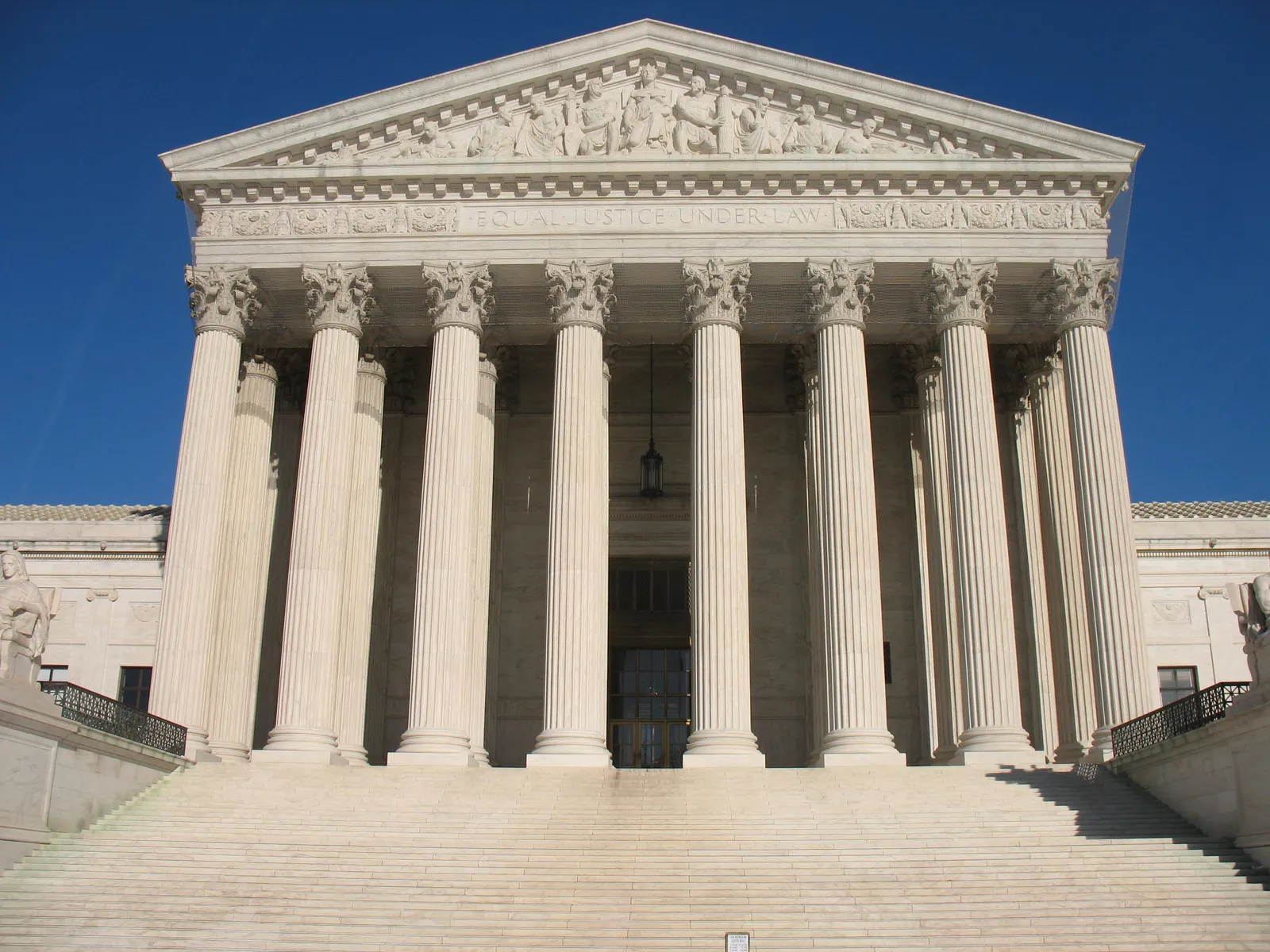
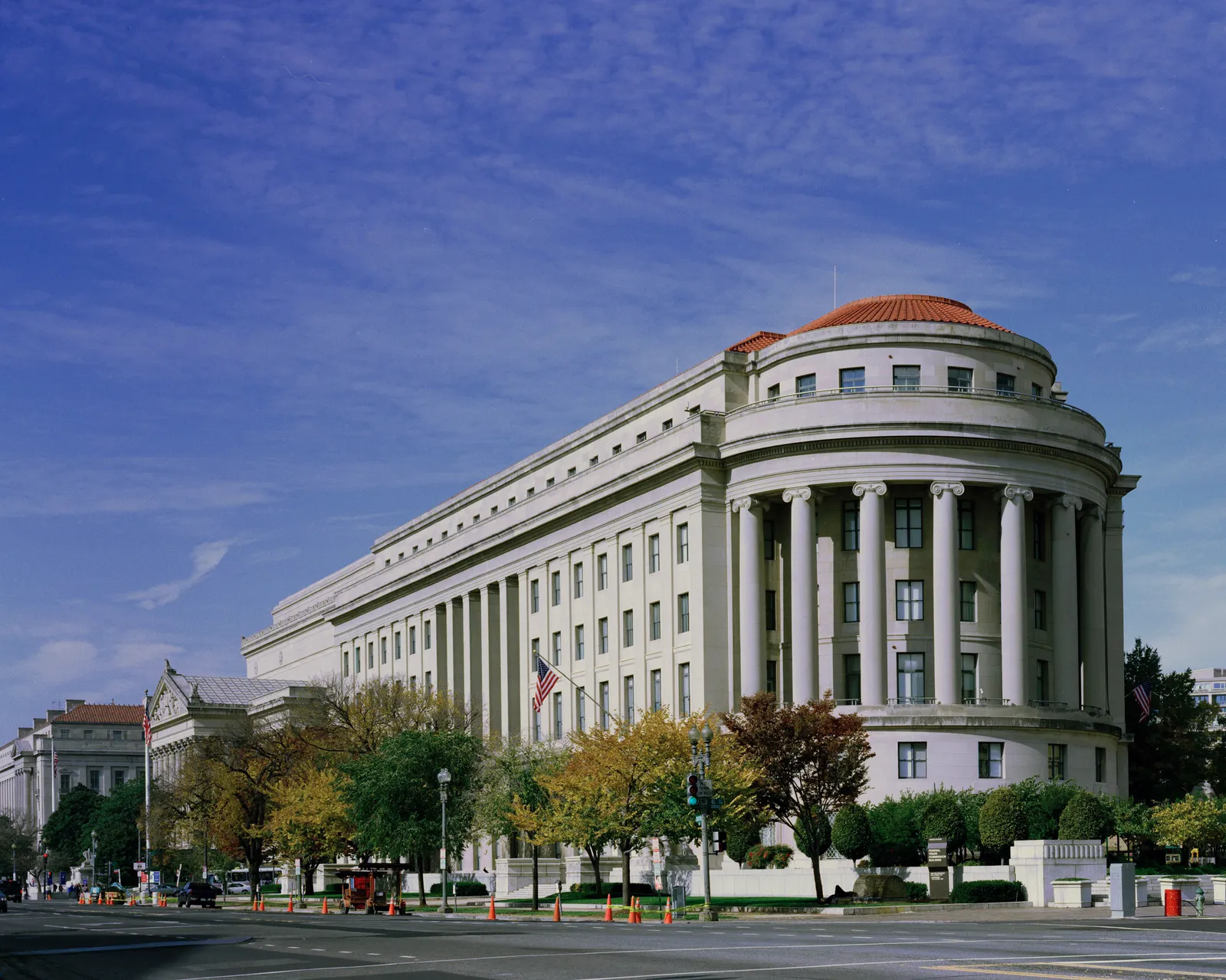
In Trump v. Slaughter, the Court held that the federal law protecting Federal Trade Commission commissioners from removal except for cause is unconstitutional, meaning the president may dismiss them without stating any reason, SCOTUSblog reported. The case grew out of Trump's 2025 firing of FTC Commissioners Rebecca Kelly Slaughter and Alvaro Bedoya, which lower courts had blocked. Chief Justice John Roberts wrote the 6-3 majority, joined by the Court's other Republican-appointed justices.
A 91-year precedent falls
The ruling explicitly overruled Humphrey's Executor v. United States (1935), in which the Court had upheld Congress's power to insulate FTC commissioners from at-will removal and blessed the very idea of independent, multi-member regulatory agencies, NPR reported. The majority's reasoning rests on the "unitary executive" theory: because FTC commissioners wield executive power, they must answer to the president, who is constitutionally charged with executing the laws. Officials under the president's administrative control, Roberts wrote, must be removable by the president at will.
'Chaos will follow'
Justice Sotomayor read her dissent aloud from the bench — a rare signal of deep disagreement — joined by Justices Elena Kagan and Ketanji Brown Jackson. "Chaos will follow," she wrote, arguing the decision hands the executive a power the Founders never intended and "reshapes our Government." The dissenters warned that a long list of bodies — among them the National Labor Relations Board, the Consumer Product Safety Commission, the Nuclear Regulatory Commission and the Federal Energy Regulatory Commission — could now see their members serve at the president's pleasure, exposing expert regulation to political pressure.
The Federal Reserve question
In a separate order the same day, the Court temporarily blocked Trump from removing Federal Reserve Governor Lisa Cook while litigation continues, and the majority suggested the Fed might retain a measure of independence by virtue of its distinct historical tradition — a carve-out that leaves the central bank's ultimate status unsettled. Markets had watched the cases closely for any sign the Fed's insulation from presidential control was at risk.
What it means
Independent agencies were built in part to keep technical decisions — over competition, labor, product safety, energy — at a remove from short-term politics. The ruling calls that design into question for most of them. Supporters, including the administration, called it a vindication of the president's constitutional authority over the executive branch. Critics, including Democratic senators, said it would chill enforcement that displeases the White House and inject instability into agencies millions of Americans rely on. How far the decision reaches will be tested in the lower-court fights now sure to follow.