

A surveillance technique that quietly reshaped American policing now has to answer to the Fourth Amendment.
The ruling
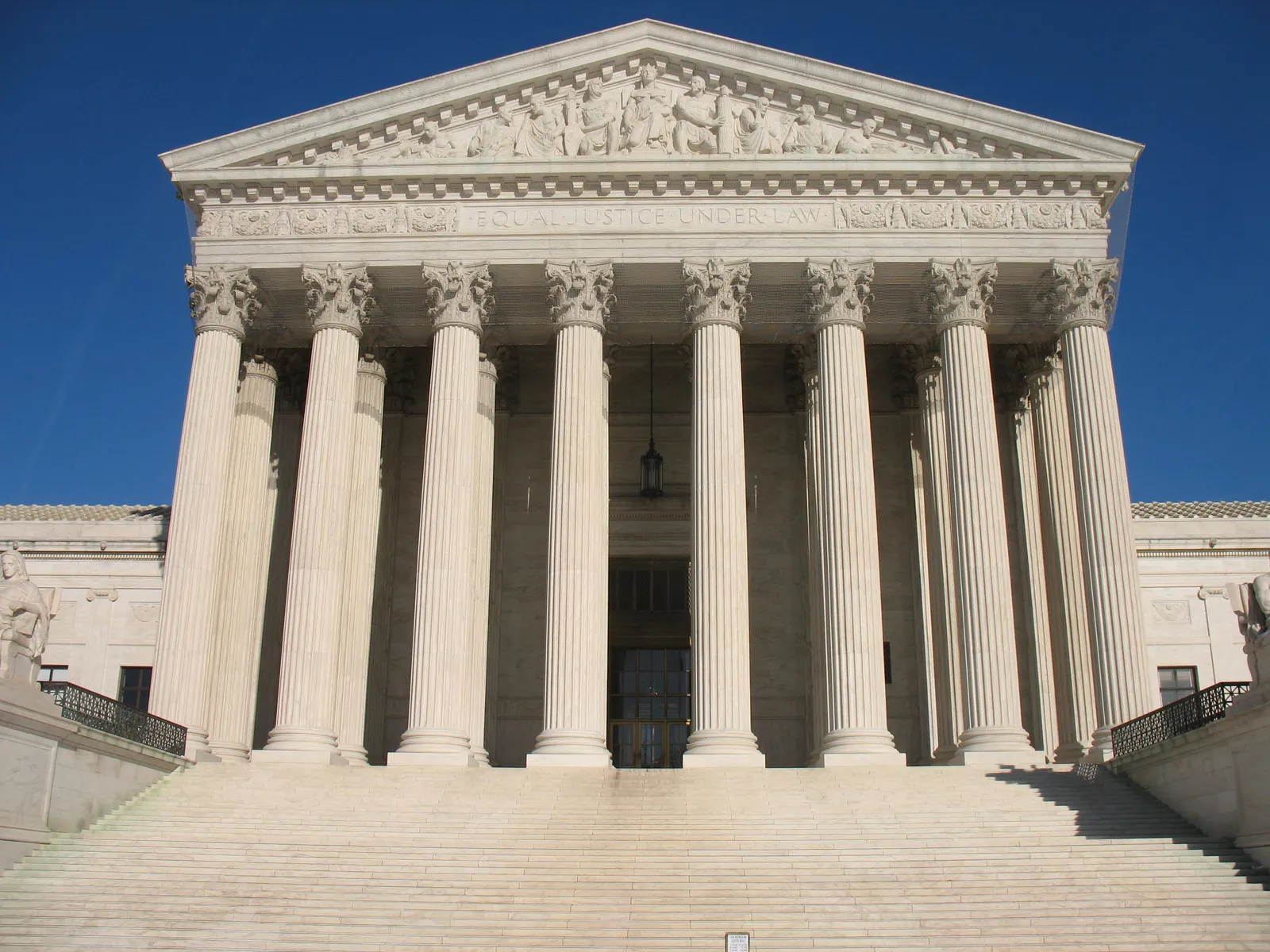
In a 6-3 decision in Chatrie v. United States, the Court held that obtaining a person's location data from Google through a geofence warrant is a search under the Fourth Amendment, SCOTUSblog reported. The justices vacated a lower-court ruling and sent the case back to determine whether this particular warrant was reasonable — stopping short of declaring geofence warrants categorically unconstitutional, but raising the legal bar for their use. Justice Elena Kagan wrote for the majority; Justice Neil Gorsuch agreed with the result on different reasoning, and Justice Samuel Alito led the dissent.
What a geofence warrant is
Geofence warrants — sometimes called reverse-location warrants — compel a company such as Google to identify every device present within a defined geographic area during a set time window. Police have used them in cases ranging from bank robberies to the January 6, 2021, Capitol breach, tapping the vast location histories that tech firms collect. Critics have long argued the technique sweeps up the data of innocent bystanders who merely happened to be nearby, raising the prospect of dragnet surveillance.
The case, and the reasoning
The dispute arose from a 2019 armed bank robbery near Richmond, Virginia. Investigators obtained a geofence warrant directing Google to produce records for every device within about 150 meters of the bank during the robbery; the data led to Okello Chatrie, who was convicted and then challenged the search. The majority grounded its analysis in the 2018 precedent Carpenter v. United States, which held that obtaining historical cell-site records mapping a person's movements is a search. Kagan extended that logic to geofence demands, reasoning that people retain a reasonable expectation of privacy in records of where their phone has been — data that can reveal visits to a doctor, a lawyer or a place of worship — even when a third party holds it.
The dissent
Alito, in dissent, warned that the decision would unsettle Fourth Amendment doctrine, arguing the long-standing "third-party doctrine" — under which information voluntarily shared with a company loses constitutional protection — should have controlled. The split reflects a deeper, unresolved debate on the Court about how privacy law should adapt to a world in which Americans constantly generate detailed digital trails.
What it means
The ruling does not bar police from seeking geofence warrants, but it means every such request now faces Fourth Amendment scrutiny: courts will have to weigh whether a warrant's geographic scope and time window are appropriately narrow, a standard that will be worked out case by case. The decision lands as Google has already begun changing how it stores location history, limiting the data available for future demands; cellular carriers and data brokers that hold similar records may face comparable exposure. Privacy advocates hailed the outcome as a landmark digital-age protection, while law-enforcement groups warned it could slow investigations in which location data has proven critical.