

Texas has become the first state in the country to require public school students to read passages from the Bible, after the State Board of Education approved a new statewide reading list that will reach more than five million children.
What the board approved
The board voted 9-5, with one abstention, on Friday, June 26, to adopt a revised list of required texts under the state's curriculum standards, CNN reported. The list runs to roughly 200 titles — essays, books and excerpts — and includes specific Bible passages assigned by grade level.
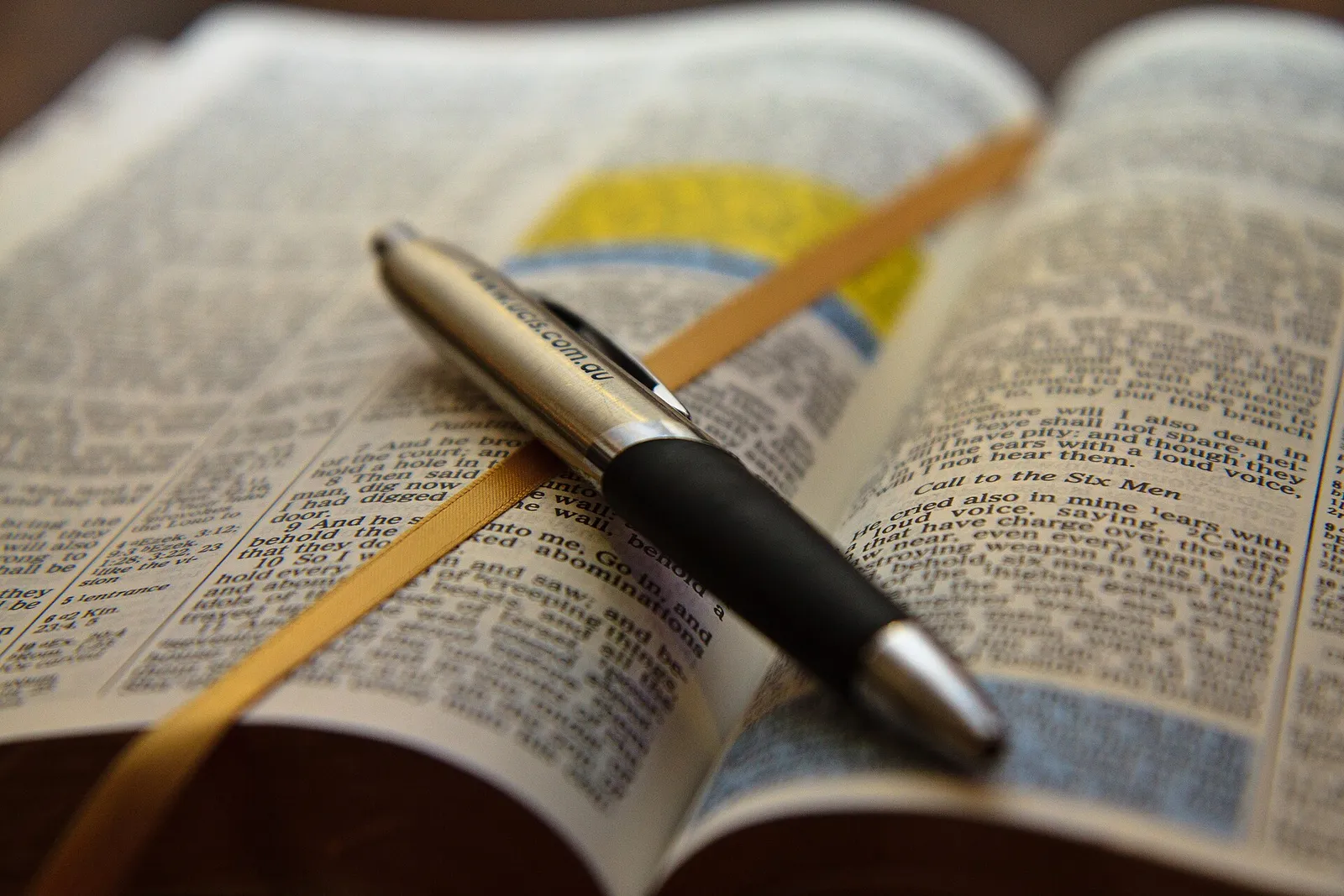
Under the plan, elementary students would encounter a picture-book version of the David and Goliath story, while older students would read passages including the story of Adam and Eve, sections from the Book of Exodus and the 23rd Psalm, according to ABC News. The changes begin phasing in during the 2030–31 school year and apply across the state's public schools.
The board, controlled by Republicans, split largely but not entirely along partisan lines. Member Evelyn Brooks was the lone Republican to vote against the list, saying during debate that she believed the move was "unconstitutional."
The case for it
Supporters argue that the Bible is woven so deeply into Western history, art and literature that students cannot fully understand those subjects without it, and that including scripture as literary and historical material is different from religious instruction. Several board members and witnesses framed the passages as cultural literacy rather than devotion, and the advocacy group Texas Values cast the effort as a defense against attempts to "erase any mention of religion or the Bible from the classroom," KUT reported.
The case against it
Opponents counter that a mandatory reading list weighted toward Christian scripture amounts to the state endorsing one faith over others. Critics — including the Freedom From Religion Foundation, the Texas Freedom Network and several clergy who testified — argued that the list favors Christianity, that public schools should teach about religion rather than teach religion itself, and that the prescribed passages draw heavily on Protestant translations, raising the question of whose version of the text the state is privileging. They warned the policy invites a First Amendment challenge.
A contested legal backdrop
The vote lands in an unsettled legal environment. A federal appeals court earlier in 2026 upheld a Texas law requiring Ten Commandments displays in classrooms, while a similar Louisiana law was struck down as unconstitutional in 2025 — leaving courts divided over how far states may go in bringing religious texts into public education. No lawsuit over the reading list had been filed as of the vote, but legal challenges are widely expected well before the 2030 rollout.
For now, Texas has set a national precedent. Whether it survives the courtroom is the next question — and one that other states weighing similar measures will be watching closely.