Miguel Rojas was with the Los Angeles Dodgers, far from home, when the earthquakes hit Venezuela. His wife and two children were in Caracas.
Two blocks from collapse
His family had traveled to the capital for ordinary reasons — a passport renewal, paperwork for the children's Venezuelan citizenship — when the quakes struck the country's northern coast in late June, the Los Angeles Times reported. They were close enough to feel the worst of it.
"Literally two blocks away from where my family was, two buildings collapsed, the whole building," Rojas said. Their own building shook so violently they had to flee into the night. "They were lucky to get away before everything else happened," he said, describing a staircase that held just long enough for them to get out.
They survived. "I'm really lucky to have my family still alive," Rojas said, according to ABC7.
Far away, and trying to get closer
Rojas, who was born in Venezuela, said he is in daily contact with his family and is working to bring them to the United States, Dodger Blue reported. The distance is its own kind of weight. "I still really feel that I'm so far from them right now," he said.
He is far from the only one. Roughly 100 Venezuelan-born players populate Major League Baseball rosters, and the disaster has rippled through clubhouses across the league. Rojas's teammate Edgardo Henriquez also had relatives in Venezuela during the quakes; both players said their families are safe.
A tribute on the field
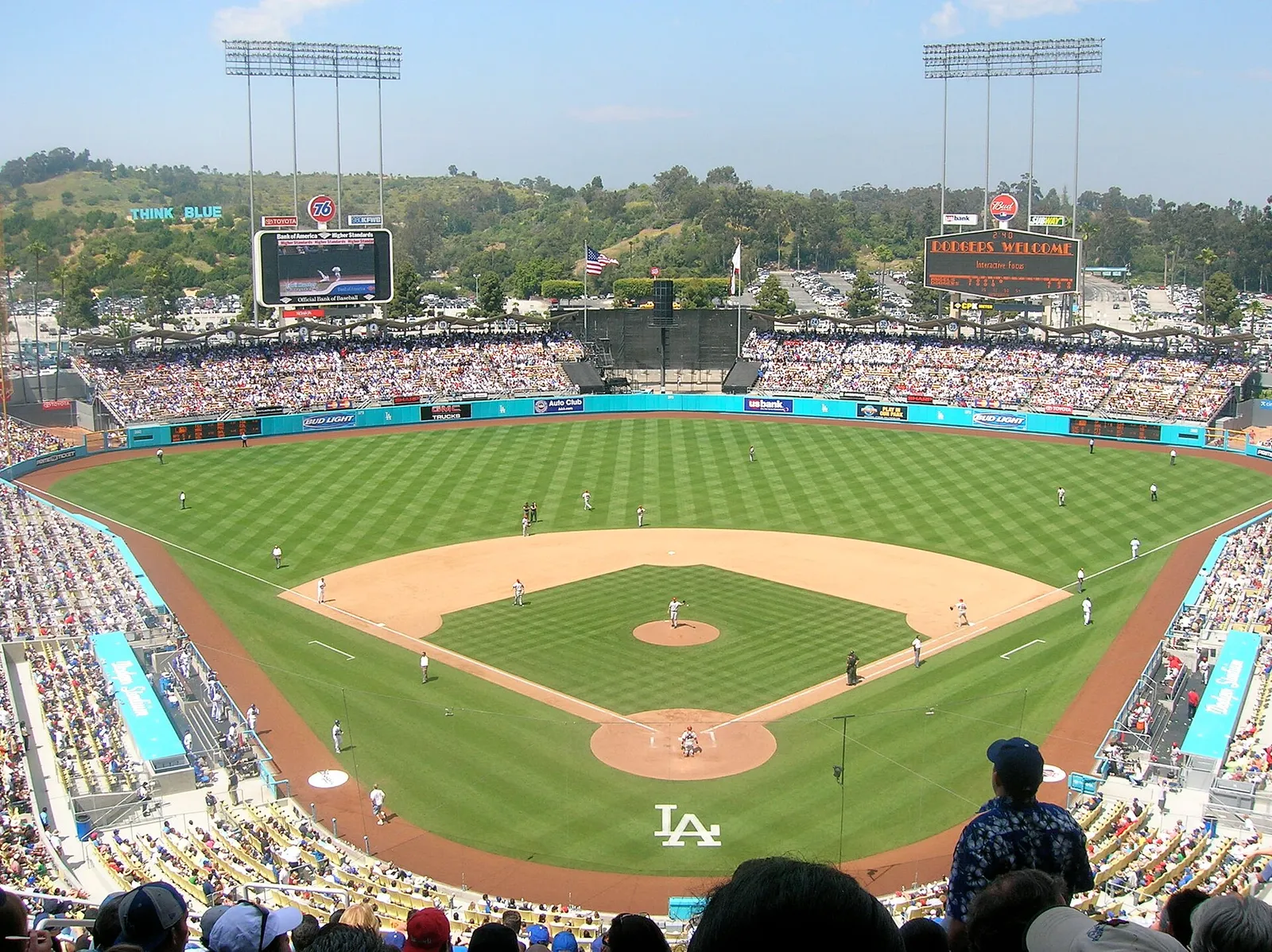
Over the weekend, the Dodgers and the visiting San Diego Padres wore "VZ" decals on their caps in tribute to the victims — a small gesture that Rojas said carried real weight. "That means a lot, because it brings awareness," he said.
He was thinking, too, of those who were not as fortunate. "It's really tough to see teammates lose family members," he said. "It's really devastating."
The toll back home
Venezuelan officials have reported more than 1,400 people killed in the earthquakes, with thousands injured and many more displaced, as rescue crews work through collapsed buildings along the northern coast and around Caracas. For Rojas, the numbers are not abstract. They are measured in the two blocks that separated his family from the buildings that fell — and in the daily phone calls he makes across an ocean while he waits to bring them home.