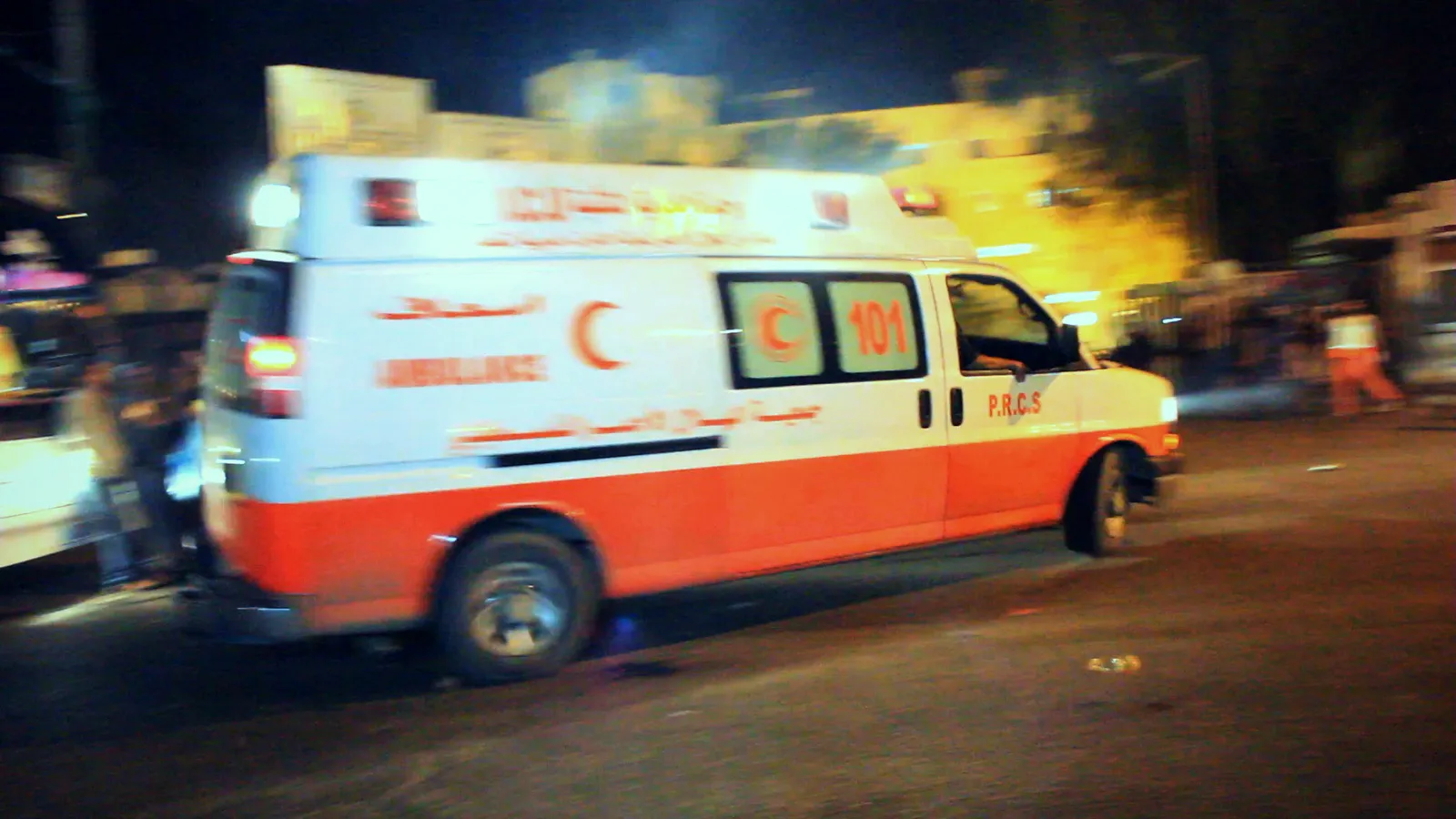
More than a year and a half into the collapse of Gaza's health system, thousands of its sickest residents are caught in a bottleneck that aid agencies say is measured in lives: they need medical care abroad, and they cannot get out.
The scale of the backlog
The World Health Organization says more than 18,000 patients — including roughly 4,000 children — are waiting to be evacuated from Gaza for treatment unavailable in the territory, the United Nations reported. Among them are cancer patients, some of whom the UN says have waited more than two years, with about 4,000 on critical waiting lists.
The cost of the delay is counted in deaths. The UN's humanitarian office, OCHA, has cited figures from Gaza's Ministry of Health recording more than 1,200 patient deaths among people awaiting evacuation since Israel took control of the Rafah crossing in 2024. Aid workers say patients continue to die each week while their referrals sit unprocessed.
A crossing that opens and closes
Rafah, Gaza's lifeline to Egypt, has functioned only intermittently. Israel reopened it in a limited "pilot" phase in February 2026, and the military body that oversees crossings, COGAT, said the reopening would be coordinated with Egypt and the European Union, with travelers passing through layered security screening run by Egyptian authorities, an EU border mission and Israeli forces. Israel has said the screening is necessary to prevent militants from leaving Gaza.
But the flow has been a fraction of the need. OCHA reported that the numbers allowed through fell far below expectations, citing the intensive screening process, and the crossing has closed repeatedly since — including a shutdown in March that Israel attributed to security concerns. Before the war, aid groups say, 50 to 100 patients left Gaza for treatment on a typical day.
Coordination breaks down
The evacuation effort suffered a further blow in April 2026, when the WHO suspended its coordination of medical transfers after one of its contractors was killed, the agency said, in Israeli fire. The suspension stripped away the main mechanism for organizing safe transport out of the territory.
Some patients have still made it out through other channels. Doctors Without Borders (MSF) says it helped evacuate 147 patients to countries including Jordan, Switzerland and Spain — a number the group itself frames as a small fraction of those in need. MSF has also said its ability to coordinate was curtailed after Israel moved to deregister it and other aid organizations operating in the territory.
The human arithmetic
At the current pace, aid agencies estimate it would take years — by some accounts five to ten — to evacuate everyone on the critical lists. For patients with advancing cancers, degenerative diseases or conditions requiring specialized equipment that no longer exists in Gaza, that timeline is, in practical terms, no timeline at all. The figures behind the crisis are contested in their particulars and difficult to verify independently amid the war, but the WHO, the UN and medical charities agree on its shape: far more people need to leave than are being allowed to, and the gap is being counted in the dead.