Two statements were made about the same subject within roughly a day, and they do not describe the same situation.
What Trump said
On Saturday evening, on social media, President Trump wrote: "I have agreed, for the future benefit of the WORLD and, likewise, the survival of a successful and prosperous Iran, to cancel the attack, subject to being able to rapidly make a DEAL," ABC7 reported.
He named two conditions: the immediate and complete opening of the Strait of Hormuz, and an end to Iran's nuclear threat.
Note the grammar of that sentence. The cancellation is stated as done. The deal is stated as a condition of it. Those are different tenses doing different work, and the second one has not happened.
What Iran said
Esmail Baghaei, the Iranian foreign ministry spokesperson, said the Strait of Hormuz "will in no way return to the status it was before February 28th."
Iran's defense minister said the country was "neither surprised nor passive" and remained watchful of American threats.
That is not agreement to Trump's first condition. It is a rejection of it, stated publicly, in the same news cycle.
What is actually being negotiated
Something narrower, and with a different country.
Iran and Oman are talking about a new maritime route through the strait. Foreign Minister Abbas Araghchi said those negotiations are "on the way to being finalised," according to Al Jazeera.
Baghaei described the aim this way: "We are now going to reach an understanding on a route acceptable to both sides, neither the northern route nor the southern route, but one that respects the sovereign rights of both sides and safeguards our national interests and security."
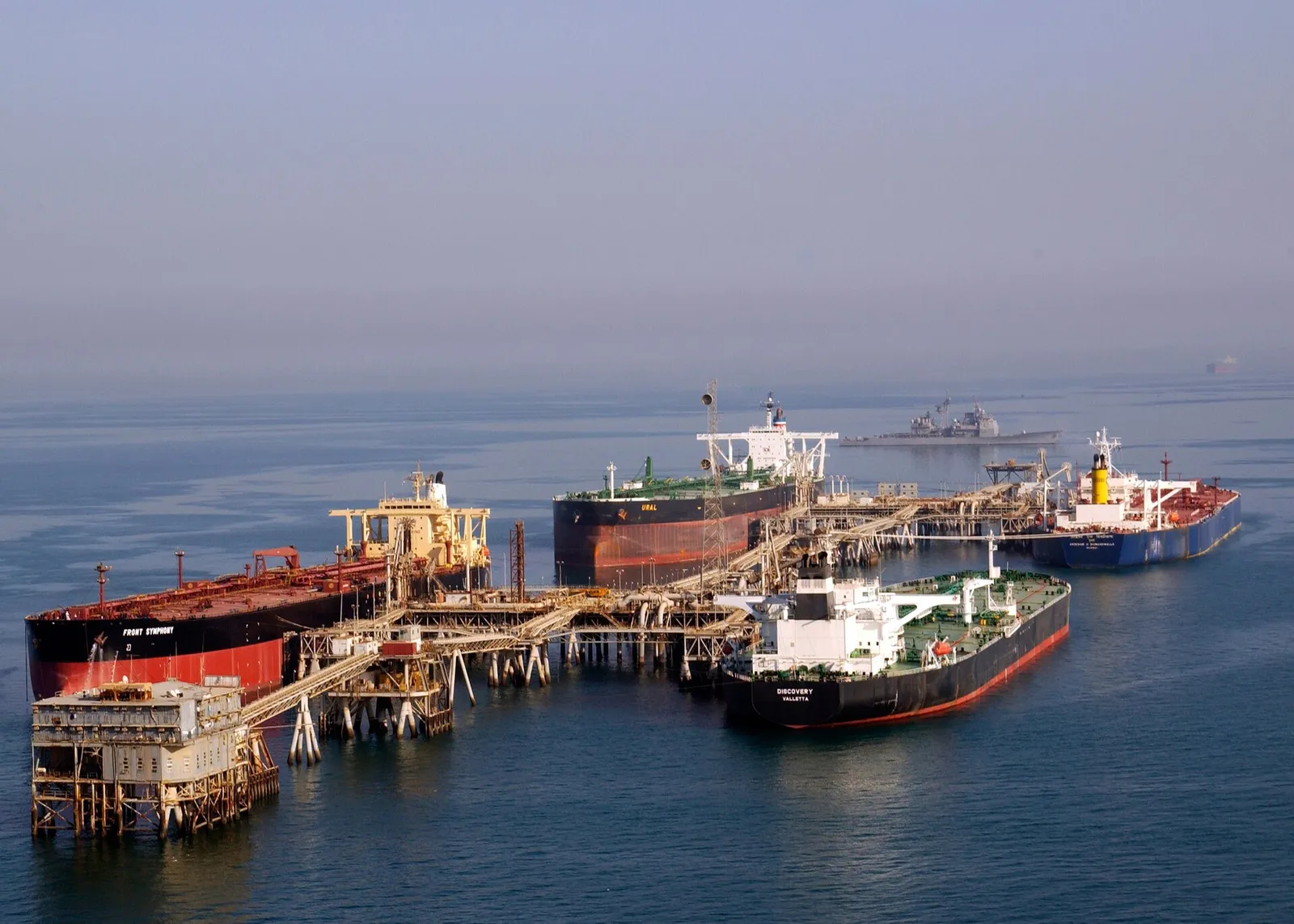
Read that carefully. It describes agreeing a third route with Oman. It does not describe reopening the strait to normal traffic on American terms. Al Jazeera notes that about 20 percent of the world's oil consumption normally ships through the Strait of Hormuz.
Why the distinction is the story
A United States announcement that talks will start is not a two-sided agreement, and a war does not end because one party says the outlines of a deal exist.
ABC7 also reports that Trump "has announced halts to strikes in Iran on several occasions" since the United States and Israel attacked Iran on February 28, "only for things to unravel and fighting to resume again." That is the relevant pattern, and it belongs next to the announcement rather than several paragraphs below it.
None of this means the talks will fail. It means that as of this writing, what exists is a stated intention on one side, a public contradiction from the other, and a separate technical negotiation with a third country.
Saudi Arabia's position
Crown Prince Mohammed bin Salman urged Trump to "prioritise dialogue to reduce escalation and the importance of making every possible effort to achieve calm that paves the way for diplomatic solutions," Al Jazeera reported.
The oil move we are not printing
Oil prices fell on the announcement. We are not putting a number on it.
The reporting carrying the specific benchmark moves, and a Chevron executive's assessment of market risk, sits behind sources that blocked us. Writing "prices plummeted" without a benchmark, a percentage and a price level is not information, it is atmosphere, and this newspaper has been burned before by numbers nobody could point at.
If we can verify the move, we will publish it.