

Let us dispose of the obvious question first. The account contains videos of marmots.
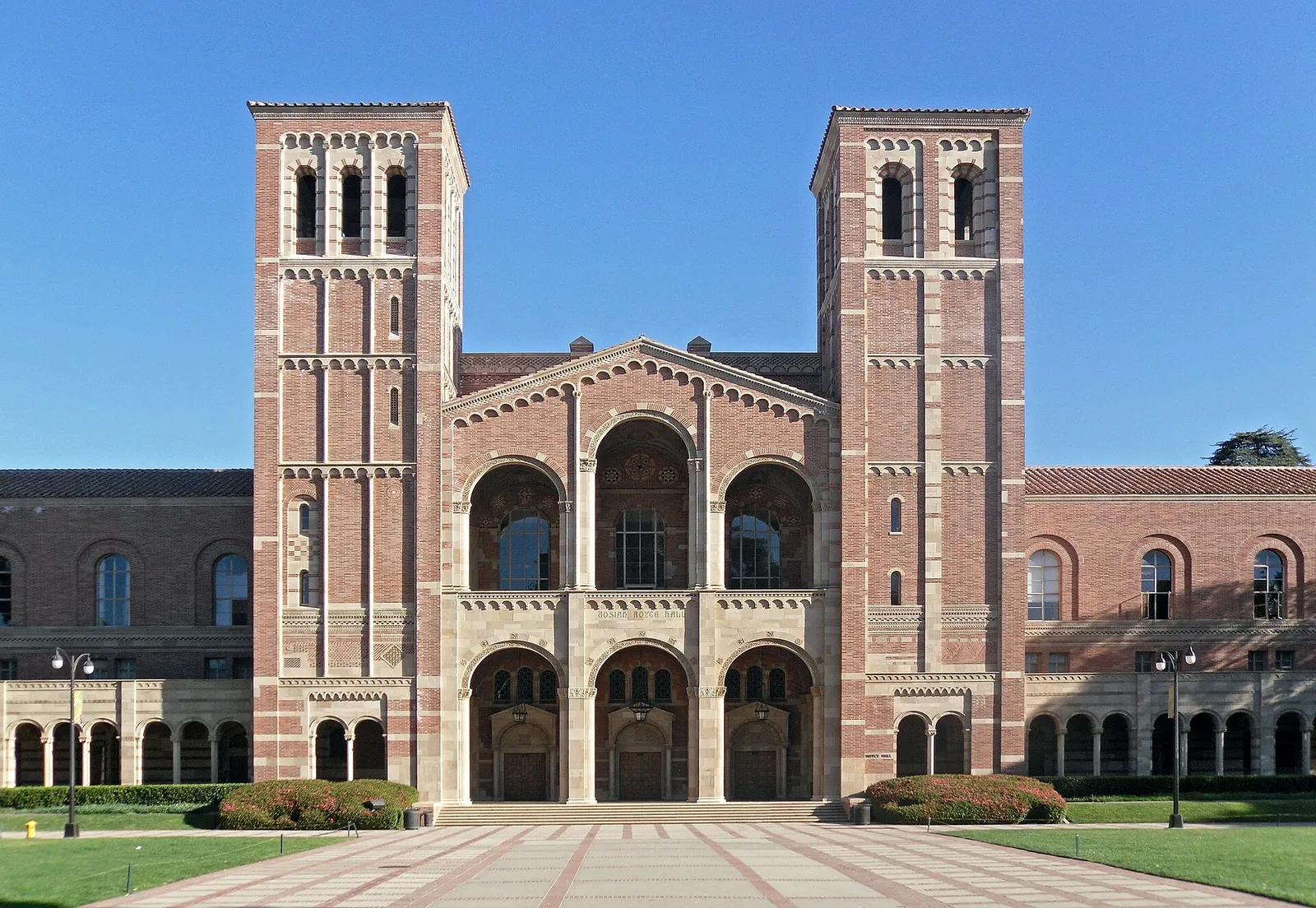
Daniel Blumstein, a professor in UCLA's Institute of the Environment and Sustainability, runs a field project that has followed yellow-bellied marmots in the Colorado mountains for roughly six decades. His team has put research footage of the animals burrowing into their nests and scurrying across rocks onto OnlyFans, under the name OnlyMarms, UCLA's own newsroom reported. Subscriptions are free. The account asks for tips.
Blumstein anticipated the question too. "It's going to be G-rated, and we're not going to sexualize this," he said.
Why they are doing it
Because federal money for the field studies has been cut, according to UCLA.
The project runs on $75,000 to $100,000 a year, Cowboy State Daily reported, and the work happens near Crested Butte, Colorado. OnlyMarms has brought in about $4,000 since June.
That is not a rescue. It is roughly two weeks of a field season, and everyone involved knows it. "People are pretty generous," Blumstein told the outlet.
Where the name came from
A meeting, apparently. "Somebody blurted out, 'OnlyMarms!'" Blumstein said. "And we said, 'Yes, OnlyMarms!'"
He is also realistic about the competitive landscape. "I'm never going to match a picture of a marmot," he said, and on whether any of this works: "We shall see. I mean, who knows?"
What is actually at stake
The part of this that is not funny is the kind of science being defunded.
A study that follows individually known animals across sixty years produces something no short grant cycle can: a record long enough to separate a bad year from a trend, to watch individuals age, to see how a population responds to a warming climate over generations rather than seasons. The data becomes more valuable the longer it runs, and a gap in it cannot be filled in later. You cannot go back to 2026 and count the marmots.
That is the argument for continuity funding, and it is the argument that stops working the moment the money stops.
What this is not
It is not a stunt about a platform, and it should not be read as one. It is a senior researcher at a major public university passing a hat, in the venue where hats now get passed, because the ordinary mechanism failed.
Blumstein described the actual work in a way that explains why the videos are worth watching and why almost nobody would fund them by choice: "I spend a lot of time in meadows, watching nothing, waiting for marmots to emerge."
That is what the money buys. Someone sitting in a meadow, for sixty years, writing down what happens.