

Two delegations, one city — and no agreement even on why they are there.
Dueling accounts
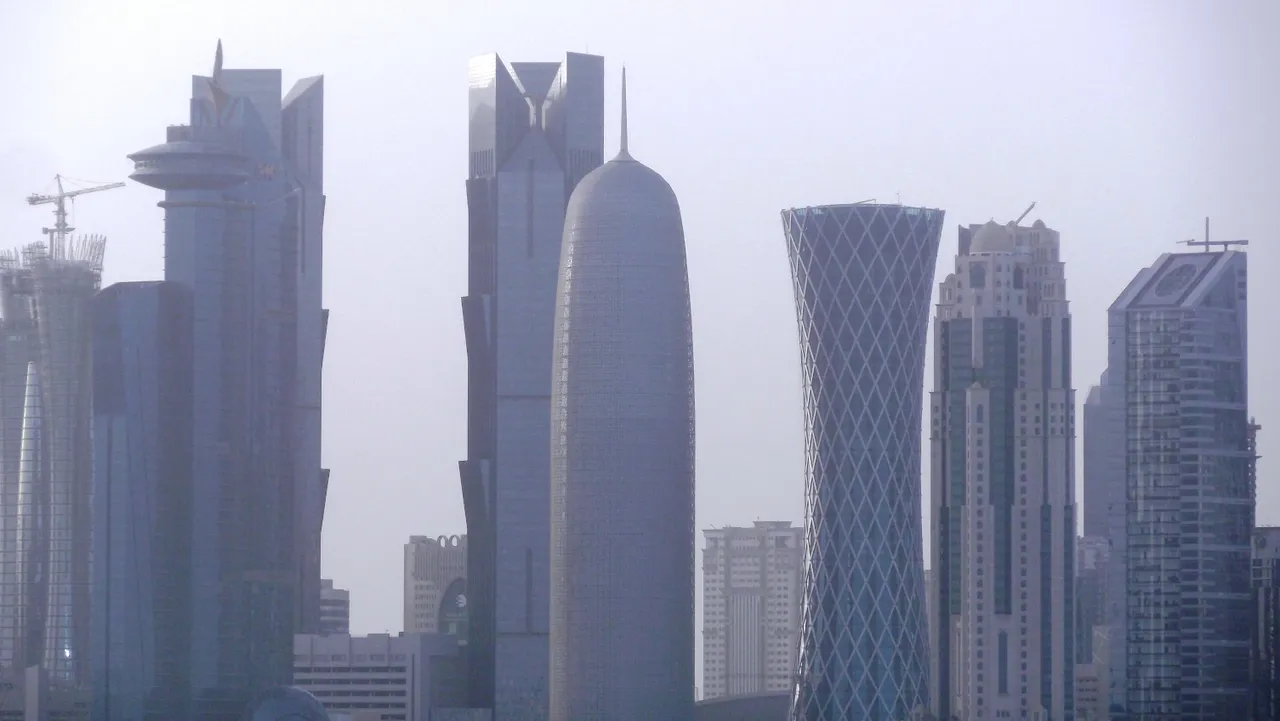
President Trump said over the weekend that the United States and Iran would hold talks in Qatar, calling the meeting "perhaps important, perhaps not." The White House said envoys Jared Kushner and Steve Witkoff were traveling to Doha for what it described as high-level meetings, The Hill reported. Tehran told a different story. Iranian Foreign Ministry spokesperson Esmaeil Baghaei said Iran was sending a technical delegation to Qatar but that its mission "has no relation" to the American visit, according to Al Jazeera. "We will not have any negotiation meetings at any level with the American side in the coming days," he said. A deputy foreign minister added that reports of working-group talks were "not confirmed."
What each side says it wants
Qatar, a principal go-between for Washington and Tehran throughout the conflict, has not publicly confirmed it is hosting any direct bilateral session; technical teams were instead expected to hold indirect consultations with Qatari mediators, the Spokesman-Review reported via the AP. A White House official said Kushner and Witkoff would continue regional dialogue on the framework now under discussion. Iran's delegation, by Baghaei's account, is focused narrowly on the financial side — the release of Iranian assets that have been frozen abroad. That gap mirrors the broader impasse: Iran prefers indirect, sequenced talks in which sanctions relief comes first, while Washington has pushed for direct engagement on Iran's nuclear program.
A fragile backdrop
The Doha standoff comes against a volatile recent history. U.S. forces struck Iran's nuclear facilities at Fordow, Natanz and Isfahan in 2025, and a ceasefire reached this spring has held only unevenly: fresh missile and drone exchanges flared near the Strait of Hormuz late last week before the two sides agreed, in the words of a U.S. official cited by Axios, to stand down for now. A joint military channel set up in Doha is meant to manage exactly those flare-ups. Trump has said Iran "must be stopped from producing a nuclear weapon" — a premise Tehran has not accepted as a starting point.
A pattern repeats
This is the second time in days the two governments have publicly contradicted each other over the basic facts of their contact. The Herald reported earlier on Trump's claim that Iran had "requested" the Doha meeting, which Tehran denied outright; the same script is now playing out again, with Washington announcing a meeting and Iran insisting there is none. Whether anything in Doha amounts to diplomacy may depend less on the delegations' public postures than on what Qatar's mediators can quietly broker in the corridors between them.