
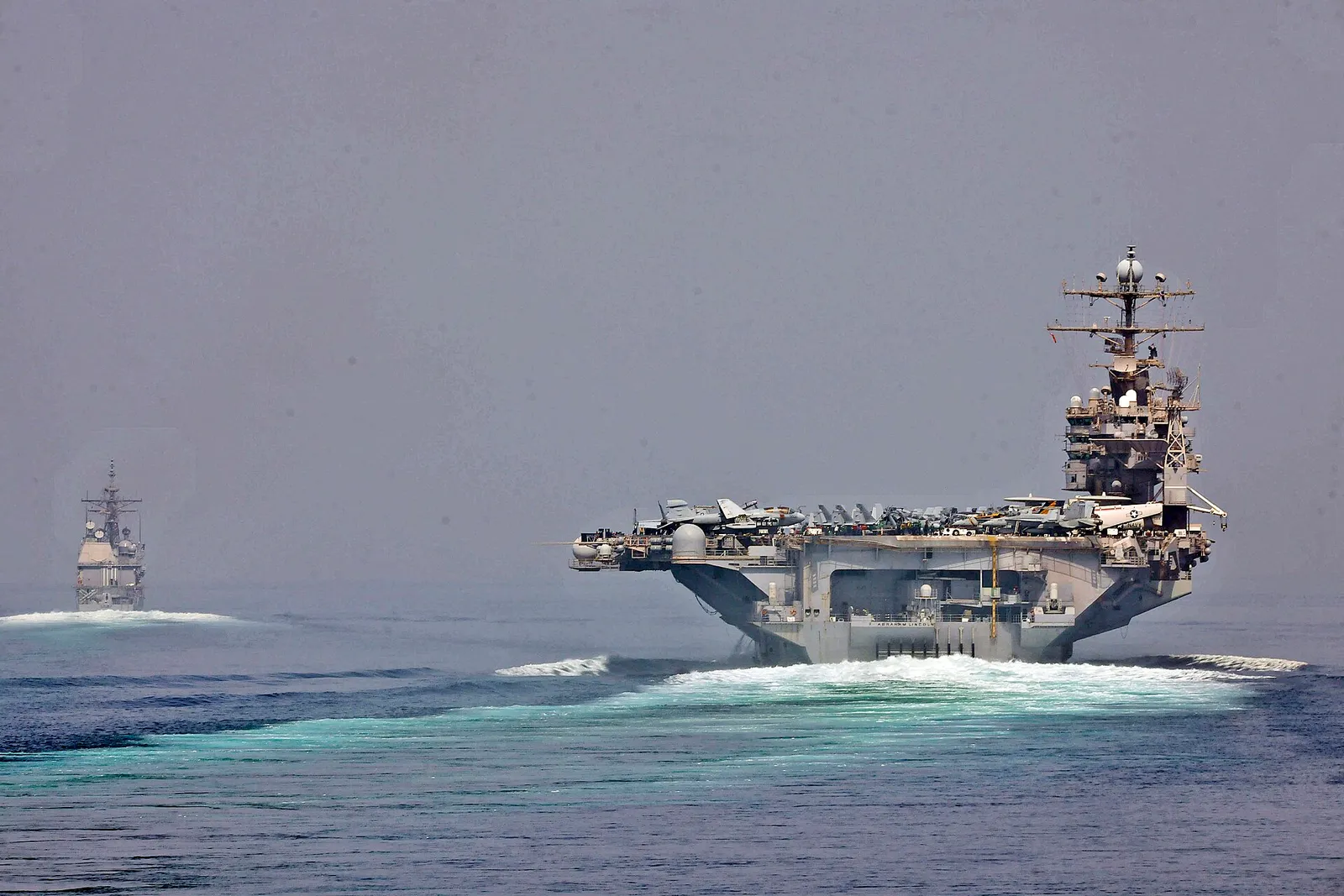
The United States struck Iranian military targets on Friday in retaliation for an Iranian drone attack on a commercial ship in the Strait of Hormuz, U.S. Central Command said, in a sharp escalation that immediately tested a ceasefire the two governments reached only days before.
The strikes hit Iranian missile and drone storage sites and coastal radar installations, according to CENTCOM. There was no confirmed information on casualties from the U.S. action as of Friday evening.
What prompted the strikes
The U.S. response followed an attack a day earlier on the M/V Ever Lovely, a Singapore-flagged container ship, as it transited the Strait of Hormuz. President Trump said Iran had fired multiple one-way attack drones at vessels in the strait, one of which struck the Ever Lovely. The ship's operator reported damage but, by the accounts available, no crew injuries.
CENTCOM cast the strikes as a defense of commercial shipping. "The unwarranted aggression against commercial shipping by Iranian forces clearly violated the ceasefire," the command said, adding that Iran's actions "undermined freedom of navigation" through what it called a vital trade corridor, as reported by CBS News.
A ceasefire under strain
The flare-up comes barely a week after Washington and Tehran agreed to halt hostilities and reopen the strait to commercial traffic. Trump described Thursday's drone attack as "a foolish violation of our Ceasefire Agreement," according to CNN, but stopped short of saying whether the episode would trigger a return to broader fighting. Asked what consequences Iran would face, he told reporters, "You'll find out."
Iranian officials disputed the U.S. framing. A senior Iranian lawmaker characterized the drone strike as a matter of managing the ceasefire rather than breaking it, and reasserted Iran's claim to authority over the waterway. Tehran had not issued a formal government response to the U.S. strikes by Friday evening.
Why the strait matters
The Strait of Hormuz is among the most strategically important waterways in the world, carrying a large share of globally traded oil. Disruptions there ripple quickly through energy markets and global shipping. After the attack on the Ever Lovely, the international body coordinating commercial-vessel escorts through the strait paused those operations, a setback for the very traffic the ceasefire was meant to restore.
For now, the central question is whether both sides treat Friday's exchange as a contained, tit-for-tat episode or the start of renewed conflict. U.S. officials framed the strikes as a measured response to a specific provocation; Iran rejected the premise that it had violated the truce. With shipping escorts suspended and the ceasefire only days old, the durability of the agreement — and the safety of the corridor — remained uncertain.
This is a developing story and will be updated as verified information becomes available.