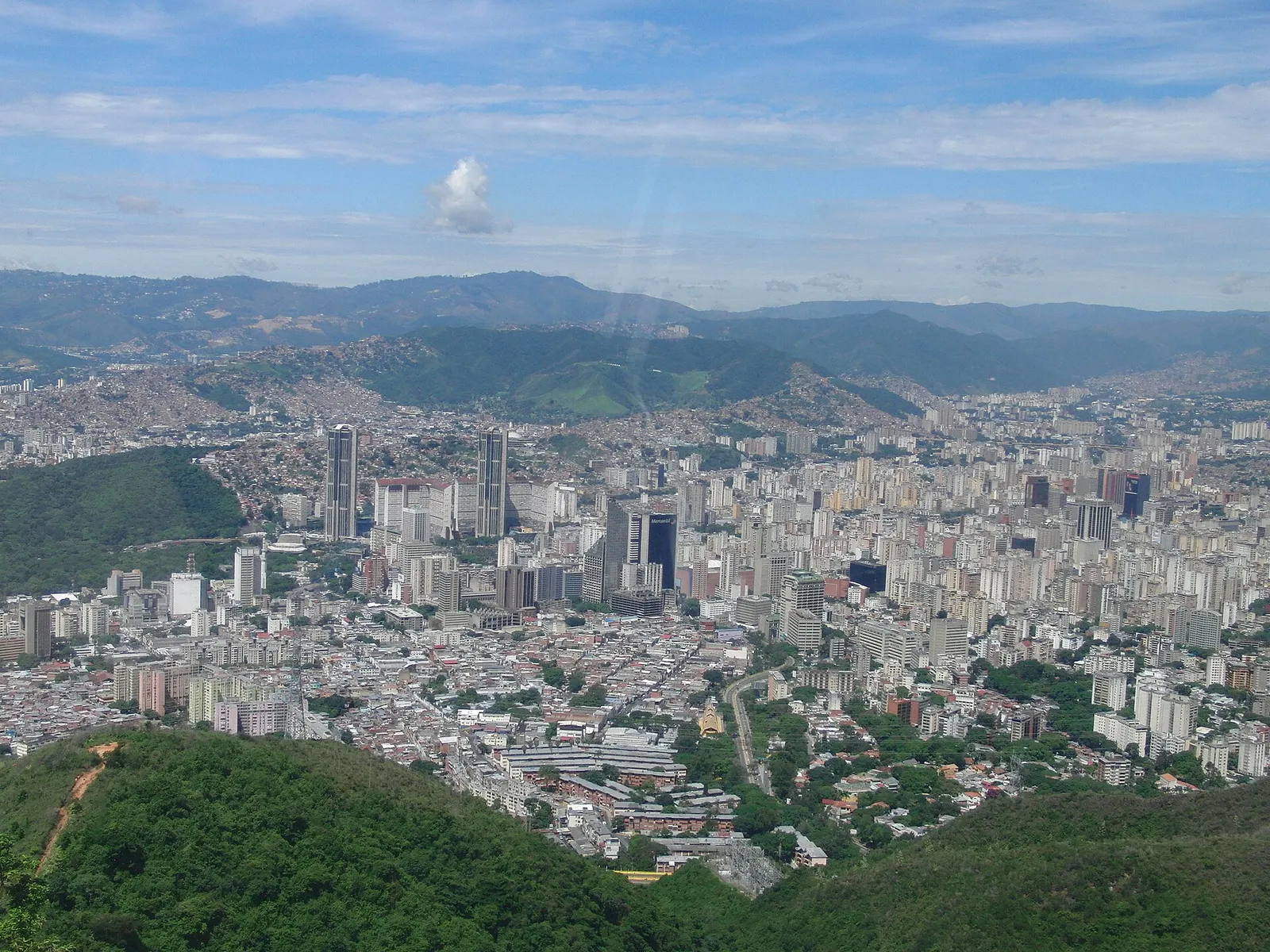
Two strong earthquakes struck northern Venezuela within about 40 seconds of each other on Wednesday evening, toppling buildings in and around the capital, Caracas, and killing hundreds of people in what is shaping up to be the country's deadliest seismic disaster in more than a century. As rescuers raced to reach survivors, a Los Angeles County search-and-rescue team joined the international response.
A devastating sequence
The U.S. Geological Survey recorded a magnitude 7.2 quake followed 39 seconds later by a stronger magnitude 7.5 shock, both along a strike-slip fault system that runs across northern Venezuela. The shaking was felt across the region and briefly prompted a tsunami advisory for Puerto Rico, the U.S. Virgin Islands and the Dominican Republic that was later lifted.
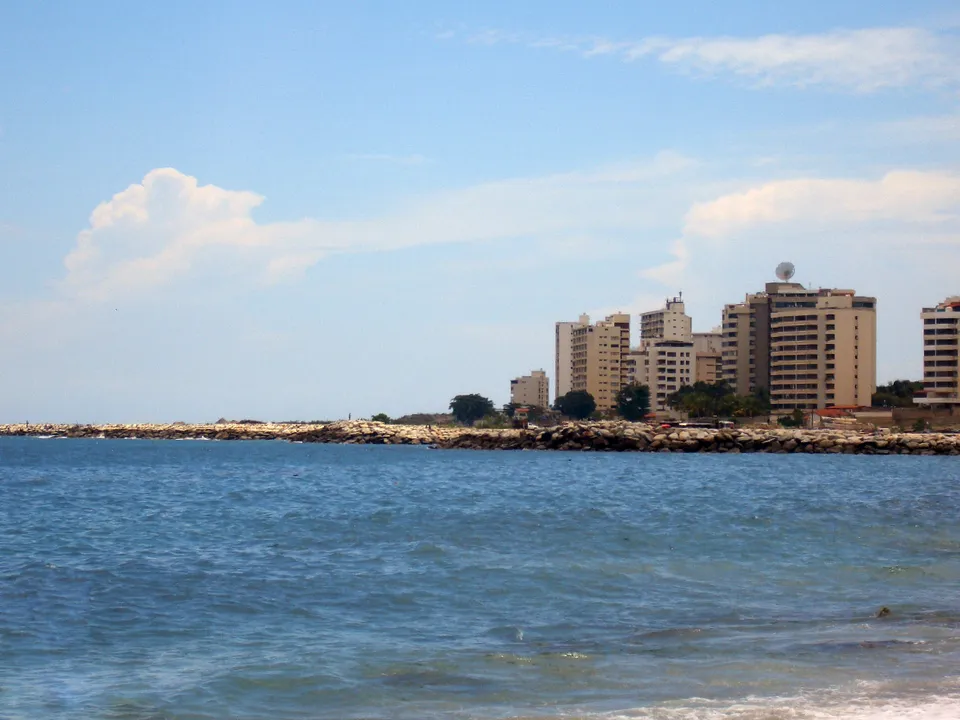
The coastal state of La Guaira and parts of Caracas suffered the heaviest damage. Residential towers collapsed, power and phone service failed across wide areas, and the capital's main international airport was temporarily closed, complicating the arrival of aid.
A rising, uncertain toll
The human cost has climbed sharply and remains in flux. Early counts described at least 188 dead and roughly 1,500 injured, but by Friday officials put the toll at at least 920 killed and more than 3,300 injured, with the count still rising as crews reached collapsed buildings. Tens of thousands of people have been reported missing or unaccounted for, though those figures are preliminary and have varied widely between sources. The numbers should be treated as provisional.
Los Angeles sends a team
The Los Angeles County Fire Department's urban search-and-rescue task force is deploying to Venezuela at the request of the U.S. government, KTLA reported. The California crew is one of two elite U.S. teams being sent — the other from Fairfax County, Virginia — both specialized in locating and extracting people trapped in collapsed structures, with search dogs, structural engineers and medical personnel among their ranks.
The window for finding survivors is narrow. Rescue specialists generally regard the first 72 hours after a building collapse as the most critical period for live recoveries, which is why teams are being rushed in even as the full scale of the disaster remains unclear.
A wider response, and old vulnerabilities
The deployments are part of a broad international effort. Mexico announced it was sending military rescuers and medical personnel, and other governments in the Americas and Europe pledged teams and aid.
Seismologists have long warned that Caracas, like Los Angeles and San Francisco, sits near a major plate boundary where infrequent but violent earthquakes are possible, and that older buildings constructed before modern seismic codes are especially vulnerable. The collapses across the Venezuelan capital are a grim illustration of that risk — and a reminder, experts say, of why earthquake-prone cities elsewhere invest in retrofitting and preparedness.