Volkswagen is heading toward a confrontation that could reshape Europe's largest automaker — and test the German model of industry that has balanced capital, labor and the state for generations.
What management is said to be weighing
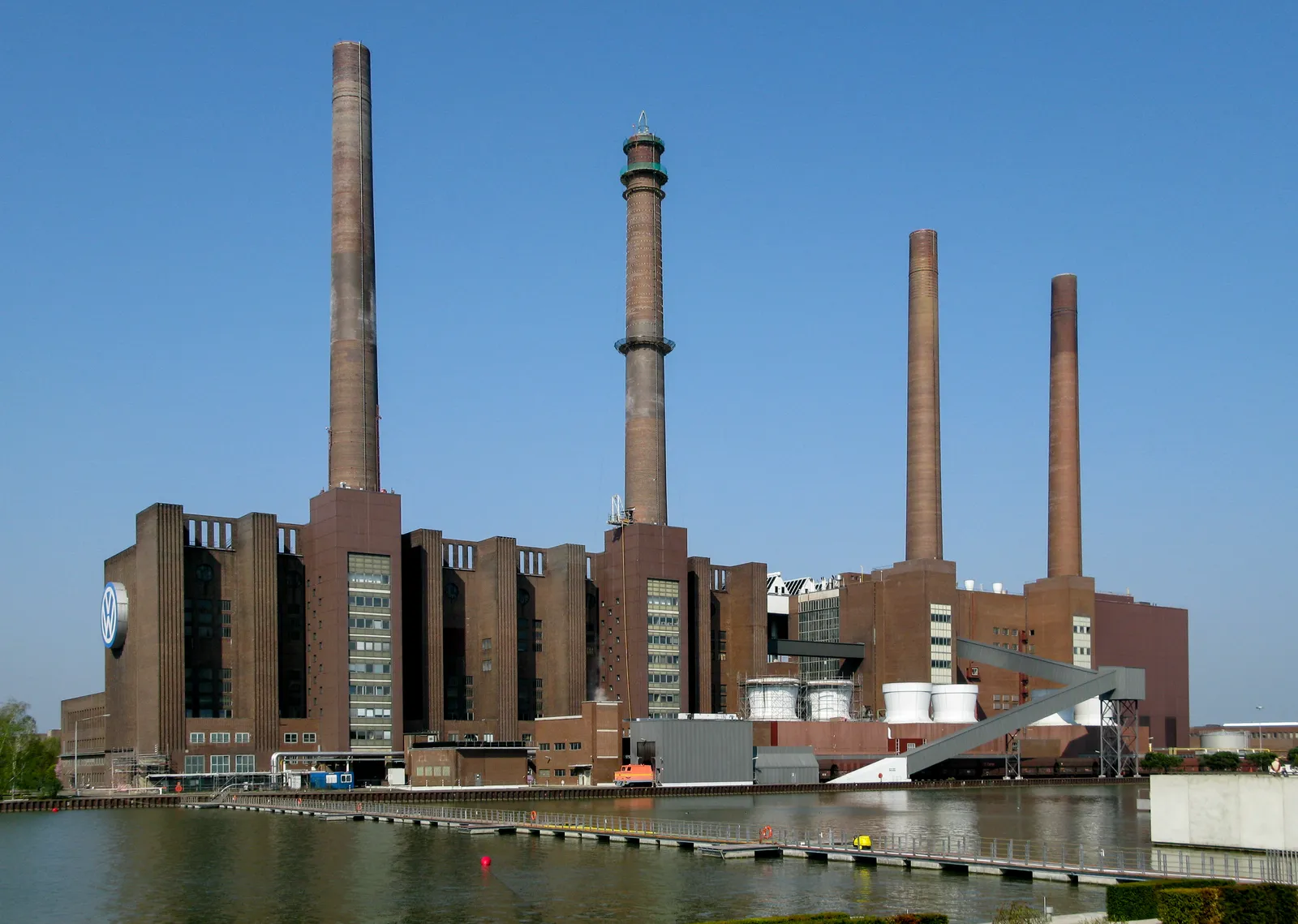
According to reporting by Reuters, carried by The Detroit News and others, Volkswagen's management is considering cutting as many as 100,000 jobs and closing four German factories as part of a sweeping overhaul. The sites said to be under review are Volkswagen-brand plants in Hanover, Zwickau and Emden and an Audi factory in Neckarsulm, which together employ more than 45,000 workers, Automotive News reported. The same reports say management has floated spinning off the core VW brand and the components business into separate units.
It is important to be precise about the status of these figures: they come from people described as familiar with the deliberations, not from an official Volkswagen announcement. The company has not confirmed the numbers, and the plan — if it exists in this form — has not been adopted. A formal discussion by the supervisory board is reported to be scheduled for July 9.
Why VW is under pressure
The pressures driving the talks are not in dispute. Volkswagen, like other European carmakers, is squeezed between a costly transition to electric vehicles, softening demand in key markets, and intensifying competition from lower-cost Chinese manufacturers, Electrek noted. U.S. tariffs and a sharp drop in sales in China have added to the strain on profits. Management has argued that the company's long-standing model — designing cars in Germany, building them in Europe and exporting worldwide — no longer covers its costs.
The reported scale would dwarf an earlier round of cuts. A hard-fought agreement with labor in late 2024 already set out to eliminate tens of thousands of jobs over the following years while, unions say, protecting against outright plant closures. A move to shut factories now would, in labor's view, tear up that bargain.
Labor's blocking power
That is why the outcome is far from management's to dictate. Under Germany's system of "co-determination," worker representatives hold half of the seats on Volkswagen's 20-member supervisory board, and the works council — long led by figures such as Daniela Cavallo — wields real influence. The state of Lower Saxony, a major shareholder, holds special rights under the so-called "Volkswagen Law," and closing a plant requires a supermajority of the board, giving labor and the state an effective veto.
Union leaders have said they will fight any such plan "with all available means." The controlling Porsche and Piëch family, through the holding company Porsche SE, commands a majority of voting rights and favors a decisive turnaround — setting up a collision between owners pressing for cuts and a workforce with the legal power to block them.
A test beyond one company
Volkswagen, founded in 1937, has weathered downturns before, but a restructuring on the reported scale would be the largest in its history and among the biggest the auto industry has seen. However the July 9 meeting unfolds, the fight is being watched as a bellwether for whether Germany's postwar industrial settlement — strong unions, state stakes and stable jobs — can survive the shift to an electric, globally contested car market.