

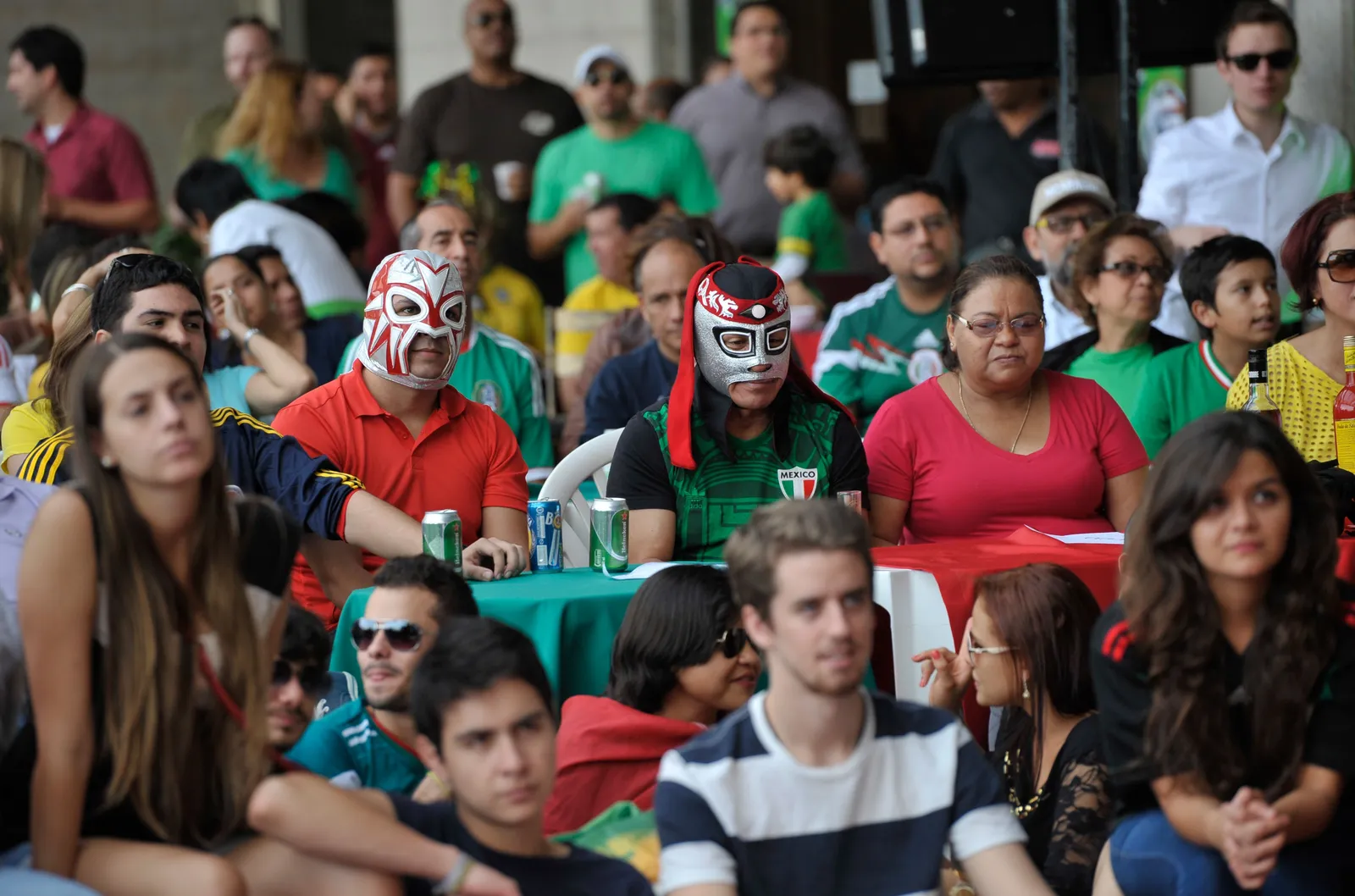
When Julián Quiñones put Mexico ahead of Ecuador on Tuesday, the roar that followed did more than fill a stadium. It moved the ground.
The goal that shook the sensors
Mexico beat Ecuador 2-0 to advance at the World Cup, with Quiñones opening the scoring and Raúl Jiménez adding a second, Yahoo Sports reported. As the goals went in, seismic-monitoring instruments around Mexico City picked up a signal. The country's SASSLA early-warning platform noted that Quiñones's goal "was just recorded on several seismographs," and that the "outburst of euphoria and mass cheering" had "produced vibrations in the local area."
Not an earthquake — a crowd
Seismologists were quick to head off any alarm: this was not a tectonic earthquake. As the monitoring service Sismo Alerta Mexicana explained, the shaking came from "the rapid vibration of people jumping at the same time and their collective thud against the ground," generating short surface waves that sensitive instruments easily detect. Modern seismographs are precise enough to register footsteps nearby, ScienceAlert noted, so a crowd leaping in unison produces an unmistakable trace that fades the moment the celebration does.
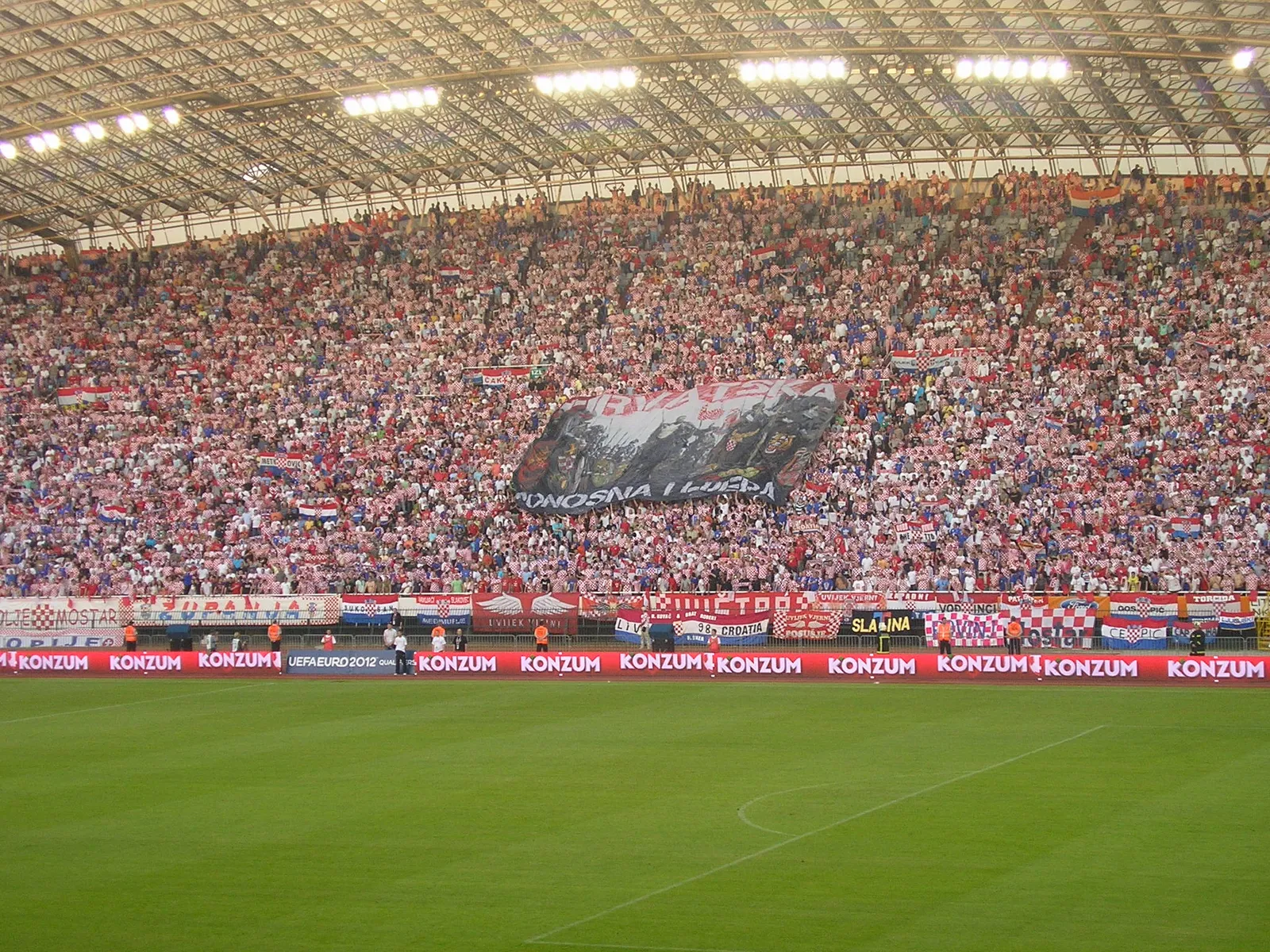
The phenomenon is not unheard of. Fans at football matches and concerts elsewhere have set off similar readings, and researchers have occasionally used stadium "quakes" to study how crowds move together, beIN Sports reported. What set Mexico City apart was the scale of the reaction: nearly a million people spilled into the streets, according to the reporting.
Celebrations that turned deadly
The night was not only joyful. Amid the crush of street celebrations in Mexico City, at least three people died, according to early accounts cited in the reporting, with the figures still preliminary and unconfirmed. It was a grim echo of the risks that accompany mass gatherings, and a reminder — as authorities in host cities prepare for many more over the coming month — that crowd safety is its own challenge.
An LA connection
The result carries a particular charge in Southern California. Los Angeles is home to one of the largest Mexican and Mexican-American communities in the world and is among the host cities for the 2026 World Cup, and the energy that registered on Mexico City's seismographs is the same that fills bars, living rooms and plazas across the region on match days. When Mexico plays, Los Angeles feels it too — if not, this time, on the seismometers.