A scan that checks your whole body for hidden cancers before you feel a thing sounds like an easy call. Increasingly it is being sold as one, and doctors want to slow that down, ABC7 reports.
What is being sold
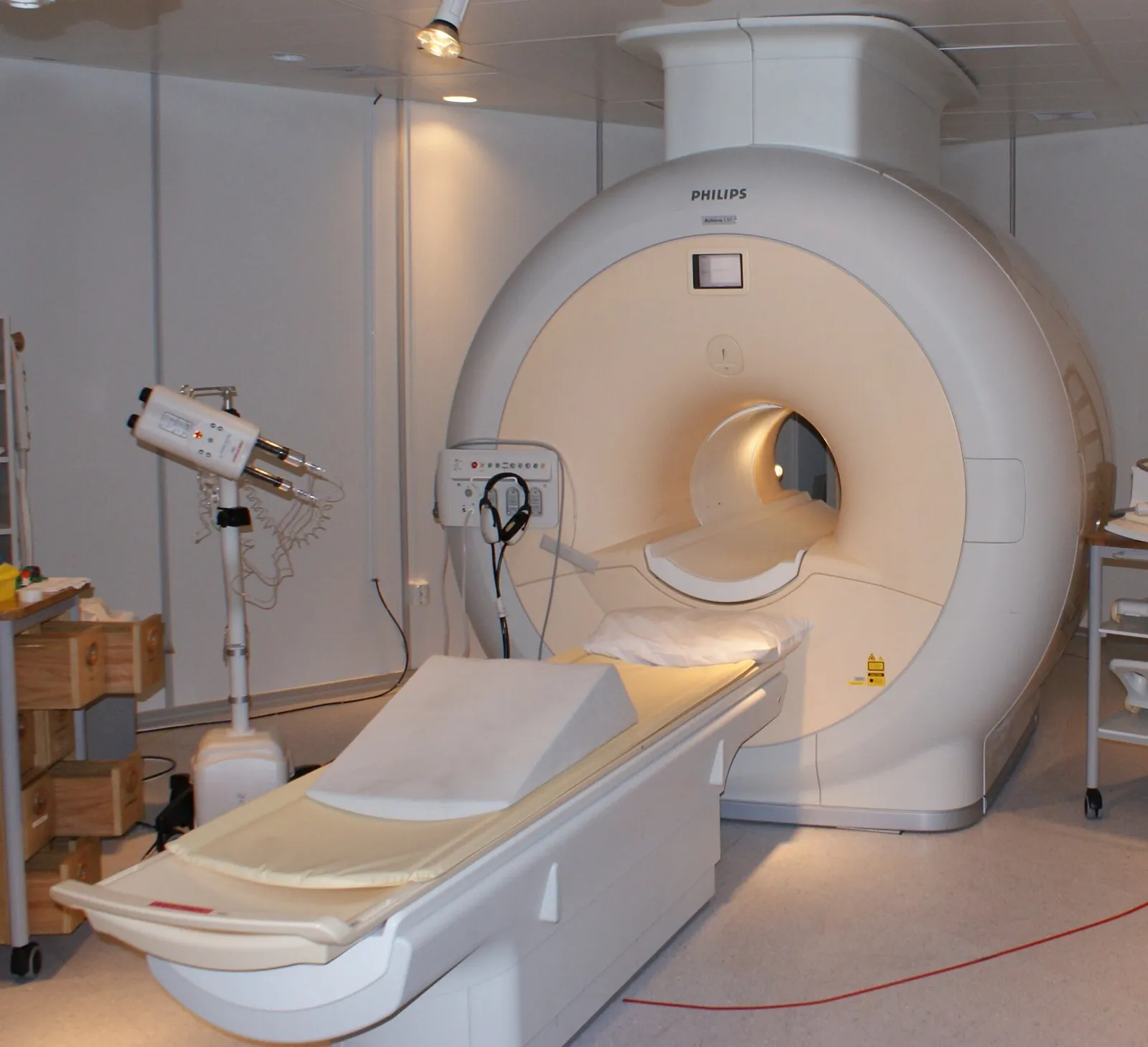
Elective whole-body MRI screening uses magnetic resonance imaging to scan a healthy person head to toe, looking for tumors and other problems before any symptoms appear. Companies such as Prenuvo offer the scans directly to consumers, and interest has been driven hard by social media, where influencers post their results and frame the scan as the responsible, proactive thing to do.
It is not cheap, and it is not usually covered. A single scan runs about $1,500 to $4,000, and insurance rarely pays, because for a person with no symptoms and no specific risk it is not a recommended medical test. That is the first thing to understand: this is an out-of-pocket consumer product, marketed to the health-conscious, not a screening your doctor is likely to order.
Why most doctors say wait
The case against routine whole-body scans is not that MRI is dangerous. It is that finding something is not the same as finding something useful, and a scan of a healthy body tends to find a lot.
"The classic downside is finding something that ultimately turns out to be nothing," said Dr. Robert Krasny of RadNet in Santa Monica. The industry's own numbers bear that out: Prenuvo's chief medical officer, Dan Durand, says roughly 1 in 5 patients gets a finding that requires follow-up. Most of those follow-ups, more imaging, biopsies, specialist visits, end with the news that the spot was harmless all along, after weeks of worry and cost.
The deeper problem is overdiagnosis, the detection and treatment of things that would never have hurt you. The article cites a Journal of the American Medical Association editorial describing ovarian cancer screening in which the screened group had the same mortality as the unscreened group, yet more than 1,000 women underwent unnecessary surgery. A test that does not extend life but does lead to operations is not a neutral choice.
The honest version of the pitch
None of this means MRI is useless, or that early detection is a myth. For people with symptoms, a family history, or a known genetic risk, imaging ordered by a physician is genuinely valuable. The dispute is specifically about scanning healthy, average-risk people with no particular reason, which is the market these direct-to-consumer services are built on. Major medical organizations advise against elective whole-body MRI for that group precisely because it has not been shown to help people live longer.
Krasny's advice is the practical takeaway: "a good conversation with your primary referring physician is warranted" before paying for a scan. The question to bring to that conversation is not whether the scan can find something, because it can. It is what happens if it does, and whether that is likely to help you or just alarm you. For most healthy people, the answer is the reason their doctor is not already sending them.
The Herald reports this as the consumer-health story it is: a fast-growing, heavily marketed service that sounds unarguable, and that the medical mainstream, for reasons worth understanding, mostly recommends against.