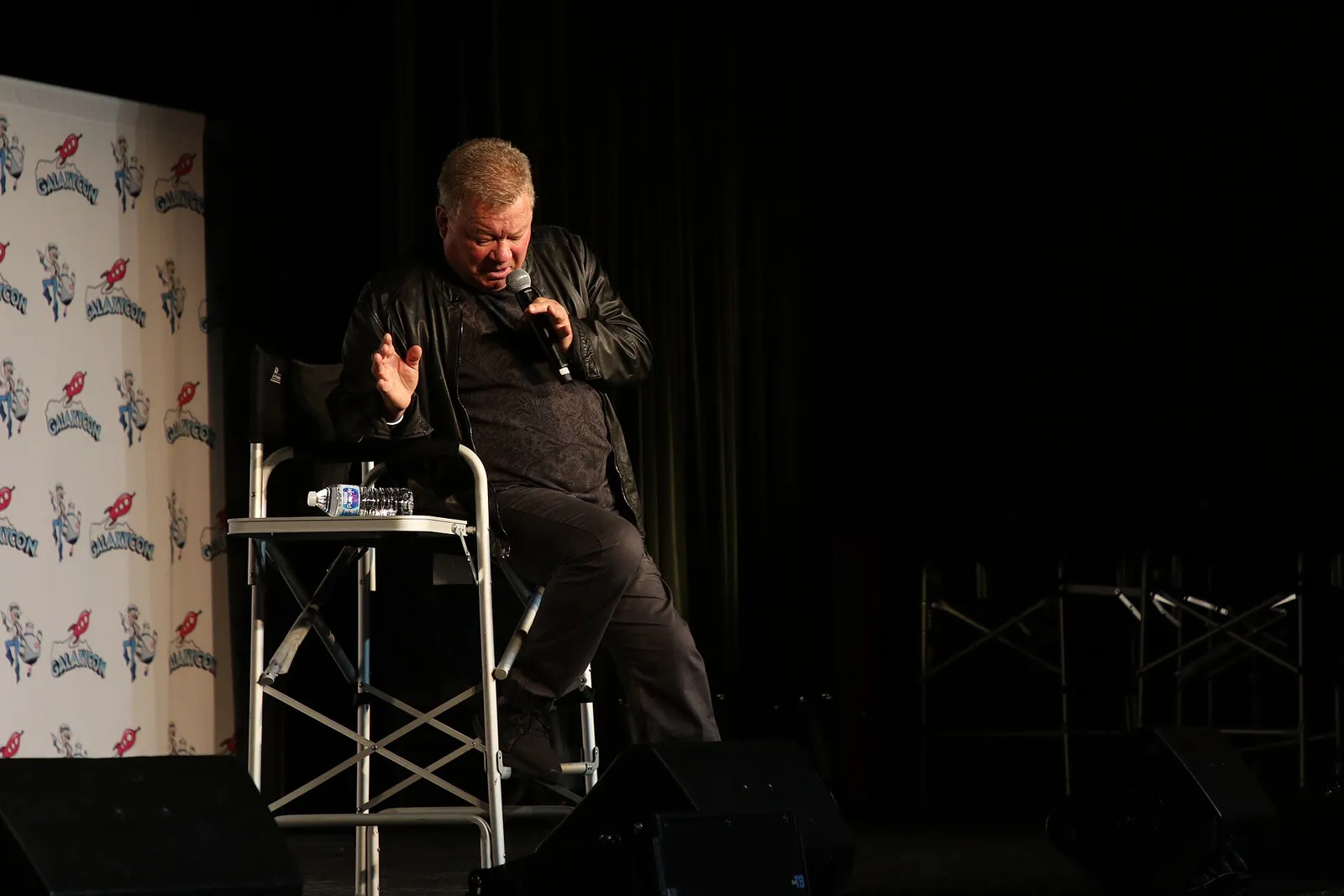
William Shatner and his daughter Melanie Shatner Gretsch have disclosed that they were each diagnosed with Stage 4 cancer about a year apart, and that both are now in remission, ABC7 reports, citing an interview the pair gave to People magazine.
What they disclosed
Melanie was diagnosed first, with Stage 4 breast cancer in 2022, at age 60, after finding a lump. Roughly a year later, her father was found to have Stage 4 melanoma. Shatner, now 95, said doctors moved fast. "I went to an oncologist," he recalled, "and they operated almost immediately with Stage 4 melanoma."
Both say they currently show no evidence of disease, the clinical phrase for cancer that is no longer detectable, though it is not a guarantee against recurrence. That distinction matters, and they did not overstate it: no evidence of disease is very good news, and it is not the same as a permanent all-clear.
Facing it together
What gives the disclosure its shape is the overlap. A parent and an adult child receiving the same stage of diagnosis within about a year of each other is a particular kind of hard, and the two have chosen to make something public out of it rather than keep it private.
Melanie described her father's characteristic response to his own diagnosis: "His response was like, 'I'm gonna be fine.'" It is an answer in keeping with the public Shatner, and, whatever else it is, it appears to have been borne out so far.
The two have launched a podcast, "No Time, But Now," reflecting on mortality and on finding joy after cancer. Shatner, by his account, came out of the experience with a sharpened appreciation for ordinary things, the birds, the sunrise, the plain fact of the day.
Why we are running it plainly
Celebrity health news invites a certain breathlessness, and this item does not need it. Shatner is one of the most recognizable figures American television has produced, and a Stage 4 diagnosis at his age, disclosed in his own words alongside his daughter's, is a genuine human-interest story worth telling straight.
We are telling it the way they told it: two people, the same grave diagnosis a year apart, both now without detectable disease, choosing to talk about it. The useful and hopeful fact at the center is that a Stage 4 diagnosis, for both of them, has so far not been the end of the story.